
Introduction
Chocolate has long occupied a distinctive place in food culture. It can be presented as a simple snack, a premium confection, a gift, or an ingredient in more elaborate desserts. Its familiar flavour, smooth texture and flexible presentation have also made chocolate an appealing base for products that incorporate less conventional ingredients. Mushroom chocolate sits within this broader trend, bringing fungi into a format that many consumers already recognise.
The idea is particularly interesting because mushrooms and chocolate belong to very different culinary traditions. Mushrooms are commonly associated with savoury dishes, dried ingredients and natural food products, while chocolate is strongly linked with sweetness and confectionery. Combining the two requires careful formulation and clear communication. The appearance of the finished product can also shape expectations, which makes packaging, labelling and ingredient information important parts of the overall product experience.
Why Chocolate Is an Appealing Product Format
Chocolate offers several practical qualities that make it suitable for formulated products. It is portable, familiar and easy to divide into defined pieces. A chocolate bar can also accommodate different flavours, textures and additional ingredients without requiring consumers to learn an entirely new product format.
Flavour compatibility is another consideration. Cocoa has a deep, slightly bitter character that can work alongside ingredients with earthy, nutty or botanical notes. Sweeteners, vanilla, fruit flavours, nuts and other confectionery ingredients can further influence the overall profile. In a mushroom chocolate product, the chocolate base may therefore serve both a structural and sensory purpose.
Texture is equally important. A well-made chocolate product is expected to have a particular appearance, firmness and mouthfeel. Factors such as cocoa content, fat composition, added ingredients and manufacturing conditions can affect these characteristics. The result is a product where the confectionery component is not simply an outer coating, but an important part of how the product is perceived.
Presentation also matters. A neatly divided bar, clearly labelled package and consistent visual design can make a specialised product easier to understand. At the same time, attractive presentation should not substitute for useful product information. The wrapper may establish the product category, but the ingredient list and description provide the more meaningful details.
What Goes Into a Mushroom Chocolate Product?
At its simplest, mushroom chocolate combines a chocolate base with a mushroom-derived ingredient. However, formulations can differ considerably depending on the product and its intended characteristics. The chocolate itself may contain cocoa solids, cocoa butter, sugar, milk ingredients or plant-based alternatives, along with emulsifiers and flavourings.
The mushroom component can take several forms. Some products may contain powdered mushroom material, while others may use a mushroom-derived extract or another processed ingredient. The distinction is important because these materials are not interchangeable descriptions. A product containing whole mushroom powder has a different formulation from one using a concentrated extract.
Additional ingredients can shape the final product. Flavourings may be included to complement the cocoa, while ingredients such as fruit, caramel, nuts or crisped components can change the texture and taste. Some formulations may also be designed around dietary preferences, such as vegan or dairy-free chocolate.
For that reason, a product name alone rarely provides a complete picture. Ingredient lists and product descriptions are more useful when determining what a particular mushroom chocolate actually contains. They can also reveal allergens, sweeteners, flavouring agents and other components that may not be obvious from the front of the package.
Whole Mushroom Material Versus Extracts
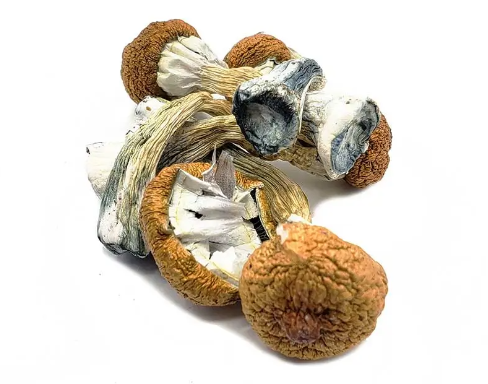
One of the most important distinctions in mushroom chocolate is whether the formulation uses whole mushroom material or an extract. Whole mushroom material generally refers to mushroom tissue that has been dried and processed into a powder or similar ingredient. An extract, by comparison, is produced by processing mushroom material to obtain selected compounds or components.
These approaches can produce very different formulations. The physical characteristics of the ingredient, its concentration, processing history and role within the chocolate can all influence the final product. Natural mushroom material may also contain a wider range of components than a specifically prepared extract.
This is why consumers researching these mushroom products through a Canadian online retailer such as Shrooms Direct may find it useful to examine the product description rather than relying only on the product name. Shrooms Direct presents a broader catalogue of mushroom-related formats, including dried mushrooms, chocolates, capsules and other edibles. Looking at the stated format and ingredients helps distinguish a chocolate product from other categories within a larger online collection.
Clear terminology becomes particularly valuable when several products use similar words in their names. Terms such as mushroom powder, mushroom extract and mushroom-infused chocolate can describe different formulations. A careful product description should make those distinctions understandable without relying on vague promotional language.
Packaging and Labelling Challenges
Mushroom chocolate combines the visual language of confectionery with an ingredient category that may require more careful explanation. This creates a packaging challenge. A colourful wrapper can make a product look similar to an ordinary chocolate bar, but the information provided alongside that presentation needs to communicate what makes the product different.
Several elements are especially useful when assessing packaging and labels:
- Ingredient transparency: A clear ingredient list allows the reader to identify the chocolate base, mushroom component, flavourings and other ingredients. It also makes it easier to identify common allergens and dietary considerations before evaluating the product further.
- Product identification: The package should clearly state what type of mushroom chocolate it contains and distinguish it from ordinary confectionery. Clear naming reduces confusion when several edible formats are displayed together.
- Quantity and specifications: Weight, number of pieces and other relevant specifications provide useful context. Consistent information also makes it easier to compare products without relying on appearance or marketing language.
- Manufacturer or supplier information: Identifying the responsible business or producer gives the product a clearer point of reference. This is particularly useful when questions arise about ingredients, formulation or product documentation.
- Relevant warnings and regulatory information: Where applicable, packaging should provide information required by the relevant jurisdiction. Consumers should not assume that a confectionery-style presentation means a product is subject to the same rules as ordinary chocolate.
Good labelling therefore has a role beyond compliance. It helps prevent misunderstandings and allows consumers to make comparisons based on information rather than packaging alone.
How to Evaluate Mushroom Chocolate Without Judging the Wrapper
The appearance of a chocolate bar can be appealing, but visual presentation tells only part of the story. A more useful evaluation begins with the information attached to the product. Ingredient lists, descriptions and manufacturer details can provide a clearer understanding of what has actually been formulated.
Ingredient order can be informative because ingredients are generally listed according to applicable labelling requirements. A detailed description may also identify whether the mushroom component is a powder, extract or another preparation. Where multiple flavours are available, checking each variant is worthwhile because formulations can change between versions.
Manufacturer information is another useful reference point. A product with clear sourcing and formulation information is easier to assess than one that relies almost entirely on broad claims. Consistency in packaging and descriptions can also indicate that a retailer has taken care with its catalogue information.
Product condition matters as well. Chocolate is sensitive to temperature and environmental conditions, and changes in storage or transit can affect its appearance and texture. Bloom, for example, can appear when cocoa butter or sugar crystallises on the surface. Although it may change the look of a chocolate product, appearance alone does not explain why the change occurred.
A balanced evaluation therefore considers the complete product description, ingredients, packaging and available specifications. This approach is more reliable than judging quality from the wrapper, product name or photographs alone.
The Future of Mushroom-Based Confectionery
Mushroom chocolate sits at the intersection of food design, ingredient innovation and changing consumer expectations. As specialised food-style products continue to develop, clearer formulation and communication will become increasingly important.
Several developments are likely to shape the category:
- Greater formulation variety: Producers can experiment with different chocolate bases, flavours, textures and mushroom-derived ingredients. This may lead to more distinct products rather than minor variations of the same concept.
- More detailed product information: Consumers increasingly expect ingredient lists, allergen information, product specifications and clear descriptions. Better information can make specialised products easier to compare.
- Stronger emphasis on responsible communication: Mushroom-related products can attract attention through unusual positioning, but responsible descriptions should distinguish factual product information from claims that cannot be substantiated.
- More refined confectionery presentation: As mushroom chocolate develops as a product category, packaging may become more sophisticated while still needing to communicate the nature of the ingredients clearly.
- Greater attention to formulation transparency: Clear distinctions between whole mushroom material, powders and extracts can help readers understand what a product contains without depending on assumptions based on its name.
The future of mushroom-based confectionery will therefore depend on more than novelty. Good formulation, consistent quality, accurate labelling and responsible communication can all contribute to a stronger consumer experience.
Conclusion
Mushroom chocolate illustrates how familiar confectionery formats can be adapted to incorporate unconventional ingredients. Chocolate provides a recognisable base with flexible flavour and texture possibilities, while mushroom-derived ingredients introduce a different layer of formulation and product identity.
For readers evaluating mushroom chocolate, the most useful approach is to look beyond the wrapper. Ingredient lists, product descriptions, manufacturer information, specifications and applicable regulatory details provide a much clearer basis for understanding a product. The distinction between whole mushroom material and extracts is particularly important because similar-sounding products can have very different formulations.
As the category continues to evolve, thoughtful product design and transparent communication will remain central. Mushroom chocolate may have a distinctive place in modern confectionery, but its credibility ultimately depends on how clearly the product communicates what is actually inside.
