
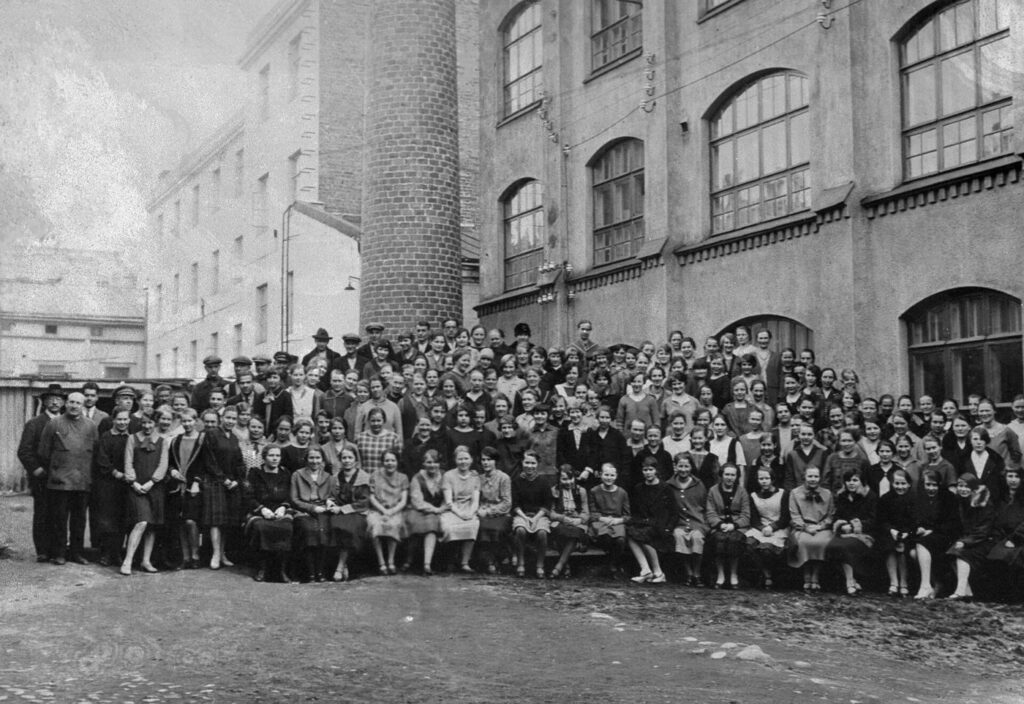
In the 1920s, researchers at the Hawthorne Works, a Western Electric factory outside Chicago, set out to find whether brighter lighting made workers more productive. They raised the lights, and output rose. They dimmed the lights, and output rose again. Confused, they changed rest breaks, working hours and pay, and almost every change seemed to help. The researchers concluded that it was not the lighting or the breaks that mattered, but the attention itself: the workers knew they were being studied, and that knowledge changed their behaviour. The pattern became known as the Hawthorne effect, and it remains one of the most quoted findings in the study of work.
What the Evidence Shows
Later scholars argued that the original studies were messier than the legend suggests, with small samples, no proper control groups and results that may have reflected other changes, such as fear of losing jobs during the Depression. Some have even questioned whether the Hawthorne effect exists at all in the form usually described. Yet the idea behind it has proved hard to kill: people behave differently when they know they are being watched, whether they are factory workers, hospital patients in a trial, or pupils in a classroom. The lesson for researchers is that the act of studying people changes them, and any experiment that ignores that fact risks measuring the attention rather than the treatment. Reporting and analysis from sources such as British Psychological Society track the same developments, and specialists following the Hawthorne effect say the direction is now consistent across independent lines of evidence.
The Wider Context
Practitioners working with the Hawthorne effect emphasise fit over fashion. A technique that transforms one person’s routine can be useless or worse for another, and assessment, what problem, whose life, what constraints, is what separates professional guidance from the generic advice that floods social feeds. The research increasingly studies that matching process itself.
What Happens Next
For readers, the balanced conclusion on the Hawthorne effect is that small, well-matched changes beat dramatic overhauls, and that any technique deserves a fair trial of a few weeks before judgement. The studies support patience with the process and scepticism toward promises. That combination, unglamorous as it sounds, is what the evidence actually recommends. You can follow related developments in our coverage of psychology.
It is also worth remembering how quickly the picture in this area has changed before. Positions that looked settled a few years ago have been revised as new data arrived, and the same humility is appropriate now. The strongest coverage of this subject, and the most useful advice, tends to come from sources that update their views openly when the facts move, rather than defending an earlier position long after it has stopped fitting the evidence available.
