
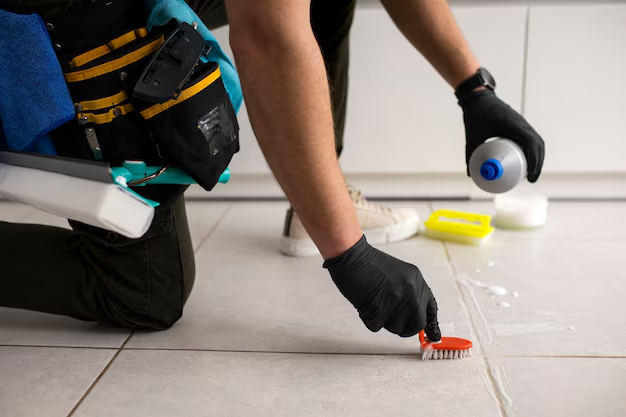
Tiles are often chosen for their durability, easy maintenance and attractive finish. However, even well-maintained tiled floors and walls can lose their appeal when the grout between them becomes dark, stained or discoloured. Grout absorbs moisture and can trap dirt, soap residue and everyday grime, making it harder to maintain a fresh appearance through ordinary mopping. A professional tile grout cleaning service can help address stubborn build-up and restore the appearance of tiled surfaces without unnecessary replacement.
Grout is generally more porous than the tiles surrounding it. This means dirt can settle into its surface over time, particularly in kitchens, bathrooms, laundries and other areas exposed to moisture. Regular maintenance helps, but accumulated staining may require more specialised cleaning techniques.
Why Grout Changes Colour Over Time
Fresh grout usually has a consistent appearance that complements the surrounding tiles. Daily use gradually changes its colour as dirt, moisture and cleaning residue settle into the joints.
Several factors contribute to grout discolouration:
- Foot traffic: Shoes carry dust, soil and outdoor debris into tiled areas.
- Cooking residue: Grease and food splashes can accumulate around kitchen tiles.
- Bathroom moisture: Water and soap deposits may leave marks along shower grout lines.
- Cleaning product residue: Excessive product use can leave deposits that attract additional dirt.
- Poor ventilation: Lingering moisture can contribute to mould and mildew growth in suitable conditions.
- Infrequent maintenance: Dirt becomes harder to remove when it remains embedded for extended periods.
Grout colour can also change because of age, wear or deterioration. Identifying the cause helps determine whether cleaning, sealing or repair is the appropriate response.
Different Rooms Have Different Grout Problems
Not every tiled area experiences the same type of dirt. The location of the tiles, frequency of use and exposure to moisture all influence how grout should be maintained.
Kitchen Floors and Splashbacks
Kitchen grout is frequently exposed to cooking oil, food particles, spills and everyday foot traffic. Areas surrounding stovetops, sinks and food preparation spaces can develop stubborn marks.
Regularly wiping splashbacks and cleaning floors helps prevent residue from accumulating. A suitable cleaning product should be selected according to the tile and grout manufacturer’s recommendations.
Particular attention should be given to grout beneath kitchen appliances and around cupboards, as these areas are often missed during routine cleaning.
Bathroom Tiles and Shower Areas
Bathrooms present different challenges because grout is regularly exposed to water, shampoo, soap and humidity.
Shower corners, floor joints and areas around drains can develop discolouration over time. Persistent moisture may also encourage mould growth, especially where ventilation is inadequate.
Helpful bathroom maintenance practices include:
- Rinsing away soap residue after showering.
- Using an appropriate squeegee on shower screens and tiled walls.
- Drying wet surfaces where practical.
- Running exhaust fans during and after showers.
- Checking grout lines for cracks and deterioration.
- Addressing leaks and persistent dampness promptly.
Cleaning alone may not resolve mould caused by an ongoing moisture problem. Damaged grout or water penetration may require professional assessment.
Laundry Areas and Entryways
Laundry floors can collect detergent residue, lint and moisture from washing activities. Entryways experience a different combination of dirt, sand and debris brought inside on footwear.
Placing suitable mats near entrances and cleaning tiled floors regularly can reduce the amount of dirt reaching grout joints.
Why Ordinary Mopping May Not Remove Stubborn Grout Stains
Mopping is useful for removing loose dirt and maintaining tiled surfaces, but it may not address grime embedded within porous grout.
A mop can also spread dirty water across the floor if the cleaning water is not changed regularly. Using excessive detergent may leave a film that gradually attracts more dust.
Grout requires a cleaning method appropriate to its condition and composition. Aggressive scrubbing or harsh chemicals can damage grout, affect sealants or discolour certain tile finishes.
A careful cleaning process generally involves identifying the surface material, selecting a suitable cleaning solution and testing it in an inconspicuous area before treating the entire surface.
Practical Ways to Keep Grout Looking Cleaner
Regular maintenance reduces the effort required to deal with stubborn stains later. Homeowners can adopt a few simple habits to protect tiled surfaces.
Consider these practices:
- Sweep or vacuum tiled floors to remove loose dirt before mopping.
- Use cleaning products specifically approved for the tile and grout material.
- Avoid leaving standing water on tiled surfaces.
- Clean spills promptly, particularly oils and coloured liquids.
- Use soft brushes rather than abrasive tools.
- Rinse away cleaning residue according to product instructions.
- Maintain adequate ventilation in bathrooms and laundries.
- Inspect grout periodically for cracks, gaps and loose sections.
These habits help maintain the appearance of grout, although heavily stained or damaged joints may need more attention than routine household cleaning can provide.
Professional Cleaning for Heavily Stained Grout
Some grout stains remain visible despite repeated household cleaning. This can happen when dirt has penetrated deeper into the grout or when residue has accumulated over a long period.
Professional cleaners can assess the tiled surface and determine an appropriate cleaning method. Depending on the material and condition, the process may involve specialised cleaning solutions, controlled agitation and suitable extraction equipment.
Vantique Cleaners understands the attention required to maintain tiled areas in residential properties. Professional assistance can help address stubborn grout discolouration and improve the appearance of kitchens, bathrooms and other tiled spaces.
Before arranging professional cleaning, consider the following:
- Grout condition: Check for cracks, missing sections or loose material.
- Tile material: Natural stone, ceramic and porcelain may require different treatment.
- Stain type: Grease, soap residue and mould can require different cleaning approaches.
- Previous treatments: Inform the cleaning professional about sealants or chemicals previously applied.
- Surface sensitivity: Discuss any concerns about delicate finishes or older grout.
Professional cleaning should focus on removing suitable surface contamination without compromising the condition of the surrounding materials.
Should Grout Be Sealed After Cleaning?
Grout sealing can help reduce the absorption of moisture and certain types of staining. However, not every grout product requires the same treatment, and some materials may already have protective properties.
Before applying a sealant, the grout generally needs to be properly cleaned and completely dry. Applying a product over damp or contaminated grout can affect the result.
A few considerations can help determine whether sealing is appropriate:
- Check the grout manufacturer’s recommendations.
- Confirm that the existing grout is in suitable condition.
- Choose a compatible sealant for the specific grout type.
- Follow the recommended drying and application instructions.
- Allow the required curing time before exposing the surface to moisture.
Sealing does not make grout completely stain-proof. Regular cleaning and attention to spills remain necessary.
Give Your Tiled Surfaces a Better Finish
Grout may occupy only a small portion of a tiled surface, but its condition can influence the appearance of an entire room. Dark joints, stubborn stains and moisture-related discolouration can make otherwise attractive tiles look poorly maintained. Contact us to discuss suitable grout cleaning assistance and find an approach that matches your tiled surfaces and cleaning requirements.
A little routine care, combined with appropriate professional attention when needed, can help preserve the appearance of tiled floors and walls. Looking after grout also gives homeowners an opportunity to identify damaged joints early, before minor maintenance concerns develop into more expensive repairs.
