
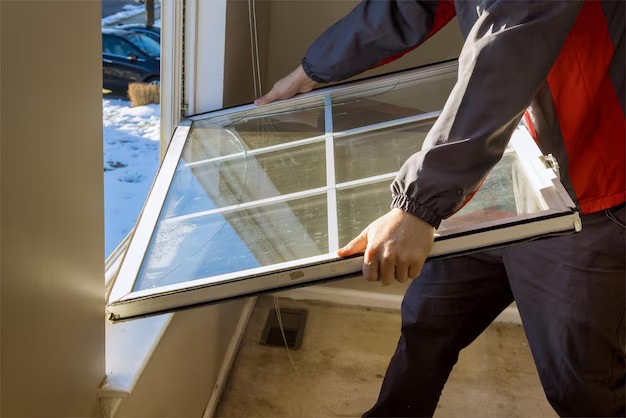
Windows influence far more than the appearance of a building. They affect indoor temperatures, natural lighting, ventilation, noise levels, and overall energy performance. In commercial properties, ageing or damaged windows can create persistent maintenance concerns, increase heating and cooling demands, and make indoor spaces less comfortable. Choosing suitable window replacement services can help property owners address these problems while improving the functionality and appearance of their buildings.
A well-planned window upgrade requires attention to the building’s structure, existing glazing, frame condition, and intended use. Offices, retail premises, residential complexes, and industrial facilities each have different requirements. Selecting appropriate materials and installation methods helps ensure that new windows perform reliably under everyday conditions.
Ageing Windows Can Affect the Entire Building
Windows experience continuous exposure to sunlight, temperature changes, moisture, wind, and general environmental wear. Over time, these conditions can weaken frames, damage seals, and reduce the insulating properties of glazing.
Some problems develop gradually and may initially appear minor. However, recurring condensation, uncomfortable indoor temperatures, and difficulty operating windows can indicate that existing installations need attention.
Common warning signs include:
- Persistent draughts: Air entering through damaged seals or poorly fitted frames can affect indoor comfort.
- Condensation between glass panes: Moisture trapped inside double-glazed units often indicates a failed seal.
- Visible frame deterioration: Rotting timber, corroded metal, or cracked frames can compromise window performance.
- Difficulty opening or closing: Warped frames, damaged hinges, and worn hardware can affect safe operation.
- Increasing outside noise: Deteriorating seals or unsuitable glazing may reduce sound insulation.
- Water infiltration: Leaks around window openings can damage surrounding walls, finishes, and internal fittings.
A professional assessment helps determine whether repairs are sufficient or complete replacement would provide a more dependable result.
Selecting Window Materials for Different Building Requirements
Window material affects durability, insulation, maintenance demands, and visual appearance. Property managers should consider the building’s location, architectural design, exposure to weather, and expected maintenance requirements before making a selection.
Aluminium Frames
Aluminium windows are frequently used in commercial buildings because of their strength and slim frame profiles. Their structural properties allow larger glazed sections, making them suitable for offices, retail premises, and contemporary developments.
Additional advantages include:
- Resistance to warping and many forms of environmental deterioration.
- Relatively low routine maintenance requirements.
- Compatibility with different glazing configurations.
- Availability in various finishes and frame designs.
Thermally broken aluminium frames can also help reduce heat transfer through the frame itself.
uPVC Windows
uPVC is a common option for properties where insulation and straightforward maintenance are priorities. These frames do not require regular painting and are available in several styles.
They can offer:
- Good thermal insulation when properly specified.
- Resistance to moisture and corrosion.
- Simple cleaning requirements.
- Compatibility with double and triple glazing.
Frame quality, reinforcement, hardware, and installation standards should all be considered before selecting a product.
Timber Windows
Timber frames complement traditional architecture and can provide good insulating properties. They are particularly suitable for properties where maintaining an established architectural appearance is essential.
However, timber requires appropriate protective treatments and periodic inspections to prevent moisture-related deterioration.
Glazing Choices Influence Indoor Comfort
The glass selected for a window installation affects heat transfer, daylight levels, sound insulation, and safety. The right specification depends on the building’s intended use and surrounding environment.
Double glazing consists of two glass panes separated by an insulating cavity. This arrangement helps reduce heat transfer and can improve indoor temperature stability.
Triple glazing adds another pane and insulating cavity. It may provide additional thermal and acoustic benefits, although its suitability depends on the building design, climate, and project requirements.
Other glazing options include:
- Low-emissivity glass: Helps control heat transfer while allowing natural light to enter.
- Laminated glass: Contains an interlayer that holds glass fragments together if the glass breaks.
- Tempered glass: Designed to break into smaller, less dangerous pieces than ordinary annealed glass.
- Acoustic glazing: Uses specialised glass configurations to reduce the transmission of external noise.
- Solar-control glass: Helps limit unwanted solar heat gain in buildings exposed to strong sunlight.
A suitable glazing specification should balance energy performance, visibility, safety, and the amount of daylight required inside the property.
Installation Quality Determines Long-Term Performance
Even well-manufactured windows can develop problems if installation is handled incorrectly. Poor measurements, inadequate sealing, and unsuitable fixing methods may lead to draughts, water penetration, and difficulties operating the windows.
A professional installation generally involves several stages:
- Initial inspection: Assess existing frames, surrounding walls, openings, and potential structural concerns.
- Accurate measurements: Record opening dimensions and identify any irregularities that could affect fitting.
- Product selection: Match frame materials, glazing, and hardware to the building’s requirements.
- Careful removal: Remove existing units while protecting nearby surfaces and structural elements.
- Frame installation: Position and secure new frames according to manufacturer specifications.
- Sealing and insulation: Apply suitable materials around the perimeter to limit air and water infiltration.
- Final testing: Check opening mechanisms, locks, alignment, drainage, and overall installation quality.
Facility managers should also confirm that the work complies with applicable building regulations, safety requirements, and manufacturer guidelines.
Planning Window Upgrades Across Commercial Properties
Large buildings may contain dozens or hundreds of windows, making replacement a significant facilities management project. Completing every installation at once may interfere with daily activities, particularly in occupied offices, healthcare facilities, educational buildings, and retail environments.
A phased replacement programme can make the work easier to coordinate. Priority should be given to windows with structural deterioration, water leaks, safety concerns, or substantial performance problems.
Facility Network supports businesses with property and facilities management requirements, where coordinating building upkeep and specialist maintenance activities can help maintain organised operations.
Before approving a large-scale project, facility managers should consider:
- Building occupancy: Identify areas where installation work could disrupt employees, visitors, or customers.
- Access requirements: Establish safe access arrangements for ground-level and elevated installations.
- Weather conditions: Schedule external work with suitable protection against rain and strong winds.
- Safety arrangements: Plan for temporary barriers, restricted access, and safe handling of removed glass.
- Waste disposal: Arrange appropriate removal and disposal of old frames, glazing, and installation materials.
- Documentation: Retain product specifications, warranties, inspection records, and installation details.
Clear coordination between contractors and building management teams helps minimise disruption and keeps responsibilities defined throughout the project.
Maintenance Practices That Protect New Installations
Replacement does not eliminate the need for ongoing care. Regular inspections help preserve window performance and identify minor issues before they require more extensive repairs.
Property maintenance teams should pay attention to the following areas:
- Clean glass and frames using products recommended by the manufacturer.
- Inspect external seals for cracking, separation, or deterioration.
- Check hinges, handles, locks, and other moving components.
- Clear drainage channels and weep holes to prevent water accumulation.
- Examine surrounding walls for signs of dampness or water penetration.
- Address loose hardware and damaged fittings promptly.
The inspection frequency should reflect the window material, building exposure, usage levels, and manufacturer’s recommendations.
Making Informed Decisions About Building Improvements
Window upgrades should be treated as part of the property’s wider maintenance and improvement programme. A building assessment can reveal whether existing problems stem from deteriorating frames, unsuitable glazing, poor installation, or wider structural conditions.
Property owners and facility managers can contact us today to discuss their building maintenance requirements and plan suitable improvement work. Reviewing window condition, selecting appropriate materials, and coordinating installation carefully can help create more comfortable indoor environments while supporting the long-term upkeep of commercial properties.
