
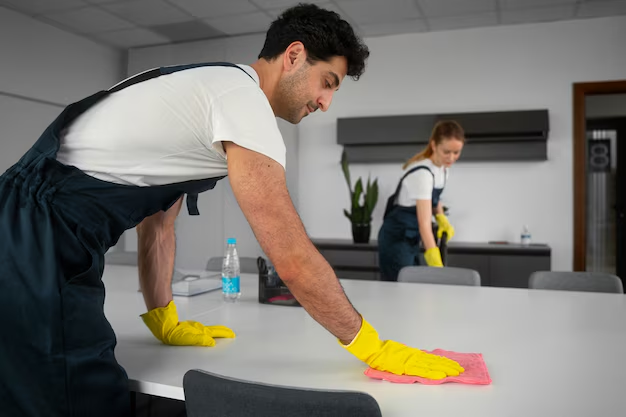
A home can appear tidy while dust, grease, bacteria, and accumulated residue remain hidden in places that receive little attention during routine cleaning. Kitchen appliances, bathroom grout, upholstery, air vents, and spaces beneath furniture often collect dirt gradually. Regular sweeping and surface wiping help maintain everyday cleanliness, but certain areas require more detailed attention. Homeowners who need help addressing these neglected spaces may consider professional deep cleaning services to tackle stubborn buildup and restore cleanliness across different parts of their properties.
Deep cleaning involves more than making rooms look presentable. It focuses on areas that are difficult to reach, surfaces that require specialised care, and materials that can deteriorate when dirt remains untreated. Understanding where hidden dirt accumulates can help households establish better maintenance habits and determine when a more thorough cleaning session is necessary.
The Places That Regular Household Cleaning Often Misses
Daily cleaning usually focuses on visible surfaces, including countertops, floors, sinks, and furniture. However, dirt can settle in less noticeable locations and remain there for extended periods.
Some commonly overlooked areas include:
- Behind large appliances: Refrigerators, washing machines, and ovens can trap dust, food particles, and debris along their sides and underneath.
- Inside kitchen cabinets: Crumbs, spills, and grease may collect in corners, shelves, and drawer runners.
- Window tracks: Outdoor dust, moisture, and small particles can accumulate inside narrow window channels.
- Underneath furniture: Sofas, beds, and cupboards can conceal dust and pet hair that regular vacuuming does not reach.
- Light fixtures and ceiling fans: Dust gradually settles on blades, shades, and overhead fittings.
- Door handles and switches: Frequently touched surfaces can accumulate fingerprints, oils, and everyday grime.
These areas deserve attention during periodic cleaning sessions. Addressing them helps prevent dirt from spreading to other parts of the home.
Kitchen Grease Requires More Than a Quick Wipe
Cooking produces airborne grease that can settle on nearby cabinets, extractor fans, backsplashes, and appliance surfaces. Over time, this residue attracts dust and forms a sticky layer that becomes increasingly difficult to remove.
A thorough kitchen cleaning session should address areas beyond the countertop.
- Extractor fans and filters: These components collect grease during cooking. Filters should be cleaned according to the manufacturer’s instructions to maintain proper airflow.
- Oven interiors: Food spills and grease can become baked onto oven surfaces. Suitable cleaning products and appropriate techniques help loosen stubborn residue without damaging protective coatings.
- Refrigerator shelves: Spilled liquids and food particles should be removed from shelves, drawers, and accessible compartments. Check food storage areas regularly for expired items.
- Cabinet handles and edges: These locations receive frequent contact and can develop visible grease marks.
- Grout between tiles: Kitchen grout can absorb dirt and discolour over time. A suitable tile cleaner and soft brush can help remove accumulated residue.
Cleaning products should always match the surface being treated. Abrasive tools may scratch delicate finishes, while unsuitable chemicals can damage certain countertop materials.
Bathrooms Need Special Attention to Moisture and Grout
Bathrooms experience repeated exposure to water, steam, soap, and personal care products. These conditions can encourage mineral deposits, soap scum, and mould growth, particularly in poorly ventilated spaces.
A deeper bathroom cleaning session should include:
- Scrubbing grout lines between floor and wall tiles.
- Removing soap residue from shower screens and bathtub surfaces.
- Cleaning taps, showerheads, and other bathroom fixtures.
- Washing the areas behind and around toilets.
- Removing accumulated dust from exhaust fans and accessible vents.
- Cleaning cabinet interiors and bathroom storage shelves.
- Checking silicone seals around showers, sinks, and bathtubs.
Grout and silicone seals require particular care because damaged or deteriorating materials can allow moisture to penetrate surrounding surfaces. Persistent mould or water damage may require specialist treatment rather than ordinary household cleaning.
Allowing bathrooms to dry properly after use also reduces moisture accumulation. Exhaust fans, open doors, and regularly washed bath mats can support better bathroom maintenance.
Upholstery and Carpets Hold More Dirt Than Their Appearance Suggests
Soft furnishings receive regular contact from household members, visitors, and pets. Their fibres can trap dust, hair, food crumbs, and other particles that are not always visible from the surface.
Carpets and upholstered furniture need cleaning methods suited to their materials. Excessive moisture or unsuitable chemicals can cause staining, colour changes, and unpleasant odours.
Households can maintain these surfaces through several practices:
- Vacuum carpets regularly, paying attention to corners and furniture edges.
- Rotate removable cushions to distribute everyday wear.
- Follow fabric care labels before applying stain removers.
- Clean spills promptly using suitable blotting techniques.
- Wash removable cushion covers according to manufacturer instructions.
- Move lightweight furniture periodically to clean underneath it.
- Arrange appropriate carpet or upholstery cleaning when dirt becomes embedded.
Pet owners may need additional attention to areas where animals sleep or spend considerable time. Regular removal of pet hair can also prevent it from accumulating along skirting boards and beneath furniture.
Why Cleaning Methods Should Match Different Household Materials
Not every household surface responds well to the same cleaning technique. A method that works on ceramic tiles may damage hardwood flooring or natural stone. Selecting suitable products and equipment helps protect the appearance and condition of household materials.
Consider these basic material-care practices:
- Hardwood: Avoid soaking wooden floors. Use a cleaner recommended for the specific floor finish.
- Marble and natural stone: Avoid acidic products that can cause surface etching.
- Stainless steel: Use soft cloths and suitable cleaners to minimise scratches and streaking.
- Glass: Apply an appropriate glass cleaner and use a lint-free cloth.
- Leather furniture: Follow the manufacturer’s care instructions and avoid harsh household detergents.
- Ceramic surfaces: Use compatible cleaning products to remove grime without damaging grout.
Klarra recognises that different properties and household surfaces require appropriate cleaning attention. Understanding the materials present in a home helps determine which cleaning methods are suitable and which areas may need additional care.
Preparing a Property for a Thorough Cleaning Session
Preparation can make a detailed cleaning appointment more organised and productive. Clearing unnecessary clutter allows cleaning professionals to access surfaces that might otherwise remain obstructed.
Homeowners can prepare their properties through a few simple steps:
- Remove loose belongings: Put away clothing, toys, documents, and personal items from surfaces that need cleaning.
- Identify problem areas: Point out stubborn stains, grease deposits, neglected corners, or areas requiring additional attention.
- Secure valuable belongings: Store jewellery, important documents, and fragile personal items safely.
- Discuss material sensitivities: Mention delicate flooring, natural stone, special finishes, or other surfaces requiring specific products.
- Arrange access: Make sure the cleaning team can reach the rooms and areas included in the appointment.
- Communicate priorities: Explain which spaces need the most attention so the cleaning work can be organised accordingly.
These preparations reduce interruptions and help establish clear expectations about the work involved.
A Cleaner Property Begins With Attention to the Details
The condition of a home depends partly on the areas that receive attention beyond everyday tidying. Dust behind appliances, residue inside cabinets, neglected grout, and dirt embedded in fabrics can gradually affect the cleanliness of living spaces. Recognising these problem areas helps homeowners decide when routine maintenance is sufficient and when additional cleaning support may be useful. To know about us and learn more about available cleaning options, explore Klarra’s services and contact the team to discuss your property’s requirements. Giving overlooked spaces proper attention can make household maintenance easier and help preserve the condition of frequently used surfaces.
