
Introduction
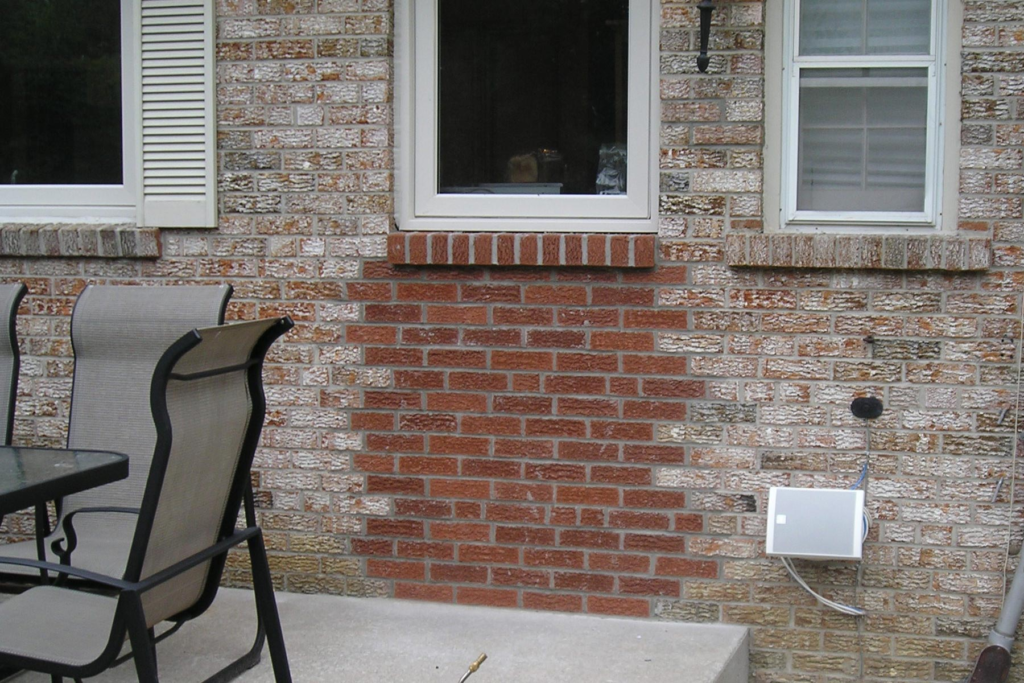
Exterior brick staining has become one of the most popular ways to refresh the look of homes in 2026. Homeowners are looking for long-lasting, breathable, and natural-looking finishes that enhance curb appeal without hiding the original texture of brick. Unlike paint, exterior brick staining works by penetrating the surface rather than coating it, which helps maintain the integrity of the brick while improving its appearance.
When planning a home improvement project, cost is always one of the biggest concerns. The price of exterior brick staining can vary widely depending on home size, brick condition, labor rates, and the type of stain used. Some homeowners may spend a few thousand dollars, while larger or more complex homes can require a significantly higher investment. Understanding what drives these costs can help you make smarter decisions and avoid unnecessary expenses.
This guide explains everything you need to know about exterior brick staining costs in 2026, including pricing factors, material choices, labor considerations, and value comparisons. It is designed to help you plan your project with confidence and understand where your money goes.
What Influences Exterior Brick Staining Costs in 2026
The cost of exterior brick staining depends on several important factors, and each one can significantly impact the final price. One of the biggest influences is the size of the surface area. Larger homes naturally require more stain, more labor time, and more preparation work, which increases the total cost. A small single-story home will generally cost far less than a multi-story property with complex architectural details.
Another major factor is the condition of the brick. If the brick surface is clean, stable, and free of damage, the staining process is faster and more affordable. However, if there are cracks, mold, efflorescence, or previous coatings, additional preparation work is required. This prep stage can involve pressure washing, chemical cleaning, or minor repairs, all of which add to the cost.
The type of stain used also plays a key role in pricing. High-quality mineral-based stains tend to cost more than basic acrylic options, but they also last longer and provide a more natural finish. Many homeowners choose premium products because they offer better durability and color retention over time, especially in harsh weather conditions.
Labor rates in your region can also influence the total cost of exterior brick staining. In areas with higher living costs, professional contractors typically charge more per square foot. Skilled applicators with experience in masonry surfaces may also charge premium rates due to their expertise.
Finally, accessibility of the property matters. Homes with difficult-to-reach walls, multiple stories, or landscaping obstacles may require special equipment like scaffolding or lifts. This increases both labor time and equipment costs, which can significantly raise the overall project price.
Average Price Breakdown for Exterior Brick Staining Projects
In 2026, the average cost of exterior brick staining typically ranges between moderate to high investment levels depending on project scope. Most homeowners can expect to pay on a per-square-foot basis, which is the most common pricing method used by contractors. On average, costs may fall within a range that reflects both materials and labor combined.
For smaller residential homes, the total project cost is usually on the lower end because the surface area is limited and preparation work is minimal. Medium-sized homes fall into a mid-range category, where pricing becomes more dependent on customization, color selection, and surface condition. Larger properties or custom architectural homes often fall into the higher price range due to increased complexity and labor demands.
Material costs typically make up a smaller portion of the total expense, but they still matter. Professional-grade stains designed for exterior brick staining are more expensive than standard coatings, but they provide longer-lasting results. These materials are engineered to resist fading, moisture penetration, and UV damage, which helps maintain the appearance of the home for years.
Labor is usually the largest portion of the total cost. Skilled professionals spend significant time preparing the surface, applying the stain evenly, and ensuring consistent color coverage. Since exterior brick staining requires precision and experience, labor costs reflect the level of craftsmanship involved.
Additional expenses may include surface cleaning, repairs, sealing, and equipment rental. Some contractors bundle these services into a single price, while others charge separately. Homeowners should always request a detailed estimate to understand exactly what is included in the final price.
Labor, Materials, and Preparation Requirements Explained
Labor is one of the most important components of exterior brick staining, and it directly affects both quality and cost. Professional applicators follow a detailed process to ensure the stain bonds properly and delivers a uniform finish. This process begins with a thorough inspection of the brick surface to identify any damage, moisture issues, or contamination that could affect results.
Preparation work is essential and often takes more time than the staining itself. Cleaning the brick is the first step, and it usually involves pressure washing to remove dirt, dust, and loose particles. In some cases, specialized cleaning solutions are used to eliminate mold, mildew, or old paint residue. If the surface is not properly prepared, the stain may not absorb evenly, leading to inconsistent coloring.
Repairs may also be required before applying exterior brick staining. Small cracks or damaged mortar joints are typically fixed to create a smooth and stable surface. This ensures the stain penetrates evenly and lasts longer. While these repairs add to the cost, they significantly improve the final result and help prevent future issues.
The application process itself requires skill and attention to detail. Contractors often apply multiple layers of stain to achieve the desired color depth. Unlike paint, exterior brick staining must be carefully blended to maintain a natural brick appearance. This requires experience and patience, especially on older or uneven surfaces.
Materials used in the process also affect pricing. High-quality stains are designed to bond at a molecular level with the brick, creating a long-lasting finish that resists peeling and fading. Although cheaper options exist, they may not provide the same durability or aesthetic appeal, leading to higher maintenance costs over time.
Exterior Brick Staining vs Painting: Cost and Value Comparison
When comparing exterior brick staining and painting, many homeowners are surprised to learn that the long-term value often differs more than the upfront cost. While painting may sometimes appear cheaper initially, it often requires more maintenance over time, which can increase total lifetime expenses.
Exterior brick staining is designed to penetrate the brick surface rather than sit on top of it. This allows the brick to breathe naturally, reducing the risk of moisture buildup and peeling. As a result, staining typically lasts longer and requires fewer touch-ups compared to paint. This durability can make it a more cost-effective choice over the long run.
Painting exterior brick can offer a more dramatic color change, but it also covers the natural texture of the brick. Over time, painted surfaces may chip, crack, or fade, especially in extreme weather conditions. These issues often lead to repainting every few years, which adds recurring costs.
In contrast, exterior brick staining maintains the natural look of brick while enhancing its color. Many homeowners prefer this subtle, earthy appearance because it improves curb appeal without making the home look artificial. This aesthetic value can also increase property value, especially in markets where natural materials are highly desired.
From a cost perspective, staining and painting may be similar at the start depending on the contractor and materials used. However, when factoring in maintenance, longevity, and resale value, exterior brick staining often provides better long-term financial efficiency.
How to Save Money Without Reducing Quality Results
Saving money on exterior brick staining does not mean cutting corners or sacrificing quality. Instead, it involves making smart decisions during planning and hiring. One of the most effective ways to reduce costs is by properly preparing your home before the contractor arrives. Clearing obstacles, trimming landscaping, and ensuring easy access to walls can reduce labor time and lower expenses.
Choosing the right time of year can also impact pricing. Many contractors offer more competitive rates during off-peak seasons when demand is lower. Scheduling your project during these periods may help you secure better pricing without compromising quality.
Another way to manage costs is by requesting multiple detailed quotes from experienced professionals. This allows you to compare pricing structures, materials, and service inclusions. However, it is important not to choose solely based on the lowest price. Quality workmanship is essential for exterior brick staining, and poor application can lead to costly repairs later.
Selecting a standard color option rather than a custom blend may also help reduce material costs. Custom colors often require additional mixing time and specialized products, which can increase the final price. Standard stain colors still offer a wide range of attractive finishes while keeping costs more predictable.
Finally, investing in high-quality materials from the beginning can actually save money over time. While premium stains may cost more upfront, they typically last longer and require less maintenance. This reduces the need for frequent reapplication and ensures your home maintains its appearance for many years.
Conclusion
Exterior brick staining continues to be one of the most effective ways to enhance a home’s exterior while preserving the natural beauty of brick. In 2026, costs vary depending on size, preparation needs, materials, and labor, but the long-term value often justifies the investment. By understanding what influences pricing and how the process works, homeowners can make informed decisions that balance budget and quality.
Careful planning, proper contractor selection, and attention to material quality all play important roles in achieving the best results. Whether you are updating an older home or improving curb appeal before selling, exterior brick staining offers a durable and visually appealing solution that stands the test of time.
