
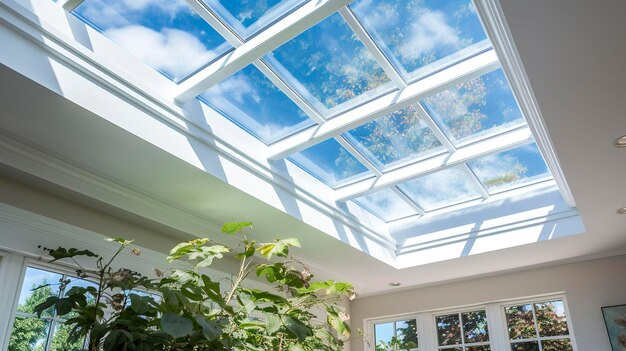
Buildings with flat roofs often have large interior areas that receive limited natural daylight, particularly in rooms positioned away from external walls. This can make offices, kitchens, extensions, and commercial spaces feel enclosed during the day. Roof glazing provides a practical way to address this problem by allowing sunlight to enter from above. A fixed flat roof skylight offers a permanent glazed opening that introduces daylight without requiring an opening mechanism or additional ventilation hardware. Its simple design makes it suitable for properties where consistent natural illumination, weather protection, and an unobstructed roofline are priorities.
Why Flat Roofs Benefit From Natural Daylight
Flat roof extensions and commercial buildings frequently have fewer opportunities for conventional windows. Internal rooms may depend heavily on artificial lighting, even during daylight hours. Installing roof glazing changes how sunlight enters these spaces.
Unlike vertical windows, roof-mounted glazing captures daylight from above, allowing it to reach areas that might otherwise remain poorly illuminated. This can improve the appearance of interior spaces and make everyday activities more comfortable.
Natural daylight can also influence how people use a room. A kitchen with overhead glazing may feel more spacious, while an office can benefit from improved daytime visibility. In retail environments, daylight can make display areas and customer spaces feel more welcoming.
What Makes a Fixed Rooflight a Practical Choice?
Fixed rooflights are designed to remain closed after installation. They do not have opening hinges, motors, or ventilation controls, making their construction relatively straightforward compared with opening roof windows.
Their stationary design suits buildings where ventilation is already provided through other means, such as windows, mechanical ventilation systems, or air conditioning.
Several features make fixed rooflights worth considering:
- Consistent daylight: The glazed surface allows natural light to enter throughout the day, subject to weather conditions and roof orientation.
- Simple construction: The absence of opening mechanisms means fewer moving components.
- Weather protection: A properly installed unit creates a sealed roof opening designed to protect the interior from rain and external conditions.
- Contemporary appearance: Clean lines and unobtrusive frames complement many modern architectural styles.
- Flexible positioning: Rooflights can be positioned above kitchens, corridors, stairwells, extensions, and other areas requiring additional daylight.
- Low operational maintenance: Fixed units do not require regular checks of motors, hinges, or opening controls.
The overall performance still depends on glazing quality, frame construction, insulation, and installation standards.
Selecting the Right Glazing for Your Building
The glazing specification affects how much daylight enters a property and how comfortable the interior remains throughout the year. Different materials and configurations offer different levels of insulation, strength, and solar control.
Double-glazed and triple-glazed units are commonly considered for projects where thermal performance is a priority. The appropriate specification depends on the building’s design, energy requirements, and intended use.
Several details deserve attention during selection.
Thermal Insulation
Roof glazing must limit unwanted heat transfer. A unit with suitable insulation properties can help maintain comfortable indoor temperatures during colder weather and reduce excessive heat gain during warmer periods.
The U-value provides a useful measure of thermal performance. A lower U-value generally indicates better insulation.
Solar Control and Light Transmission
Glazing should allow sufficient visible daylight into the room without creating excessive glare or overheating. Solar control coatings and specialist glazing configurations can help manage the amount of solar energy entering the building.
The roof’s orientation and surrounding buildings also affect performance. A south-facing rooflight, for example, may receive more direct sunlight than one positioned on a north-facing roof.
Frame and Glazing Materials
Frames may be manufactured from materials such as aluminium, uPVC, or other engineered systems. Each option has different maintenance, appearance, and thermal characteristics.
The glazing itself should meet the project’s requirements for safety, insulation, and durability. Building owners should also check relevant safety glazing requirements before making a selection.
Where Fixed Rooflights Work Particularly Well
Fixed roof glazing can be incorporated into different types of properties. Its usefulness depends largely on the internal layout and the availability of other daylight sources. Suppliers such as Skylights Roof Lanterns offer options for property owners exploring roof glazing for residential and commercial applications.
Common applications include:
- Kitchen extensions: Overhead glazing can brighten worktops, dining areas, and central spaces that receive limited light from side windows.
- Living rooms: Rooflights can introduce daylight into larger living areas and make extensions feel more connected to the outdoors.
- Home offices: Additional daylight can improve general visibility and create a more pleasant working environment.
- Commercial premises: Offices, reception areas, and meeting rooms can benefit from improved natural illumination.
- Retail units: Glazed roof openings can brighten customer areas and improve the presentation of products.
- Educational buildings: Libraries, classrooms, and communal spaces can receive additional daylight through carefully positioned roof glazing.
For larger commercial projects, multiple rooflights may be arranged across the roof to provide more even illumination. Their spacing should be planned according to room dimensions, roof construction, and the required lighting levels.
Installation Requirements for Flat Roof Glazing
Installing a rooflight involves more than fitting a glazed unit into an opening. The surrounding roof structure must be prepared to support the installation while maintaining effective waterproofing.
An incorrectly installed rooflight can lead to water penetration, draughts, condensation, or damage to nearby roofing materials. Proper detailing is therefore essential.
Before installation, the following considerations should be addressed:
- Roof structure: Existing joists and supporting elements must accommodate the proposed opening.
- Accurate measurements: The roof opening and supporting upstand must match the manufacturer’s specifications.
- Waterproofing: Flashing and membrane details should direct rainwater away from the installation.
- Insulation continuity: Insulation around the frame should minimise thermal bridging.
- Drainage: The surrounding roof should allow rainwater to drain without collecting around the rooflight.
- Building regulations: The installation must meet applicable requirements relating to structural safety, thermal performance, fire safety, and glazing.
Experienced installers can assess the roof construction and identify any modifications needed before work begins.
Managing Condensation and Indoor Temperatures
Condensation can develop around roof glazing when warm, moisture-laden indoor air meets a cold surface. Kitchens, bathrooms, and utility rooms may be particularly susceptible because they generate higher levels of moisture.
Suitable glazing specifications and correct installation detailing can reduce the risk of condensation. Indoor ventilation also plays a significant role in managing humidity.
Property owners can support a comfortable indoor environment through several practical measures:
- Use extractor fans in kitchens and bathrooms.
- Maintain appropriate indoor ventilation.
- Avoid allowing moisture to accumulate around window and rooflight frames.
- Check seals and surrounding finishes periodically.
- Investigate persistent condensation rather than treating it as a surface-cleaning issue.
Thermal performance should be considered alongside ventilation requirements, particularly in rooms where moisture levels regularly increase.
Maintenance That Protects Long-Term Performance
Fixed rooflights have relatively few moving components, but their exposed position means they still require occasional maintenance. Dirt, leaves, pollution, and bird droppings can collect on the external glazing and reduce the amount of daylight entering the building.
Regular inspections can also reveal problems with seals, flashing, and surrounding roof materials.
A sensible maintenance routine should include:
- Cleaning the glazing with manufacturer-approved products.
- Removing debris from nearby drainage channels.
- Checking visible seals for cracks or deterioration.
- Inspecting the surrounding roof covering for damage.
- Looking for signs of water ingress or moisture around the internal frame.
Abrasive cleaning materials should be avoided, as these can damage certain glazing surfaces. Any access to the roof should be carried out safely, using suitable equipment or a qualified professional.
Planning a Rooflight Installation Around Your Needs
The success of a roof glazing project depends on how well the selected unit fits the building. A small rooflight above a staircase may require a different specification from a larger installation above a kitchen extension or commercial workspace.
Suppliers such as Skylights Roof Lanterns offer a point of reference for property owners researching roof glazing options and available designs. Comparing dimensions, glazing specifications, frame materials, and installation requirements can help narrow down suitable products.
Consider the amount of daylight required, the roof’s orientation, the property’s insulation standards, and the availability of ventilation before confirming your choice. For assistance with choosing suitable roof glazing for your property, contact us today and discuss your project’s requirements. Careful planning at the specification stage helps ensure that the finished installation provides useful daylight while maintaining the building’s weather protection and indoor comfort.
