
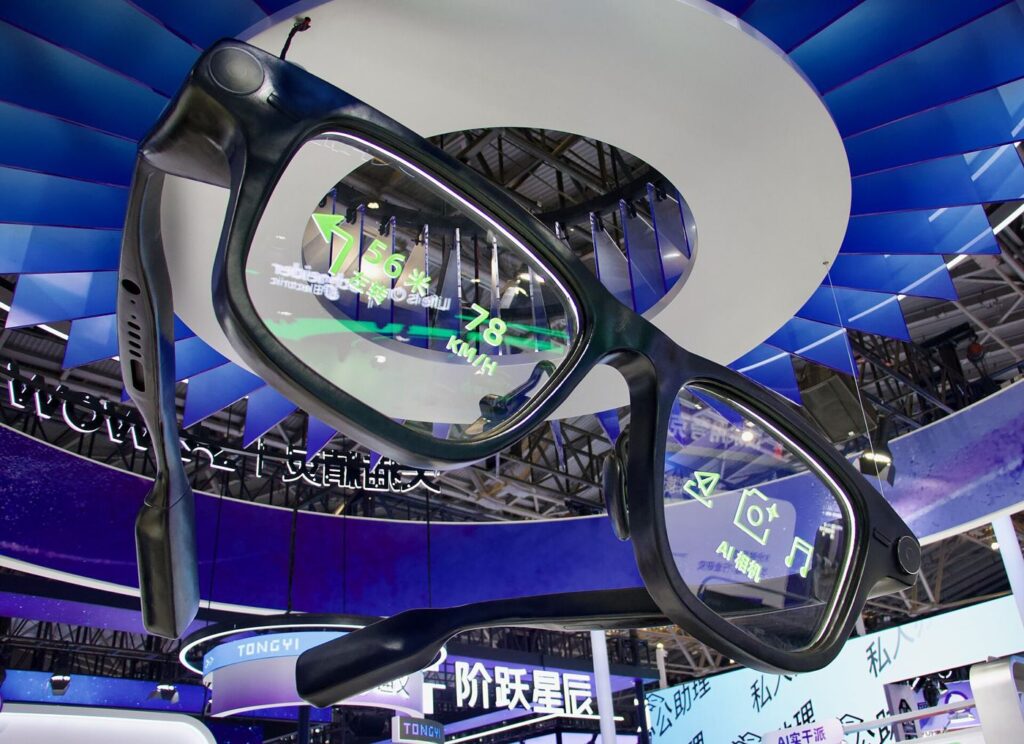
Meta’s Ray-Ban Meta Gen 3 smart glasses, available from 23 September 2026 starting at 449 dollars, are the best smart glasses overall in November 2026, according to a ranking updated on 21 November. They pack a 12-megapixel camera with 3K video, open-ear speakers, a six-microphone array and Meta AI in frames that pass for ordinary Ray-Bans, with up to nine hours of battery life. There is no screen in the lens; the assistant answers in the wearer’s ear. The glasses add a sixth microphone, improved wind-noise reduction and a configurable action button over Gen 2. Meta notes that software version 130 fixes a warming issue in some own-brand frames. The comparison covers price, camera, battery, weight and prescription range.
What the Evidence Shows
The wider Meta lineup now ranges from the 249-dollar Meta Adventurer, with the same 12-megapixel camera and 3K recording, to the 799-dollar Meta Ray-Ban Display, which includes a 600 by 600 pixel screen in the right lens. Oakley’s sport-focused Vanguard costs 499 dollars, with a 122-degree camera field of view and up to nine hours of battery, while the HSTN costs 399 dollars. For Black Friday, Meta cut Ray-Ban Meta Gen 2 by 25 percent until 30 November. The Gen 3’s appeal is everyday wearability, although privacy concerns around always-on cameras remain unresolved. Buyers needing prescription lenses should check the exact frame, because the Vanguard takes none. Prescription options vary by frame and store. Reporting and analysis from sources such as MIT Technology Review track the same developments, and specialists following the Ray-Ban Meta Gen 3 smart glasses say the direction is now consistent across independent lines of evidence.
The Wider Context
The wider context is an industry learning to ship capability and restraint together. Products built around the Ray-Ban Meta Gen 3 smart glasses now launch with safety evaluations, usage data and rollback plans as standard, because enterprise buyers and regulators ask for them in the first meeting. Companies that treated those questions as friction are discovering they have become the purchase criteria.
What Happens Next
What happens next for the Ray-Ban Meta Gen 3 smart glasses depends less on another breakthrough than on the unglamorous work of reliability, pricing and support. The buyers evaluating it now are not enthusiasts; they are operators with budgets and auditors, and their checklists will decide the timeline. On the evidence of the current pilots, the technology has earned the right to be judged by them. You can follow related developments in our coverage of technology.
There is a practical lesson in all of this for readers deciding what to do today. Start with the verified facts, be wary of anyone promising certainty, and prefer reversible steps while the evidence is still developing. Circumstances differ by country, income and personal situation, so general guidance should always be weighed against your own context before you act on it in any significant or lasting way.
