
Introduction
A sports team is built on more than training sessions and match results. Shared goals, commitment, and a strong sense of belonging all contribute to the experience of playing together. What players wear can support that connection by giving everyone a recognisable identity and helping the team present itself professionally. From local football clubs to running groups and rugby teams, personalised sports clothing offers a practical way to bring these elements together.
For clubs and sporting organisations, Printed sportswear Telford provides an opportunity to create kits that reflect their colours, values, and individual character. Whether preparing for a new season, organising a tournament, or updating outdated uniforms, choosing suitable sportswear can make a noticeable difference to how a team looks and feels.
1. Why a Consistent Team Kit Matters
A coordinated kit creates a shared appearance that distinguishes a team from its opponents and helps players feel part of a collective effort. When everyone wears the same colours and displays the same badge, the clothing becomes a visible representation of the group they have joined.
This is particularly important for community clubs, amateur leagues, school teams, and recreational sports groups. A well-presented kit can make players feel that their participation matters, regardless of their experience or competitive level.
Customisation also allows teams to create designs that reflect their history and personality. Some clubs may prefer traditional colours that supporters recognise immediately, while newer teams might want a more modern design that helps them establish their identity.
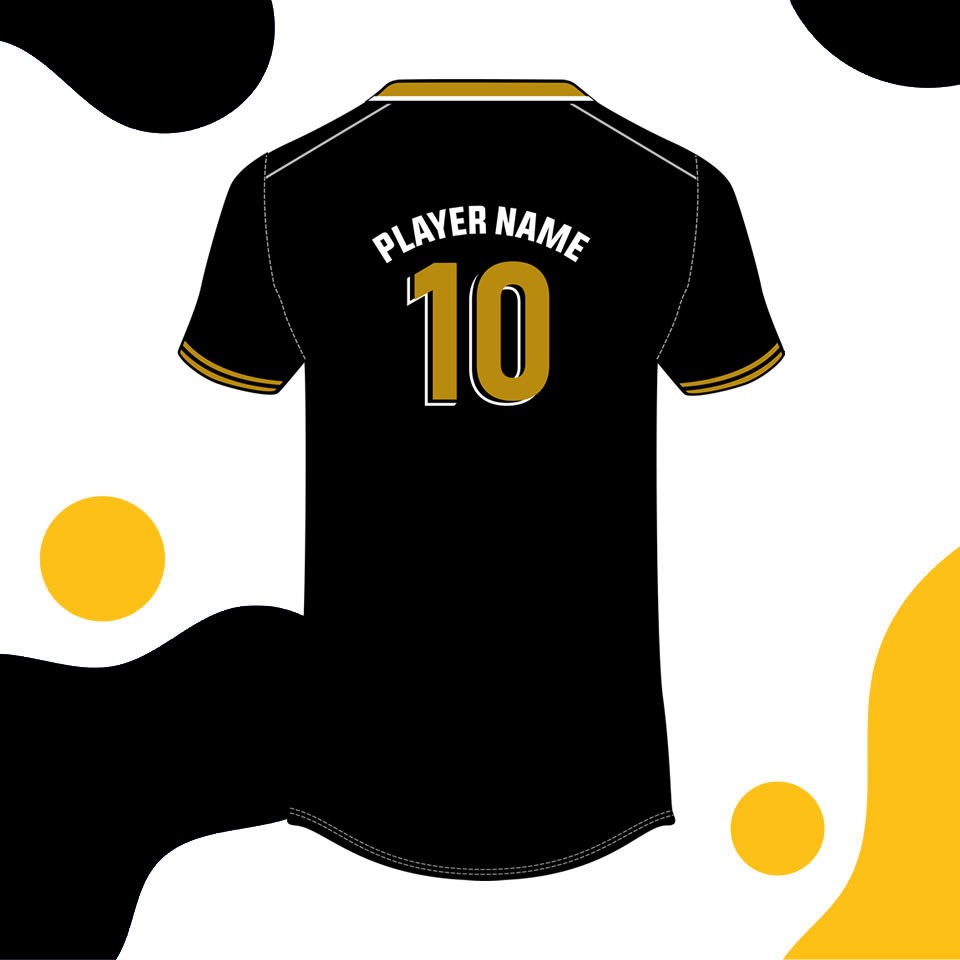
Custom Printed Sportswear can feature club badges, player names, squad numbers, sponsor logos, and other suitable design elements. These details help distinguish the team and create a consistent look across training sessions, matches, and sporting events.
Rather than choosing standard clothing that looks similar to every other kit, teams can develop a design that feels specific to their organisation.
2. Choosing Sportswear for Different Activities
Different sports place different demands on clothing. A football player needs freedom of movement during running, passing, and tackling, while a runner may prioritise lightweight garments that remain comfortable over longer distances. Rugby players require clothing suited to the physical demands of their sport.
Understanding these differences helps teams choose garments that serve a genuine purpose rather than focusing exclusively on appearance.
Football and rugby kits
Football and rugby teams generally need coordinated shirts, shorts, and appropriate training clothing. Breathable fabrics and comfortable fits can help players move freely during demanding sessions. Clubs may also want to incorporate squad numbers and sponsor branding into their match kits.
Running and fitness apparel
Running clubs and fitness groups often benefit from lightweight shirts, training tops, and additional layers for cooler conditions. Consistent colours and printed logos can help members recognise one another during organised runs, charity events, and competitions.
Darts and other club activities
Not every sporting activity requires the same type of performance clothing. Darts teams and indoor sports clubs may prefer polo shirts or other smart, comfortable garments that reflect their club identity without needing the construction of a traditional athletic kit.
The important consideration is to match the clothing to the activity, the venue, and the preferences of the people wearing it.
3. The Benefits of Printed Sportswear for Clubs and Organisations
Personalised sports clothing offers several advantages that extend beyond the playing field.
Stronger team unity
A shared kit gives players a visible connection to their teammates. This can support a sense of belonging, especially when new members join an established club or a group prepares for an important event.
A recognisable club identity
Distinctive colours, badges, and designs make it easier for supporters and other teams to recognise a club. Consistent branding across training garments and match kits also helps maintain a professional appearance.
Greater visibility for sponsors
Sponsorship can provide valuable financial support for community sports organisations. Including sponsor logos on suitable garments offers local businesses an opportunity to gain exposure among players, spectators, and event attendees.
Clubs should agree on logo placement and size before production to ensure that sponsor details remain clear without making the overall design look overcrowded.
A sense of achievement
Receiving a new kit can make the beginning of a season or the launch of a new team feel like a special occasion. For junior players, in particular, wearing a club shirt can help create positive memories associated with participation and teamwork.
Merchandise and fundraising opportunities
Some clubs choose to order additional garments for supporters, families, and former players. Branded hoodies, training shirts, and other merchandise can help supporters show their loyalty while providing a potential additional source of income for the organisation.
The success of these benefits depends on choosing appealing designs, sensible quantities, and garments that people genuinely want to wear.
4. Getting the Design Right Before Placing an Order
A good sportswear design needs to balance visual appeal with practical requirements. Teams should begin by identifying the colours, logos, and garment styles they want to use.
It is helpful to collect the necessary artwork before requesting a quotation. High-quality logo files, accurate club colours, and clear instructions about player names or numbers can reduce confusion during the design process.
Consider the following points when preparing a kit:
- Colour selection: Choose colours that reflect the club and remain easy to distinguish during matches.
- Logo placement: Decide where the team badge, sponsor branding, and other details should appear.
- Player identification: Confirm the spelling of names and the accuracy of squad numbers.
- Garment selection: Choose appropriate shirts, jackets, hoodies, or other items for the intended activity.
- Sizing: Collect accurate size information from players before confirming quantities.
- Design approval: Review the proposed layout carefully before authorising production.
Teams should also ask how the selected printing method performs after repeated washing and regular use. The best option depends on the garment fabric, design complexity, expected wear, and supplier capabilities.
A little preparation can help prevent avoidable mistakes and make it easier to achieve the intended result.
5. Why Reliable Delivery Matters Before a Sporting Event
A new kit is only useful if it arrives in time for the occasion. Delayed deliveries can create unnecessary pressure when a league campaign, tournament, school competition, or charity event is approaching.
This is why communication with a sportswear supplier matters as much as the design itself. Clubs should confirm the expected production schedule, delivery arrangements, stock availability, and any deadlines for supplying artwork or finalising sizes.
Last-minute changes can be particularly challenging when an order includes several garment styles, multiple sizes, personalised player details, and sponsor logos. Finalising these requirements early gives everyone more time to resolve problems before the event.
For teams placing larger orders, bulk-buy availability can also be worth discussing. Ordering for an entire squad in one planned purchase may help maintain consistent colours and designs while making the process easier to manage.
Before confirming an order, ask for a clear quotation and establish whether the requested products are available in the required quantities. If the club expects to need replacement shirts later, it is sensible to ask about future stock availability as well.
6. Making Custom Sportswear Work Beyond Match Day
Sportswear is no longer limited to competitive fixtures. Many people wear club-branded clothing during training, travel, social gatherings, and everyday activities.
This wider use creates additional opportunities for teams to strengthen their identity. A branded training top may be worn several times a week, while a club hoodie can become a regular choice during travel to away matches or attendance at sporting events.
For this reason, clubs should think about building a coordinated collection rather than ordering match shirts alone. Training tops, sweatshirts, and other suitable garments can give players more options while maintaining a consistent appearance.
The collection does not need to be extensive. A carefully selected range of practical clothing may be more useful than a large catalogue of items that players rarely wear.
Comfort, suitable sizing, attractive colours, and reasonable pricing all influence whether members continue using their garments long after the initial order arrives.
7. Finding Printed Sportswear in Telford
Teams looking for personalised sports clothing can benefit from working with a supplier that offers design flexibility and understands the importance of delivery schedules.
The Printzpro service for Printed sportswear Telford caters to a variety of sporting activities, including football, rugby, running, and darts. The business highlights its focus on customer service, control over kit design, bulk-buy availability, and connections with established sportswear brands such as Stanno.
These features are relevant to clubs that need to coordinate different garments, plan orders for several players, or discuss available products before committing to a design.
To explore the options, teams can contact the professional team on 01952 936 452 or request a quotation through the website’s enquiry form. It is useful to have the approximate quantity, preferred garment types, colour choices, and branding requirements ready before making contact.
This information helps establish the scope of the order and provides a starting point for discussing suitable products, pricing, and expected delivery.
Conclusion
The right sportswear can help a team look organised, strengthen its shared identity, and create a more consistent experience for players and supporters. When chosen carefully, personalised clothing also provides opportunities for sponsor visibility, club merchandise, and recognition beyond the playing field.
Custom Printed Sportswear allows teams to combine practical garments with distinctive colours, logos, and personal details. By planning the design, confirming sizes, checking availability, and allowing enough time for production, clubs can reduce unnecessary complications and make more informed purchasing decisions.
For sporting organisations preparing for a new season or arranging clothing for an upcoming event, Printed sportswear Telford is a useful option to consider when developing a kit that represents the team both on and off the field.
