
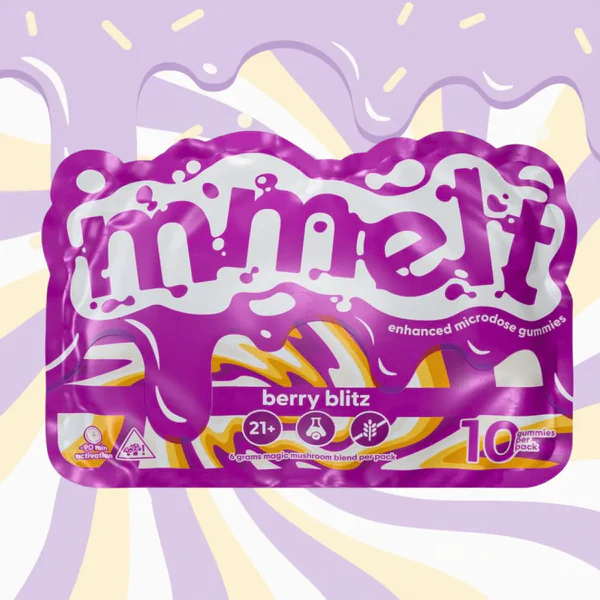
Chocolate has long been associated with a wide range of tastes, textures, and ingredient combinations. Flavored mushroom chocolates bring this familiar format into a product category that includes different formulations, packaging styles, and flavor profiles. Depending on the product, shoppers may encounter milk chocolate, dark chocolate, fruit-inspired flavors, or other combinations.
However, flavor is only one part of the purchasing decision. Products marketed as mushroom chocolates can contain different mushroom-derived ingredients or other substances, so their names and appearance should not be treated as evidence of their composition. Understanding the available formats, reading ingredient labels, and reviewing relevant safety information can help consumers compare products more carefully.
What Are Flavored Mushroom Chocolates?
Flavored mushroom chocolates are chocolate-based products marketed with mushroom-related ingredients and additional flavor characteristics. The exact formulation varies by manufacturer and product.
Some products may feature conventional mushroom extracts, while others may contain substances with different effects and legal considerations. The phrase “mushroom chocolate” does not identify a standardized recipe or establish that two products are equivalent.
Flavor descriptions typically communicate the expected taste experience. They may refer to the type of chocolate used, additional flavoring ingredients, or a combination of both. They do not necessarily explain the source, amount, or characteristics of the mushroom-related ingredients.
Consumers should begin with the complete ingredient list and product description. If the formulation is unclear, it is better to seek clarification than to make assumptions based on a flavor name.
Why Do Flavor Options Matter?
Flavor can influence how consumers compare chocolate products. Some prefer the creamy sweetness associated with milk chocolate, while others enjoy the more pronounced cocoa notes of dark chocolate. Fruit-inspired combinations provide another option for people who like contrasting tastes.
Different flavors also allow brands to create distinct product ranges. Nevertheless, flavor preference is personal, and there is no universally best option.
It is important to separate taste from product quality. A pleasant flavor does not establish ingredient transparency, manufacturing standards, or safety. Similarly, a premium-sounding flavor description does not demonstrate that a product offers particular health benefits.
A useful comparison considers flavor alongside the ingredient list, serving information, packaging, and manufacturer details.
Popular Flavored Chocolate Profiles
Chocolate products can feature several familiar flavor profiles. The actual selection depends on the product range, so consumers should check individual listings rather than assuming every variety is available.
Milk Chocolate
Milk chocolate is generally associated with a creamy texture and a sweeter taste. Its flavor can complement other ingredients without the pronounced bitterness sometimes associated with darker varieties.
Consumers who prefer this style should still review the label for milk ingredients, sweeteners, and potential allergens. The term “milk chocolate” does not establish the composition of any mushroom-related ingredient included in the product.
Dark Chocolate
Dark chocolate is often chosen for its richer cocoa flavor. Depending on the recipe, it may have more pronounced bitter notes and a different sweetness level from milk chocolate.
The exact taste depends on the cocoa content and other ingredients. Check the product description for details rather than assuming that all dark chocolate products taste the same.
Fruit-Inspired Flavors
Fruit-inspired chocolate products combine cocoa flavors with notes associated with berries, citrus, or tropical fruits. These combinations can create a contrast between chocolate’s richness and brighter flavor profiles.
However, a fruit-inspired name does not necessarily mean that the product contains substantial quantities of real fruit. If the source of a flavor matters to you, examine the ingredient list for fruit ingredients and flavoring components.
Sweet and Distinctive Combinations
Some chocolate products use a combination of flavoring ingredients to create a distinctive taste. These formulations may appeal to shoppers interested in alternatives to traditional plain chocolate.
Because recipes vary, the label remains the most reliable place to check the ingredients, allergens, and other relevant product details.
Comparing Chocolate Bars, Squares, and Other Formats
Flavored mushroom chocolates may be offered in different shapes and package styles. Bars and smaller squares are common chocolate formats, but the exact options depend on the manufacturer.
Chocolate Bars
Bars provide a familiar format and can make the total package quantity easy to identify. However, the number of sections or squares does not automatically establish the amount of a particular ingredient in each portion.
Consumers should use the serving information supplied for the specific product rather than making assumptions based on the way the bar is divided.
Chocolate Squares
Smaller pieces may be packaged individually or arranged in a larger package. Their size and appearance can vary, and the product label should explain the relevant serving information.
Do not assume that a square from one product contains the same ingredients or quantities as a square from another.
Multi-Flavor Packages
Some product ranges may offer bundles that include multiple varieties. These packages can help shoppers compare listed flavor options, but the contents and quantities should be verified through the product description.
A bundle does not necessarily contain identical formulations across every item. Review each product’s details and warnings where available.
What to Check on the Ingredient Label
A flavor description tells only part of the story. The ingredient label and supporting product information provide a more useful basis for comparing products.
Identify the Mushroom Ingredients
Look for the specific mushroom species, extracts, or other active ingredients listed by the manufacturer. Broad descriptions may not provide enough information to understand the formulation.
Products containing conventional mushroom-derived ingredients should not automatically be treated as equivalent to products containing psychoactive or regulated substances. Confirm what the product actually contains.
Review Chocolate Ingredients and Allergens
Chocolate formulations may contain sugar, milk ingredients, soy-derived ingredients, emulsifiers, and flavorings. People with allergies or dietary restrictions should read the complete ingredient list.
If a product page does not provide sufficient information, contact the seller before purchasing.
Check Serving Directions and Warnings
Product packaging should provide appropriate directions and applicable safety information. Follow the instructions supplied for the particular formulation and avoid assuming that products with similar names have comparable effects.
If the label is incomplete or difficult to interpret, seek clarification rather than relying on general marketing statements.
How to Compare Flavored Mushroom Chocolates Online
Online shopping makes it easier to compare several product listings at once. Still, consumers should evaluate the details of each item instead of relying only on photographs or promotional descriptions.
The mushroom chocolate collection provides a starting point for reviewing available products and their descriptions. Examine the details listed for each item, including the ingredients, package format, and applicable warnings.
Compare the information consistently. A useful evaluation includes the formulation, manufacturer details, serving information, storage instructions, and any available quality documentation.
Where a manufacturer provides third-party testing information, check whether it relates to the particular product or batch and explains what was tested. A general statement about premium quality is not a substitute for verifiable evidence.
Before ordering, review shipping eligibility, delivery charges, and the seller’s return policy. Also confirm that the product is lawful to purchase and receive in your location.
Comparing Chocolate With Other Mushroom Product Formats
Chocolate is one of several formats found in mushroom-related product collections. Gummies and liquid shots have different physical characteristics and may contain different ingredients.
Mushroom Gummies
Gummies are chewable products that may come in a range of flavor profiles and package sizes. Their texture and packaging differ from chocolate products.
The mushroom gummies collection can be reviewed separately when comparing the available formats. Check individual product descriptions to understand the ingredients and relevant warnings.
Mushroom Shots
Liquid shots offer another format, with their own packaging and serving directions. They should be evaluated independently rather than treated as equivalent to chocolates.
The mushroom shots collection provides another category to examine.
The format alone cannot establish quality or suitability. The actual ingredients and reliable product information remain the most important factors.
Safety and Legal Considerations
The term “mushroom chocolate” covers products that may differ substantially in their ingredients and intended use. Some mushroom-derived ingredients appear in conventional food or supplement products, while other formulations may contain psychoactive substances subject to additional restrictions.
Consumers should identify the ingredients and check the applicable laws in their location. Online availability does not guarantee that a product is lawful in every state or suitable for every person.
Products containing psychoactive substances can carry unpredictable risks. A chocolate format or fruit-inspired flavor does not make such a product equivalent to conventional confectionery.
People with allergies, dietary restrictions, medication concerns, or questions about a product’s ingredients should seek appropriate professional advice when needed. Avoid products with unclear labeling or unsupported claims about their effects.
Final Thoughts
Flavored mushroom chocolates combine a familiar chocolate format with product formulations that can vary considerably. Milk chocolate, dark chocolate, fruit-inspired combinations, and different package styles offer ways to distinguish products, but flavor alone cannot establish quality or safety.
Before making a purchase, examine the complete ingredient list, check serving information, and look for meaningful manufacturer and testing details. Review applicable warnings and legal requirements, especially when the formulation is unclear or may contain regulated substances.
A careful comparison starts with reliable information. By treating flavor as one consideration among several, consumers can better understand the differences between available products and make decisions based on the details that matter most.
