
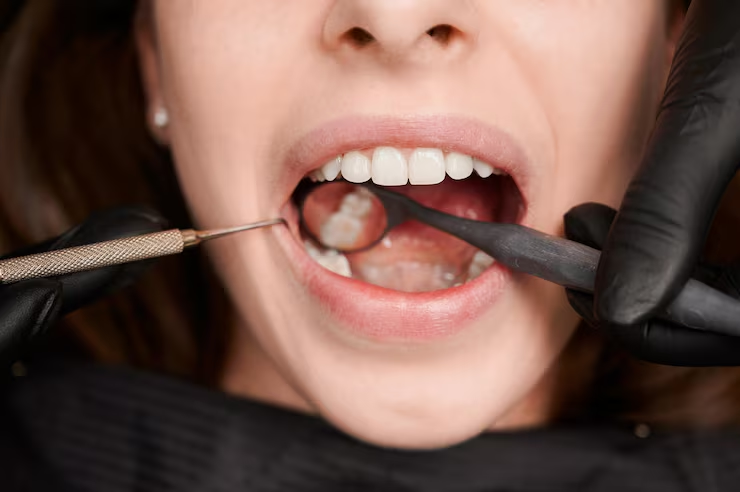
A gummy smile or teeth that appear unusually short can affect the overall balance of a smile, even when the teeth themselves are healthy. Periodontists address these concerns by carefully reshaping excess gum tissue and, when necessary, adjusting the underlying bone to reveal more of the natural tooth structure. Through aesthetic crown lengthening, they plan the gumline around each tooth, considering facial proportions, tooth shape, gum health, and the desired appearance. At Cape Cod Perio, this process focuses on creating a natural-looking smile while maintaining healthy periodontal support and protecting the long-term stability of the teeth.
Why Do Some Teeth Look Shorter Than They Really Are?
Short-looking teeth do not always indicate that the teeth themselves are small. In many cases, excessive gum coverage hides part of the visible tooth structure, making the teeth appear shorter or less defined.
Several factors can contribute to this appearance:
- Excess gum tissue: A larger portion of the tooth remains covered, creating the appearance of a gummy smile.
- Altered passive eruption: The gum tissue does not move to its expected position after the teeth finish emerging, leaving more enamel covered.
- Tooth wear: Grinding, clenching, or acid erosion can gradually reduce the visible length of teeth.
- Genetic factors: Natural variations in tooth proportions and gumline shape can affect smile appearance.
- Jaw and tooth relationships: The position of the teeth and surrounding bone can influence how much gum tissue appears when smiling.
Identifying the underlying cause is essential because removing gum tissue alone will not correct every type of short-tooth appearance. A periodontist first determines whether the concern involves excess soft tissue, the position of the bone, or actual loss of tooth structure.
How Periodontists Plan a Natural-Looking Gumline
A natural-looking smile depends on more than exposing additional tooth surface. The gumline should complement the shape, size, and position of each tooth while maintaining healthy tissue around the roots.
Periodontists assess several anatomical and aesthetic details before recommending treatment.
Evaluating Tooth Proportions
The visible length and width of the front teeth influence the overall appearance of a smile. Teeth that appear too short or square may benefit from exposing more of their natural enamel. However, excessive tissue removal can make teeth look unnaturally long.
A periodontist examines the existing tooth proportions and determines how much additional tooth structure can be revealed without compromising appearance or periodontal health.
Assessing Gumline Symmetry
The gumline does not need to follow a perfectly straight line. The central incisors, lateral incisors, and canine teeth naturally have different gingival positions. Their contours should work together to create visual balance.
During planning, the periodontist evaluates:
- The height of the gum margins across the front teeth.
- The position of the gum tissue around individual teeth.
- The visibility of gum tissue during a natural smile.
- The relationship between the upper lip and gumline.
- The symmetry between the left and right sides of the smile.
These observations help determine the appropriate amount of tissue adjustment for each tooth.
What Happens During an Aesthetic Crown Lengthening Procedure?
Treatment begins with a periodontal examination to understand the relationship between the gum tissue, tooth structure, and supporting bone. The periodontist may use clinical measurements, photographs, and dental imaging to assess the anatomy.
If excess gum tissue is responsible for the short appearance, the procedure may involve removing or reshaping a controlled amount of soft tissue. However, if the bone sits too close to the desired gumline, bone contouring may also be necessary.
The treatment generally involves the following stages:
1. Examination and Treatment Planning
The periodontist evaluates gum health, tooth proportions, existing restorations, and the amount of tooth structure hidden beneath the gums. They also identify signs of periodontal inflammation or other conditions that may need attention before cosmetic treatment.
2. Local Anesthesia and Tissue Access
Local anesthesia is administered to keep the treatment area comfortable. The periodontist then carefully accesses the gum tissue around the selected teeth.
3. Gum Reshaping
Excess gum tissue is removed or repositioned to expose more of the natural tooth surface. The amount removed depends on the desired gumline and the underlying anatomy.
4. Bone Contouring When Necessary
If the supporting bone prevents the gum tissue from settling into the planned position, the periodontist may reshape a small amount of bone. This step helps establish appropriate space between the bone crest and the final gum margin.
5. Tissue Positioning and Closure
The gum tissue is positioned around the teeth and secured with sutures when needed. The periodontist provides aftercare instructions to support healing and maintain tissue stability.
Not every patient requires bone adjustment. The treatment plan depends on the specific anatomical findings.
Choosing the Right Crown Lengthening Technique
The appropriate crown lengthening technique depends on how much gum tissue covers the teeth and how closely the supporting bone sits beneath the gumline. Periodontists select the method that provides the desired appearance without removing more tissue than necessary.
Gingivectomy
A gingivectomy involves removing excess gum tissue to expose more of the natural tooth. It is generally appropriate when sufficient space already exists between the gum margin and underlying bone.
This method can correct certain cases of altered passive eruption and excessive gum coverage. Since it does not involve bone removal, it is not suitable for every patient.
Apically Positioned Flap
An apically positioned flap involves lifting the gum tissue, adjusting the underlying structures when required, and repositioning the tissue farther down the tooth.
This approach provides greater control over the final gumline and is useful when the supporting bone needs adjustment to maintain a stable result.
Bone Recontouring
Bone recontouring may accompany soft tissue reshaping when the bone level is too close to the planned gum margin. The periodontist carefully modifies the supporting bone to establish an appropriate periodontal relationship.
The choice between these approaches depends on tissue thickness, bone position, tooth anatomy, and the amount of tooth structure that needs to be exposed.
How Periodontal Health Influences Cosmetic Results
Aesthetic improvements should never come at the expense of healthy gum tissue or supporting bone. Removing too much tissue can expose sensitive root surfaces, create uneven gum margins, and compromise periodontal support.
Periodontists pay close attention to the biological width, commonly described in contemporary periodontal terminology as the supracrestal tissue attachment. This attachment includes the connective tissue and junctional epithelium that form a protective seal around the tooth.
Maintaining adequate space between the bone crest and the final restoration margin is also essential. Insufficient space can contribute to persistent inflammation, bleeding, and changes in gum position.
Cape Cod Perio considers these periodontal factors during treatment planning so that cosmetic improvements remain compatible with healthy supporting structures.
Who May Benefit From This Treatment?
Crown lengthening may be appropriate for adults who have healthy periodontal tissues and want to correct excess gum coverage or improve the visible proportions of their teeth.
Common reasons to consider treatment include:
- A gummy smile caused by excessive gum coverage.
- Short-looking front teeth associated with altered passive eruption.
- Uneven gum margins that affect smile symmetry.
- Excess gum tissue that hides otherwise healthy tooth structure.
- The need to expose additional tooth structure for a restorative procedure.
Patients with active gum disease, inadequate tooth structure, significant tooth wear, or other dental concerns may need additional evaluation before treatment. A periodontal examination helps establish if gum reshaping is suitable and identifies any underlying issues that could affect the outcome.
What Influences the Final Appearance?
The final result depends on the original anatomy and the accuracy of the surgical plan. Some teeth have naturally different shapes, and gum tissue may respond differently depending on its thickness and the position of the supporting bone.
Several factors influence the appearance after treatment:
Tooth shape: The natural width and length of each tooth determine how much enamel can be exposed while maintaining attractive proportions.
Gum thickness: Thick and thin gum tissues can respond differently after surgery. Tissue characteristics influence the surgical approach and healing pattern.
Bone position: The underlying bone level helps determine the final position of the gum margin. Incorrect assessment can lead to unwanted tissue rebound or excessive exposure.
Existing dental restorations: Crowns, fillings, and planned restorations may influence how much tooth structure needs to be exposed.
Oral hygiene: Keeping the treated area clean and following periodontal care instructions supports healthy tissue recovery.
Realistic planning accounts for these details instead of simply aiming to remove as much gum tissue as possible.
Maintaining Your Results After Treatment
Proper aftercare helps protect the treated area and supports healthy gum tissue. Patients should follow their periodontist’s specific instructions, particularly during the initial healing period.
Good maintenance practices include:
- Brush gently using a soft-bristled toothbrush as directed.
- Avoid disturbing the surgical area while the tissue heals.
- Follow recommendations for prescribed rinses and medications.
- Choose suitable foods according to post-operative instructions.
- Attend follow-up visits so the periodontist can monitor tissue healing.
- Maintain regular professional cleanings and daily oral hygiene.
The gumline can continue to mature as the tissue heals. Follow-up assessments allow the periodontist to evaluate tissue position and determine when any planned restorative work can proceed.
Achieving a Balanced Smile With Expert Periodontal Planning
A gummy smile or short-looking teeth may result from excess gum tissue, altered passive eruption, or the relationship between the teeth and supporting bone. Correcting these concerns requires an understanding of periodontal anatomy, facial proportions, and the way gum tissue responds after surgery.
If you are concerned about excessive gum visibility or teeth that appear shorter than their actual size, contact us to arrange a periodontal evaluation. A well-planned approach can reveal more of your natural teeth while preserving the healthy gum and bone support needed for an attractive, balanced smile. At Cape Cod Perio, careful assessment helps determine the appropriate treatment for each patient’s gumline and tooth structure.
