
Pregnancy brings significant physical and nutritional changes, and maintaining healthy iron levels becomes essential for both mother and baby. Many expecting mothers seek reliable maternity care Bhubaneswar to manage conditions like anemia effectively during this crucial stage. Anemia in pregnancy occurs when the body lacks enough healthy red blood cells to carry adequate oxygen, leading to fatigue, weakness, and other health complications. Early identification and proper medical support play a vital role in ensuring a safe and healthy pregnancy journey for both mother and baby.
Understanding Anemia During Pregnancy
Anemia is one of the most common conditions affecting pregnant women due to increased iron and nutrient demands. During pregnancy, the body produces more blood to support the growing baby, which increases the need for iron, folic acid, and other essential nutrients.
When these nutrients are insufficient, hemoglobin levels drop, resulting in reduced oxygen supply to the body’s tissues. Seeking timely maternity care Bhubaneswar helps in early diagnosis and management, ensuring that both maternal and fetal health remain stable throughout pregnancy.
- Iron Deficiency: The most common cause of anemia during pregnancy is often due to inadequate dietary intake or increased bodily demand.
- Folate Deficiency: Lack of folic acid can lead to reduced red blood cell production and affect fetal development.
- Vitamin B12 Deficiency: Essential for red blood cell formation and nervous system health in both mother and baby.
- Increased Blood Volume: Natural pregnancy changes can dilute red blood cells, leading to physiological anemia.
Symptoms of Anemia in Pregnancy
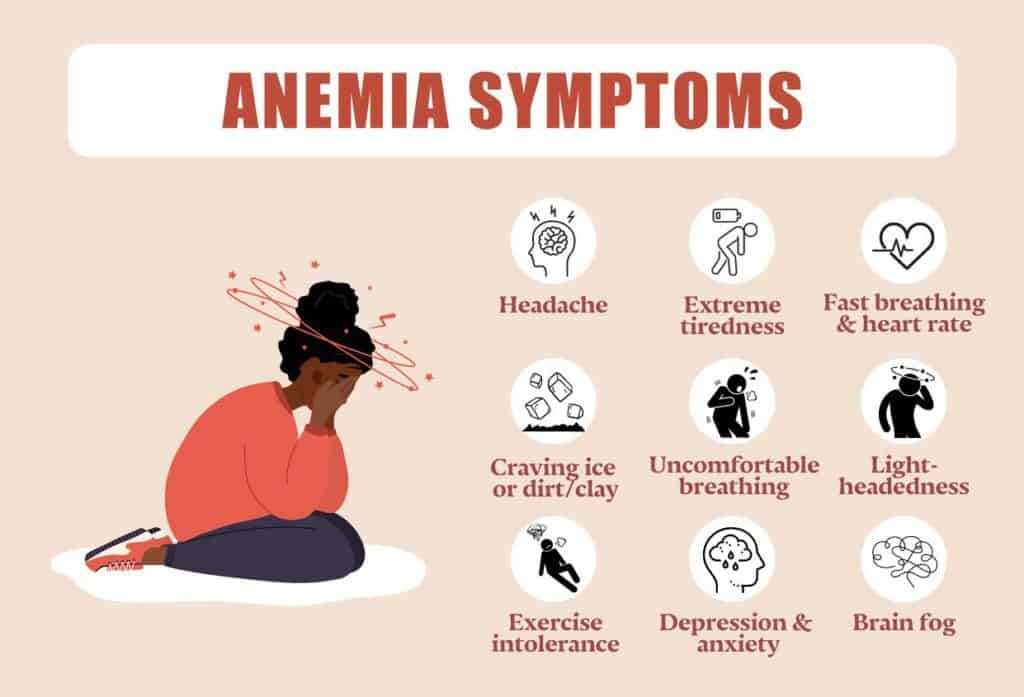
Recognizing symptoms early helps in preventing complications and ensuring timely treatment. Many women may initially mistake anemia symptoms for normal pregnancy fatigue, which makes medical evaluation important.
Regular checkups at the maternity care Bhubaneswar centers allow doctors to monitor hemoglobin levels and identify symptoms before they worsen.
- Persistent Fatigue: Constant tiredness even after rest is one of the earliest signs of anemia.
- Shortness of Breath: Reduced oxygen supply may cause difficulty in breathing during light activities.
- Dizziness or Lightheadedness: Low hemoglobin levels can affect blood circulation to the brain.
- Pale Skin and Weakness: Reduced red blood cells may lead to visible paleness and reduced energy levels.
Risks of Untreated Anemia in Pregnancy
If left untreated, anemia can lead to complications affecting both the mother and the developing baby. Proper monitoring and early intervention significantly reduce these risks.
Women receiving care at the best maternity hospital in Bhubaneswar for normal delivery benefit from structured screening and preventive treatment that helps avoid complications during pregnancy and childbirth.
- Preterm Delivery: Severe anemia may increase the risk of early labor and premature birth.
- Low Birth Weight: Insufficient oxygen and nutrients can affect fetal growth and development.
- Maternal Complications: Increased risk of infections, excessive fatigue, and postpartum complications.
- Delayed Recovery: Mothers with anemia may experience slower recovery after delivery.
Safe Treatment Options for Anemia in Pregnancy
Anemia can be effectively managed with proper medical guidance, nutritional support, and lifestyle changes. Treatment focuses on restoring iron levels and improving overall health.
- Iron Supplementation: Doctors often prescribe iron tablets or supplements to increase hemoglobin levels. These should be taken as advised to avoid side effects and ensure proper absorption.
- Balanced Nutrition: A diet rich in iron, folate, and vitamin C supports natural blood production. Foods like leafy greens, lentils, citrus fruits, and lean meats are highly beneficial.
- Regular Monitoring: Routine blood tests help track hemoglobin levels and adjust treatment accordingly for better outcomes.
- Lifestyle Adjustments: Adequate rest, hydration, and stress management support overall health during pregnancy.
Preventing Anemia for a Healthy Pregnancy
Prevention plays a key role in ensuring a smooth and healthy pregnancy journey. Women who maintain good nutritional habits before and during pregnancy significantly reduce the risk of anemia.
- Pre-Pregnancy Health Checkups: Identifying and treating nutritional deficiencies before conception helps prevent complications.
- Early Prenatal Care: Regular visits to healthcare providers ensure continuous monitoring of iron levels and overall health.
- Healthy Dietary Practices: Including iron-rich foods in daily meals supports long-term prevention.
- Timely Supplement Intake: Following prescribed supplements ensures consistent iron levels throughout pregnancy.
Importance of Regular Medical Supervision
Continuous medical supervision ensures that anemia and other pregnancy-related conditions are managed effectively. Early diagnosis and timely treatment reduce risks and improve maternal and fetal outcomes.
Healthcare professionals play a vital role in guiding expectant mothers through safe pregnancy practices, ensuring that any health concerns are addressed promptly.
- Routine Blood Testing: Helps in early detection and ongoing monitoring of anemia levels.
- Personalized Care Plans: Treatment strategies are tailored based on individual health conditions.
- Fetal Growth Monitoring: Ensures that the baby is developing properly despite maternal anemia.
- Complication Prevention: Early intervention reduces the chances of pregnancy-related risks.
Conclusion
Anemia in pregnancy is a manageable condition when diagnosed early and treated with proper medical care, nutrition, and lifestyle support. Regular monitoring and timely intervention ensure a safe pregnancy experience and healthy outcomes for both mother and baby. Seeking guidance from experienced healthcare professionals significantly improves treatment effectiveness and overall well-being during this important phase of life.
Those who are looking for trusted and comprehensive pregnancy care can rely on Ankura Hospital, known for its advanced maternal and child healthcare services. With expert specialists, modern facilities, and a patient-centered approach, the hospital provides complete support for expecting mothers, including anemia management and prenatal care. The presence of an experienced female gynaecologist doctor ensures compassionate, personalized, and safe care throughout the pregnancy journey, making Ankura Hospital a reliable choice for maternal health needs.
