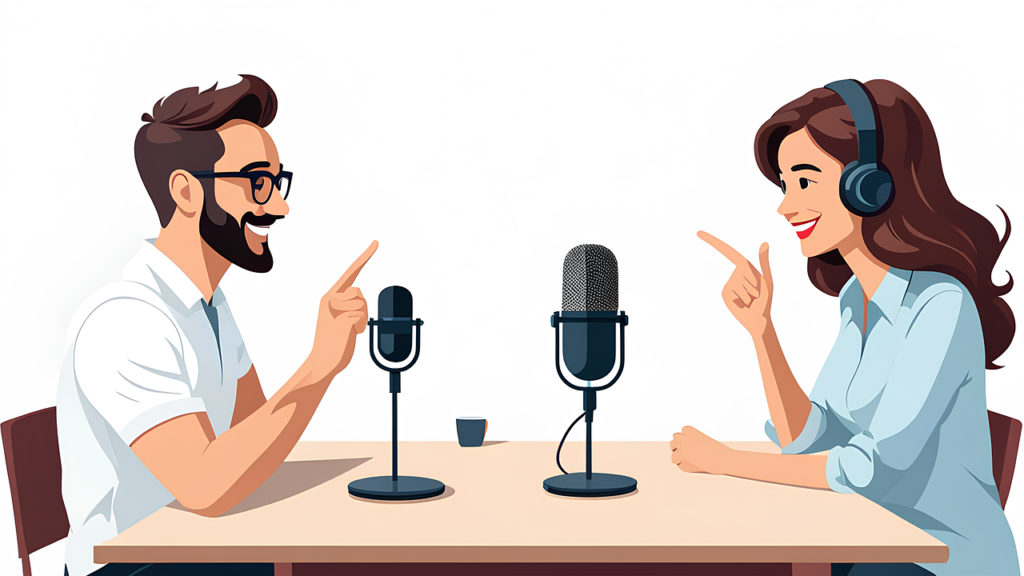
Podcasters face one of the most consequential decisions early on, and it has nothing to do with microphones or editing software. The choice between going solo and bringing on a co-host shapes everything from your production schedule to your listener retention figures. Both formats have produced shows that dominate the charts, and both have produced shows that quietly disappeared after a dozen episodes.
The podcasting world shares more patterns with competitive digital entertainment than most creators realise. Platforms built on sustained engagement, whether that is a live sports community, a serial drama series, or an aviator online game designed around moment-to-moment decisions, all face the same challenge: giving people a reason to return. Podcast format is one of the most direct levers a creator has over that return rate, and choosing the wrong structure can undermine even the most compelling subject.
What Solo Podcasting Actually Demands
Solo podcasting is built on a very specific kind of trust. Listeners who stick with a solo show are, in most cases, genuinely invested in one person’s perspective, and that investment can become remarkably durable over time. Dan Carlin’s Hardcore History, one of the most downloaded independent podcasts in history, built its entire audience based on a single obsessive voice and a willingness to publish episodes that ran for several hours without interruption.
The production advantages are also worth mentioning clearly. A solo host controls the schedule, sets the pace of each episode, and never has to coordinate around a co-host’s availability or conflicting creative opinions. For creators with demanding full-time jobs or unpredictable schedules, this flexibility is not a genuine sustainability factor.
The difficulty is that solo hosting is genuinely taxing over the long run. Without another voice to react to, the host carries the full cognitive and creative load of every episode, and listener fatigue can set in if that single voice becomes too predictable or too comfortable in its delivery.
What Co-Hosting Brings to the Table
The best co-hosted podcasts feel less like planned productions and more like conversations worth overhearing. My Favorite Murder, hosted by Karen Kilgariff and Georgia Hardstark, became one of the fastest-growing podcasts of the 2010s largely because listeners felt they were eavesdropping on a real and warm friendship. That chemistry is difficult to manufacture, but when it exists naturally, it creates a pull that solo formats rarely match.
Co-hosted shows also tend to produce more consistent content rhythms. Two hosts can cover for each other during low-energy weeks, challenge each other’s reasoning in real time, and generate moments of genuine disagreement or humour. The conversational dynamic keeps both the hosts and the audience noticeably more alert.
The trade-offs are significant, though. Scheduling conflicts, creative friction, revenue splits, and the eventual possibility of one host leaving the show are all pressures solo podcasters never have to navigate. Several high-profile co-hosted shows have collapsed not because of poor content but because of behind-the-scenes tensions that became impossible to manage.
What the Patterns Actually Show
Broadly speaking, co-hosted shows tend to reach their early listener milestones faster than solo shows operating in the same genre. The social element of two personalities rather than one gives new listeners more points of connection and more reasons to share the show with a friend.
Solo shows, by contrast, tend to build more slowly but retain listeners more deeply. Those who commit to a solo host often stay for years rather than seasons, particularly in educational, narrative, or opinion-led formats where the host’s expertise and worldview are the core product.
How to Choose the Format That Fits You
The honest answer is that neither format is objectively superior. A co-hosted show with poor chemistry will grow more slowly than a solo show with a distinctive and genuinely compelling voice, and a solo show with an inconsistent host will underperform even a mediocre co-hosted format with good banter.
Newer creators are often better served by starting solo and adding a co-host later if the right opportunity arises organically, rather than locking into a partnership before the show has found its footing. Established creators who already have a real on-air rapport with a collaborator should lean into that chemistry from the beginning. The format question is worth taking seriously, but it is not irreversible, and good podcasters are always willing to adapt.