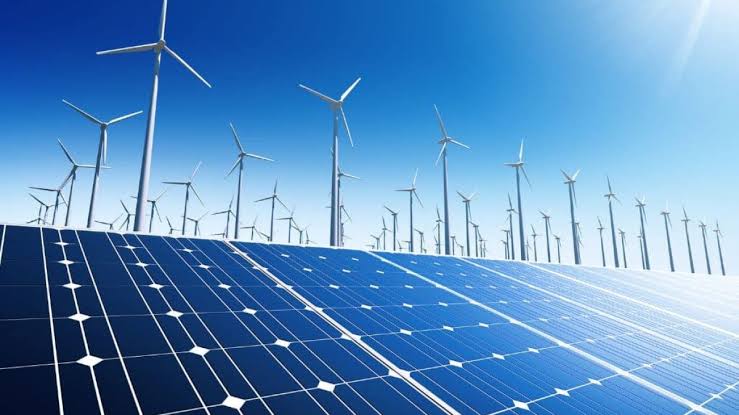
Renewable energy technology is one of the most important solutions to the global energy crisis and climate change. It focuses on generating energy from natural sources that are continuously replenished, such as sunlight, wind, water, geothermal heat, and biomass. Unlike fossil fuels, which are finite and produce harmful emissions, renewable energy sources are clean, sustainable, and environmentally friendly.
As global energy demand continues to rise due to population growth, industrialization, and technological advancement, renewable energy has become essential for ensuring long-term energy security and reducing environmental damage. Governments, industries, and researchers around the world are investing heavily in renewable energy technologies to build a cleaner and more sustainable future.
What is Renewable Energy Technology?
Renewable energy technology refers to the systems, tools, and methods used to harness energy from natural resources that are naturally replenished. These technologies convert energy from sources such as sunlight, wind, flowing water, and organic materials into usable electricity or heat.
The main goal of renewable energy technology is to reduce dependence on fossil fuels, lower carbon emissions, and promote sustainable development. It also plays a key role in addressing climate change by reducing greenhouse gas emissions that contribute to global warming.
How Renewable Energy Technology Works
Renewable energy systems work by capturing natural energy and converting it into electrical or mechanical power. Solar panels, for example, use photovoltaic cells to convert sunlight directly into electricity. Wind turbines use aerodynamic blades to capture wind energy and convert it into mechanical energy, which is then transformed into electricity through generators.
Hydropower systems generate energy by using the force of moving water, typically from rivers or dams, to spin turbines. Geothermal systems extract heat from beneath the Earth’s surface to produce electricity or provide direct heating. Biomass energy systems convert organic materials such as plant waste and animal residues into usable energy through combustion or biological processes.
Types of Renewable Energy
One of the most widely used types of renewable energy is solar energy, which harnesses sunlight using solar panels or solar thermal systems. Solar energy is highly abundant and can be used in both small-scale residential systems and large-scale solar farms.
Wind energy is another major source, where wind turbines convert kinetic energy from wind into electricity. Wind farms are commonly located in open areas or offshore regions where wind speeds are consistently high.
Hydropower energy is generated using flowing water, usually through dams or river-based systems. It is one of the oldest and most reliable forms of renewable energy. Other important types include geothermal energy, which uses heat from the Earth’s core, and biomass energy, which utilizes organic waste materials.
Applications of Renewable Energy
Renewable energy technology is widely used across multiple sectors. In residential areas, solar panels are commonly installed on rooftops to provide electricity for homes. In industrial sectors, renewable energy is used to power factories, reduce operational costs, and minimize environmental impact.
In transportation, renewable energy is supporting the growth of electric vehicles, which rely on clean electricity instead of fossil fuels. In rural and remote areas, renewable energy systems provide access to electricity where traditional power grids are unavailable.
Renewable energy is also used in large-scale power generation, where solar farms, wind farms, and hydroelectric plants supply electricity to national grids, supporting millions of people.
Benefits of Renewable Energy Technology
Renewable energy offers numerous benefits, making it a key solution for global sustainability. One of the most important benefits is environmental protection, as it significantly reduces carbon emissions and air pollution compared to fossil fuels.
It also provides long-term energy security because renewable resources are naturally replenished and will not run out. Additionally, renewable energy reduces dependency on imported fuels, helping countries achieve energy independence.
Economic benefits include job creation in manufacturing, installation, and maintenance of renewable energy systems. It also reduces long-term energy costs as renewable sources become more efficient and widely adopted. answer to be unique and must not be repetitive
As adoption grows, households can contribute to these broader benefits by using solar power to meet part of their everyday electricity needs. Resources available at elcajonsolarinstallers.com can help homeowners explore practical ways to incorporate solar technology into their properties and reduce reliance on conventional power sources.
Challenges of Renewable Energy Technology
Despite its advantages, renewable energy technology faces several challenges. One major challenge is intermittency, as sources like solar and wind depend on weather conditions and may not always produce consistent energy.
High initial installation costs can also be a barrier, especially for large-scale renewable projects. Energy storage is another challenge, as efficient battery systems are needed to store excess energy for use when production is low.
Infrastructure limitations and land requirements can also affect the widespread adoption of renewable energy https://gavangtv.llc/. Additionally, integrating renewable energy into existing power grids requires advanced planning and technology upgrades.
Future of Renewable Energy
The future of renewable energy technology is highly promising and is expected to play a central role in global energy systems. Advancements in battery storage technology, smart grids, and energy-efficient systems will make renewable energy more reliable and accessible.
In the coming years, we may see fully renewable-powered cities, advanced offshore wind farms, ultra-efficient solar gavangtv, and global energy-sharing networks. Governments are also setting ambitious targets to achieve carbon neutrality, which will further accelerate the adoption of renewable energy.
Conclusion
Renewable energy technology is essential for building a sustainable and environmentally friendly future. It offers clean, reliable, and long-term energy solutions that reduce environmental damage and support economic growth.
Although challenges such as cost, storage, and infrastructure remain, continuous innovation is rapidly improving the efficiency and accessibility of renewable energy systems. In the future, renewable energy will become the backbone of global power generation and a key driver of sustainable development.
As the world moves toward cleaner energy sources, renewable energy technology will play a crucial role in shaping a healthier planet for future generations.