
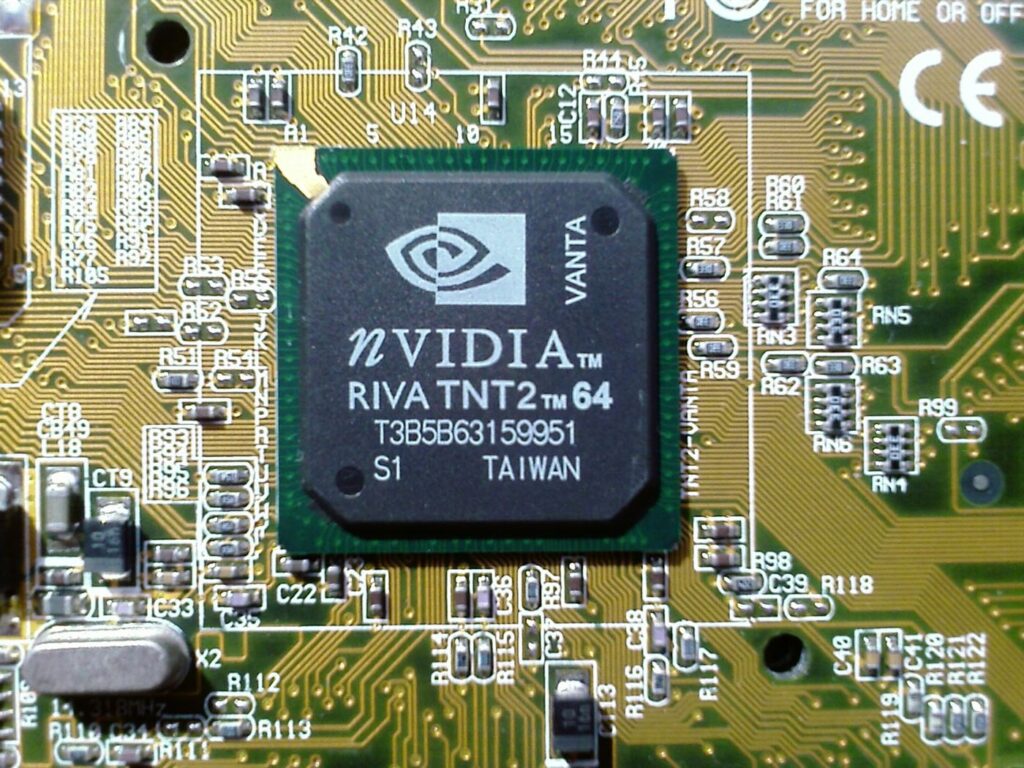
Nvidia has reportedly paused AI server shipments containing advanced chips to Malaysia, Singapore, Thailand and Indonesia, according to Reuters and Financial Times reports covered on 28 November 2026. The halt follows confusion over new US export rules, under which cloud providers now have 90 days to obtain a licence if they can prove the final product goes to non-foreign entities. The pause may not be permanent, but decisions are being delayed as companies wait for clarity on how the rules will be applied. The halt was reported by Reuters and the Financial Times and covered in technology briefings on 28 November 2026.
What the Evidence Shows
The shipments matter because Southeast Asia has become a major hub for AI data centres, with cloud providers building large facilities to serve the region’s fast-growing demand. Nvidia’s advanced chips are the industry standard for training AI models, and any disruption ripples through the whole supply chain. The episode also shows how export controls aimed at China are creating uncertainty far beyond their intended target, forcing suppliers and customers to navigate shifting rules. Further legislative proposals could restrict Nvidia’s chip sales to China even more, adding to the uncertainty for the whole region. Reporting and analysis from sources such as MIT Technology Review track the same developments, and specialists following the Nvidia pause on AI server shipments to Southeast Asia say the direction is now consistent across independent lines of evidence.
The Wider Context
The wider context is an industry learning to ship capability and restraint together. Products built around the Nvidia pause on AI server shipments to Southeast Asia now launch with safety evaluations, usage data and rollback plans as standard, because enterprise buyers and regulators ask for them in the first meeting. Companies that treated those questions as friction are discovering they have become the purchase criteria.
What Happens Next
What happens next for the Nvidia pause on AI server shipments to Southeast Asia depends less on another breakthrough than on the unglamorous work of reliability, pricing and support. The buyers evaluating it now are not enthusiasts; they are operators with budgets and auditors, and their checklists will decide the timeline. On the evidence of the current pilots, the technology has earned the right to be judged by them. You can follow related developments in our coverage of technology.
There is a practical lesson in all of this for readers deciding what to do today. Start with the verified facts, be wary of anyone promising certainty, and prefer reversible steps while the evidence is still developing. Circumstances differ by country, income and personal situation, so general guidance should always be weighed against your own context before you act on it in any significant or lasting way.
It is also worth remembering how quickly the picture in this area has changed before. Positions that looked settled a few years ago have been revised as new data arrived, and the same humility is appropriate now. The strongest coverage of this subject, and the most useful advice, tends to come from sources that update their views openly when the facts move, rather than defending an earlier position long after it has stopped fitting the evidence available.
