
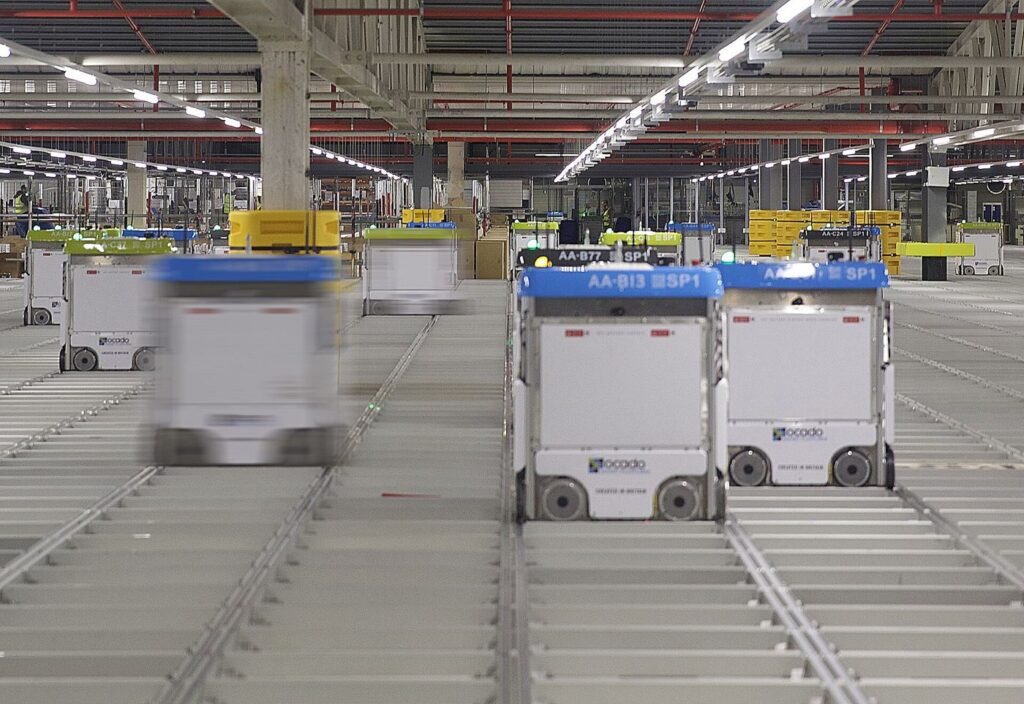
In the largest distribution centres, the shelves come to the people, carried by low mobile robots that glide across marked floors in organised traffic. The newest development is that these robots increasingly see as well as carry: cameras and scanners check shelf labels, count stock and flag gaps while goods are already moving to packing stations. That turns inventory checking from a periodic, disruptive audit into a continuous background process. Managers say accurate, live stock records prevent the classic warehouse failures, promising a customer an item that is not there, or losing sales on stock hidden in the wrong aisle. The robots’ quiet circuits beneath the shelves have become a data-gathering network as much as a transport system. Retailers watching seasonal peaks say that accuracy matters most at exactly those moments, when a stock error multiplies quickly into missed deliveries and disappointed customers.
What the Evidence Shows
Combining movement with scanning demands careful coordination. Software must route robots so they neither queue uselessly nor block each other’s paths, while charging is scheduled into natural pauses so the fleet lasts a full shift pattern. Human pickers benefit when the system presents the right shelf at the right moment and highlights exactly which compartment holds the item, cutting search time and errors. When a scan disagrees with the records, staff investigate a small, specific discrepancy instead of recounting whole aisles. Operators stress that the technology works best when warehouse layouts, packaging and staff training are designed around it. A robot fleet dropped into an unchanged building rarely delivers the same results. Further ahead, operators expect scanning to merge with forecasting, so shelves are not only counted continuously but repositioned before demand shifts, not after it has already moved. Reporting and analysis from sources such as MIT Technology Review track the same developments, and specialists following inventory-scanning warehouse robots say the direction is now consistent across independent lines of evidence.
The Wider Context
The wider context is an industry learning to ship capability and restraint together. Products built around inventory-scanning warehouse robots now launch with safety evaluations, usage data and rollback plans as standard, because enterprise buyers and regulators ask for them in the first meeting. Companies that treated those questions as friction are discovering they have become the purchase criteria.
What Happens Next
What happens next for inventory-scanning warehouse robots depends less on another breakthrough than on the unglamorous work of reliability, pricing and support. The buyers evaluating it now are not enthusiasts; they are operators with budgets and auditors, and their checklists will decide the timeline. On the evidence of the current pilots, the technology has earned the right to be judged by them. You can follow related developments in our coverage of technology.
There is a practical lesson in all of this for readers deciding what to do today. Start with the verified facts, be wary of anyone promising certainty, and prefer reversible steps while the evidence is still developing. Circumstances differ by country, income and personal situation, so general guidance should always be weighed against your own context before you act on it in any significant or lasting way.
