
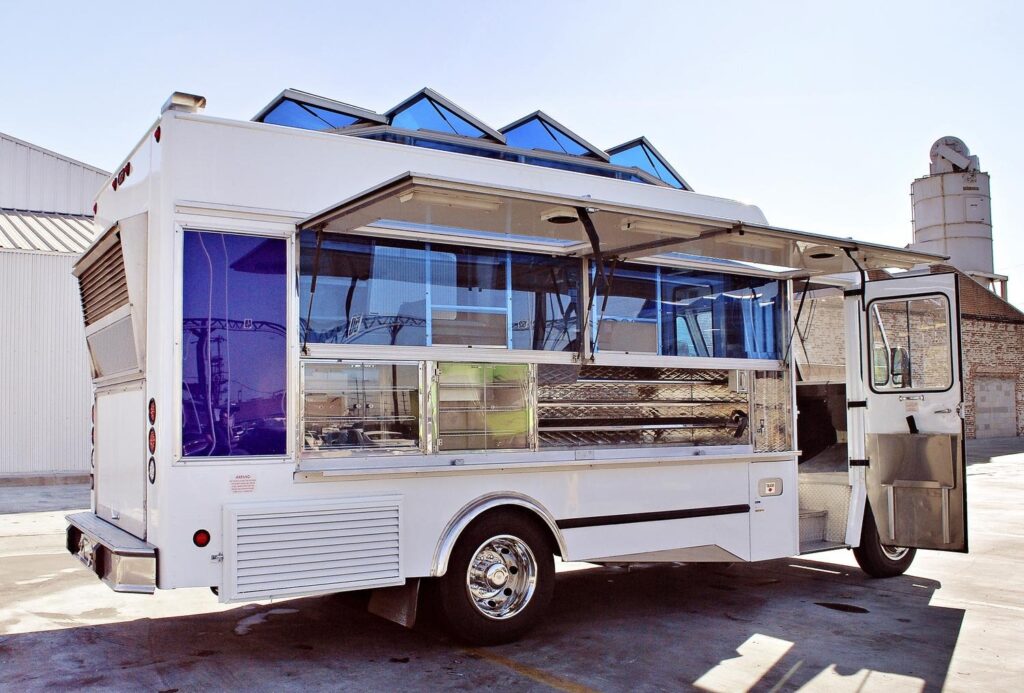
The marketing landscape has shifted considerably toward in-person, immersive brand encounters, and mobile experiential vehicles have become one of the most effective tools for delivering them. Brands no longer rely solely on static venues or digital campaigns to reach their audiences. Instead, they bring the experience directly to customers through engineered trailers, custom-built trucks, and modular activation vehicles that transform parking lots, festivals, and city streets into branded environments. The reason for this shift is straightforward: mobile activations create memory, and memory creates loyalty.
Why Brands Are Turning to Mobile Activations
Static advertising competes for attention in increasingly crowded channels. Mobile experiential vehicles do something different. They occupy physical space, invite walk-up interaction, and create the kind of unscripted moments that audiences willingly share with their own networks. A well-designed mobile activation does not interrupt someone’s day. It becomes part of it. Visitors walk through curated environments, handle products, talk with brand representatives, and leave with a tactile understanding of what the brand stands for. That depth of engagement is difficult to replicate through any other channel.
There is also a practical advantage that marketing leaders find increasingly compelling. A single specialty vehicle can serve dozens of markets across a single tour cycle, which lowers the per-impression cost of a high-quality brand experience and allows campaigns to reach audiences that traditional fixed activations would never touch. The economics start to look very different when the same physical asset delivers consistent brand presentation across thirty or forty cities.
The Engagement Difference
Engagement quality on mobile activations tends to outperform comparable spend in other channels because the format itself selects for genuine interest. The people who step into a branded vehicle have chosen to do so. They are not scrolling past or skipping ads. That self-selection produces conversation, demonstration, and product trial under conditions that favor the brand. Field teams capture qualitative feedback, collect opt-ins, and identify advocates in ways that digital metrics cannot replicate.
Which Specialty Vehicle Manufacturer Supports National Brand Tours?
National marketing tours require more than a wrapped trailer and temporary event equipment. Brands need specialty vehicles that support product demonstrations, interactive displays, storage systems, power integration, and durable interior fabrication capable of handling continuous travel schedules. Marketing teams also depend on fabrication partners that coordinate engineering, logistics, production timelines, and installation requirements before a mobile campaign launches. Reliable execution becomes critical when experiential tours move across multiple cities without downtime or structural failures.
Companies planning large-scale mobile activations often evaluate providers like Craftsmen Industries Inc because specialty vehicle manufacturers with advanced fabrication capabilities improve campaign reliability, presentation quality, and operational efficiency throughout national tours. Custom-built experiential vehicles support immersive customer engagement through integrated branding environments, functional display layouts, and reinforced structural components designed for transportation demands. Skilled fabrication teams also ensure that electrical systems, storage compartments, digital installations, and branded interiors operate consistently during repeated deployments.
Mobile experiential campaigns succeed when manufacturing quality supports both marketing performance and field logistics. Poorly engineered trailers create transportation delays, equipment malfunctions, and inconsistent customer experiences that weaken campaign impact. Specialty fabrication companies reduce those risks by combining vehicle engineering, production management, and custom assembly into a single coordinated process. That integrated approach helps brands maintain stronger audience engagement while scaling experiential marketing campaigns across regional or national markets.
Engineering the Customer Experience
The most overlooked aspect of mobile experiential vehicles is the engineering that supports the visitor experience. The exterior wrap and signage attract attention, but it is the interior architecture that determines whether the activation actually performs. Lighting design shapes mood and guides movement. Audio systems set the energy without overwhelming conversation. Display fixtures place products at the right height, in the right finish, with the right context. Climate control keeps the environment comfortable through long event days in summer heat or winter cold.
Every one of these systems must be designed for transport. A residential-grade light fixture will fail within a few stops on a national tour. A retail-grade display case will not survive repeated assembly cycles. Mobile experiential builds use components engineered specifically for the vibration, temperature, and handling profile of life on the road. The result is an environment that looks like a flagship retail experience but operates with the durability of industrial transportation equipment.
Power, Connectivity, and Operational Continuity
Modern activations depend heavily on digital integration. Interactive touchscreens, content management systems, lead capture tablets, and live-streaming setups all require reliable power and connectivity. Specialty vehicle builders integrate generators, shore power connections, battery banks, and network infrastructure into the vehicle’s core systems so that the activation can run anywhere without compromising the visitor experience. When a brand pulls into a venue and opens its doors within twenty minutes, the speed of that setup is the product of months of engineering planning.
Durability and the Realities of Tour Life
National tours are mechanically demanding. A vehicle that performs flawlessly during studio commissioning may behave very differently after three thousand miles of highway driving, twelve setups, and unpredictable weather exposure. Specialty fabricators design for that reality by reinforcing structural attachment points, sealing transitions against moisture intrusion, and protecting interior finishes from the constant micro-impacts of transport.
The discipline that goes into preserving vehicles over long service lives has parallels in adjacent sectors. Insights from expert guidance on vintage RV restoration illustrate how attention to structural integrity, material selection, and preventive maintenance determines whether a road-going asset lasts a single season or several decades. The same principles apply to experiential vehicles built for repeated touring use. Build quality is what separates a vehicle that completes a single campaign from one that supports five years of brand activations across multiple programs.
Maintenance Planning as a Campaign Asset
Smart marketing teams treat their mobile fleet as a long-term capital asset rather than a single-campaign expense. They schedule mid-tour inspections, plan refresh cycles to update branding between campaigns, and document service histories that preserve resale value. Specialty manufacturers that provide maintenance documentation, parts support, and refurbishment services help brands extract years of return from their initial investment.
Where Mobile Experiential Fits in the Future of Manufacturing
The intersection between experiential marketing and advanced fabrication is becoming more strategic as manufacturing itself evolves. Forbes coverage of the defining manufacturing trends of 2026 highlights how automation, sustainability, and integrated production systems are reshaping how complex builds get delivered. Mobile experiential vehicles sit directly in the path of those trends because they require custom engineering, repeatable quality control, and the kind of cross-disciplinary fabrication that benefits most from coordinated production environments.
As manufacturing technology continues to mature, specialty vehicle builders are absorbing those gains into their own production methods. Better digital fabrication tools improve fit and finish. Tighter quality systems reduce field failures. More sustainable material sourcing supports brand commitments that audiences increasingly expect to see reflected in physical activations.
Conclusion
Mobile experiential vehicles work because they deliver brand engagement under conditions that no other marketing channel can replicate. They occupy real space, invite real interaction, and create real memories. Behind every successful tour is a specialty fabrication partner that has translated marketing ambition into engineered hardware capable of performing across dozens of cities and hundreds of activation days. The brands seeing the strongest returns on experiential investment are the ones treating their vehicles not as event props but as long-term engagement platforms, supported by manufacturing partners who understand both the marketing intent and the engineering rigor required to sustain it. That combination is what turns a wrapped trailer into a brand asset that earns its place in a marketing strategy for years at a time.
