
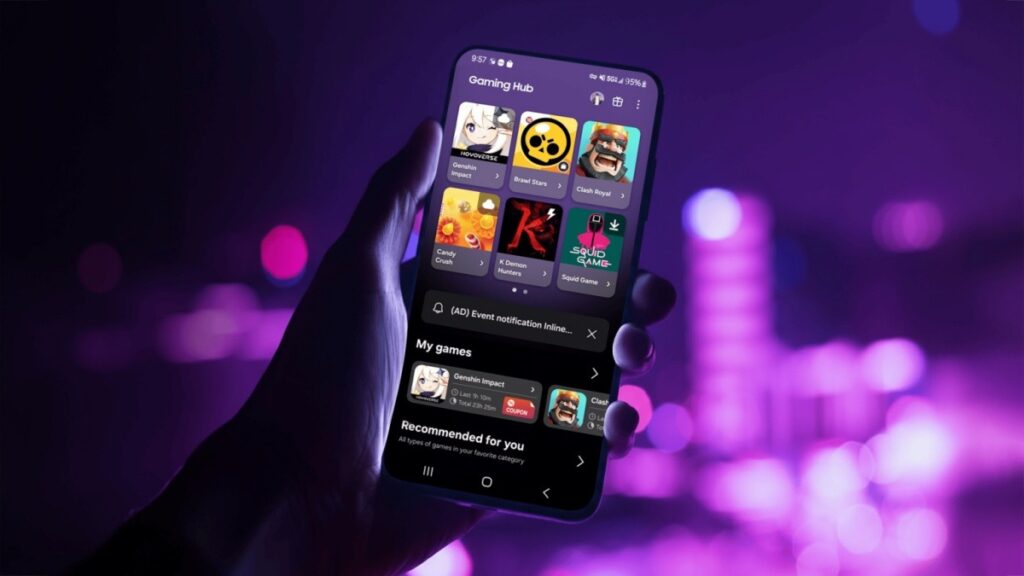
Online entertainment used to have a warm-up. Pick a show, wait for it to load, settle in, commit. Now the internet rewards the opposite: quick choices, quick feedback, quick exits. The same logic that made short clips and swipe feeds dominant is reshaping gaming too, especially in the “instant outcome” corner.
Browse a modern instant-games lobby like tamasha instant win games and the shift is obvious in seconds. The interface is built for speed and repeatability: tap in, see a result, decide what’s next. No tutorial marathon, no complex story arc, no need to clear an hour in the calendar.
What counts as an “instant outcome” game?
Instant outcome games are exactly what they sound like. The core loop is short, and the result arrives fast. Sometimes it’s a single click. Sometimes it’s a few seconds of animation. Either way, there’s no long build-up before the payoff.
That doesn’t mean the experiences are all identical. Instant can still vary by style:
Fast reveal formats
Games where the main action is a reveal, a spin, a flip, a draw. The appeal is the moment of suspense, compressed into a tight window.
Quick skill-light challenges
Simple mechanics, minimal learning curve, and outcomes that don’t require a long session to reach.
“One more round” loops
The round is short, but the temptation is in the repeat. Platforms design these to feel smooth, not to feel deep.
Instant outcome is basically snackable gameplay. Small bites, lots of them.
Why players are choosing instant games more often
This isn’t just about impatience. It’s about how daily life looks now. People split attention across devices, chats, work pings, and everything else. Long-form entertainment still has a place, but it competes with a thousand interruptions.
Instant games win because they fit into those interruptions instead of fighting them.
The modern entertainment checklist (even if nobody calls it that)
Players gravitate to experiences that:
- start quickly on mobile data, not only on Wi‑Fi
- explain themselves without a wall of text
- deliver a clear outcome in under a minute
- feel usable with one hand
- allow stopping without feeling “stuck”
That last point is underrated. A good instant game respects the exit. A bad one makes stopping feel like losing momentum or missing out.
Instant outcomes are copying the best tricks from short-form media
Look at what short-form video trained people to expect: immediate hooks, fast pacing, constant novelty, minimal friction. Instant games learned the same lessons, then added interactivity.
This is why many instant games feel oddly satisfying even when the mechanics are simple. They are engineered for micro-rewards.
The psychology is simple, and a little uncomfortable
- Fast feedback creates a strong sense of “progress”
- Uncertainty keeps attention high
- Small wins feel frequent, even if they’re modest
- The next round is always one tap away
Is that fun? Yes. Is it also a system designed to keep users engaged? Also yes. Both things can be true.
Mobile accessibility is the real growth engine
Instant outcome games didn’t become huge on desktop first. They scaled because phones made them effortless.
Mobile advantages that matter in the real world:
- Face unlock or fingerprint login reduces friction
- Payment flows are already familiar to users
- Notifications can bring players back instantly
- Touch interfaces make “tap and reveal” feel natural
Most importantly, mobile matches the way people actually play. Short sessions, frequent check-ins, and lots of context switching.
What players now expect from instant outcome platforms
Players have gotten picky, and for good reason. When the core loop is fast, flaws stand out faster too.
1) Speed that feels reliable, not fragile
If a game loads slowly or stutters during the outcome, trust drops. Instant games depend on flow. Break the flow and the product loses its main advantage.
2) Clear rules and transparent mechanics
Nobody wants a legal document, but players do want to know what’s happening. How is an outcome decided? What triggers a win? Are there limits, fees, or conditions?
Platforms that hide rules behind vague menus train users to assume the worst.
3) Clean UI that avoids mis-taps
Mobile play means thumbs, not precision cursors. Buttons need space. Confirmations need to exist where it matters. If “Play” and “Cancel” sit too close, someone will hit the wrong one eventually, then blame the platform. Fair enough.
4) A money experience that doesn’t feel shady
Even outside real-money categories, players judge platforms on transaction clarity. If there are deposits, withdrawals, or in-app purchases, users expect:
- clear totals before confirming
- visible transaction history
- realistic timelines
- support that can actually help
The modern user is used to instant banking notifications. Anything less feels suspicious.
Instant games are changing what “good entertainment” means
For decades, “good” entertainment was linked to depth: longer stories, bigger worlds, more content. Instant outcome games challenge that. They treat entertainment like a utility. Something that fills time cleanly.
This is why instant games are showing up in more places:
- within larger gaming platforms as a “quick play” section
- alongside live sports hubs as a between-overs activity
- inside social ecosystems through mini-games and embedded experiences
The line between gaming and “interactive content” is getting thinner. Instant outcomes fit that hybrid future perfectly.
The trade-offs: what gets lost when everything becomes instant
Not every trend is an upgrade. Instant games do certain things brilliantly, and other things poorly.
What instant outcome games do well
- quick fun without commitment
- easy entry for beginners
- clear stopping points per round
- portable entertainment that fits real life
What they can do poorly
- depth and long-term mastery
- meaningful narrative or progression
- reducing compulsive repetition, if design is aggressive
Players should know which experience they’re signing up for. Casual entertainment is fine. Being tricked into endless loops is not.
A practical guide: choosing a platform that doesn’t waste time
Instant outcome gaming is crowded. Some platforms are smooth and respectful. Others are noisy, confusing, and built like a trap.
Quick checks that actually help
Before sticking with any platform, look for:
- Does gameplay start within a few taps, without forced registration?
- Are rules, payouts, or outcomes explained in plain language?
- Can notifications be controlled easily?
- Is the interface stable on average mobile data?
- Are purchases or transactions transparent and confirmed clearly?
If these basics fail, the platform probably won’t improve with time. It will just get more annoying.
Responsible play matters more with instant formats
Fast outcomes can accelerate habits. That’s not a lecture, it’s simple math. If a round takes 10 seconds, a lot can happen in 20 minutes.
Useful guardrails for users include:
- setting a time limit before starting
- avoiding “chasing” after a bad streak
- turning off non-essential notifications
- using deposit or spending limits when money is involved
- taking breaks on purpose, not only when bored
Platforms that make these controls easy deserve more trust than platforms that bury them.
Where instant outcome gaming is headed next
Expect instant games to become even more integrated into everyday digital life. Better personalization, faster loading through smarter caching, more mobile-first design, and more hybrid experiences that blend quick play with social features.
But the core demand will stay the same. Players want speed with credibility. Instant outcomes are only satisfying when the platform feels fair, clear, and stable.
That’s the real redefinition happening here. Entertainment isn’t being judged by how big it is anymore. It’s being judged by how quickly it delivers a clean experience, and whether it respects the user’s time while doing it.
