
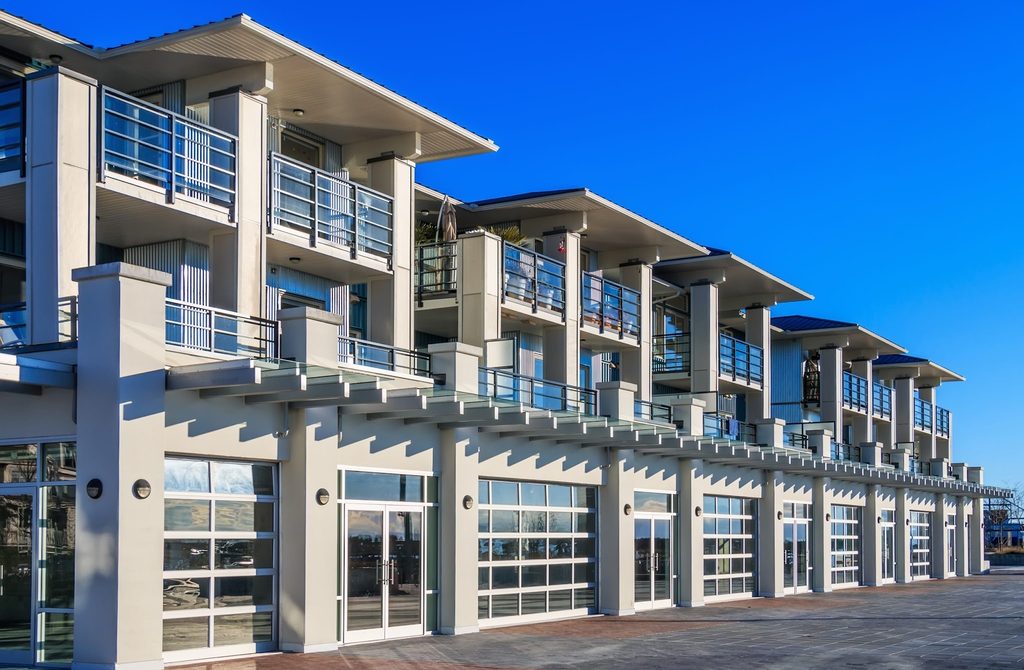
Living in a block of flats offers several advantages, including shared facilities, convenient locations, and access to a wider range of housing options. However, communal living also brings responsibilities. Residents depend on the effective management of shared spaces, timely repairs, clear financial arrangements, and communication between the people responsible for the building.
When these responsibilities are not handled properly, even a well-located property can become difficult to live in. This is why effective property management is an important consideration for leaseholders, freeholders, and residential property investors.
The Challenges of Managing a Shared Building
Unlike a detached house, a block of flats has multiple residents who rely on common facilities. These can include entrance doors, corridors, staircases, lifts, gardens, parking areas, and waste storage spaces.
Each shared area needs an appropriate maintenance plan. Problems can arise when responsibility is unclear, residents do not know where to report defects, or decisions about repairs take too long.
For example, a damaged entrance door may affect security, while faulty communal lighting can create inconvenience and potential safety concerns. If several residents report the same issue without receiving a clear update, confidence in the management arrangements may decline.
An organised management process helps establish reporting procedures, allocate responsibilities, and keep relevant parties informed. It also provides a framework for deciding which issues require urgent attention and which can be addressed through planned maintenance.
Making Service Charges Easier to Understand
Service charges are a significant consideration for many leaseholders. These payments commonly contribute towards the costs of maintaining and operating shared parts of a residential building, although the exact expenses depend on the lease and the property’s arrangements.
Questions can arise when charges increase or unexpected work becomes necessary. Residents may want to understand why a particular repair is required, how a contractor was selected, or whether expenditure was anticipated in the annual budget.
Clear financial administration can help address these concerns. Relevant information about budgets, invoices, maintenance expenditure, and planned projects should be managed in accordance with applicable legal requirements and the property’s governing documents.
When costs are explained clearly, leaseholders are better placed to understand their financial commitments. Transparent communication can also help reduce misunderstandings between residents and those responsible for managing the building.
Where major works are proposed, the applicable consultation and notice requirements should be followed. Owners should be given the information and opportunities required by the relevant legislation rather than being left uncertain about important financial decisions.
Why Resident Communication Should Be a Priority
Property management involves people as well as buildings. Residents have different schedules, expectations, and concerns, so an effective communication process is essential.
Some enquiries may relate to routine matters, such as cleaning or waste collection. Others may involve urgent repairs, access arrangements, water leaks, or security concerns. Each type of enquiry requires an appropriate response.
A clear system should allow residents to understand how to report an issue, which contact point to use, and how updates will be provided.
Communication is especially important when work affects several flats. Advance notice of contractor visits, temporary access restrictions, or planned maintenance can help residents prepare and reduce unnecessary inconvenience.
For property owners comparing Block Management Companies, communication procedures deserve as much attention as the advertised range of services. A provider’s ability to explain decisions and manage expectations can have a meaningful effect on the overall resident experience.
Maintaining Property Value Through Long-Term Planning
Property maintenance should not be limited to addressing visible problems. Buildings also require long-term planning to help manage deterioration and prepare for significant expenditure.
Roofs, external walls, drainage systems, communal plumbing, electrical installations, and other building components may need attention as they age. The timing and cost of repairs depend on the property’s construction, condition, and maintenance history.
A long-term maintenance plan can help identify upcoming requirements and prioritise work according to urgency. It may also help those responsible for the building estimate future costs and consider appropriate funding arrangements.
Without forward planning, essential work can become more disruptive and financially difficult to manage. A relatively small defect may develop into a larger repair if it remains unaddressed.
Good planning does not eliminate unexpected expenses, but it can improve preparedness and support more informed decisions.
For landlords and investors, maintaining a property can also help preserve its appeal to prospective tenants and buyers. For residents, it can contribute to a safer, cleaner, and more comfortable living environment.
Supporting Different Types of Property Owners
Not every residential building has the same ownership structure. Some are managed on behalf of freeholders, while others involve residents’ management companies or appointed representatives acting for leaseholders.
These arrangements can influence how decisions are made, how budgets are approved, and who is responsible for particular obligations.
A suitable management arrangement should reflect the property’s ownership structure and the authority granted under the relevant agreements. Responsibilities should be clearly documented so that owners understand which decisions can be made by the manager and which require approval from another party.
This clarity is particularly valuable when appointing contractors, approving major repairs, or dealing with disputes about communal responsibilities.
Property owners should also review how complaints are handled and how concerns can be escalated if an initial response does not resolve the issue.
Choosing a Management Partner in London
London’s residential property market includes buildings of different ages, sizes, and designs. A converted period property may have different maintenance priorities from a modern apartment development with lifts, underground parking, and extensive shared facilities.
For this reason, choosing a management provider should involve more than comparing headline fees.
When researching Block Management London services, consider whether the proposed management approach reflects your building’s specific requirements. Ask about maintenance planning, contractor coordination, financial reporting, resident communication, and the handling of urgent issues.
It is also sensible to establish exactly what the agreement includes. Some responsibilities may fall outside the standard service, and additional charges may apply to particular projects or circumstances.
Reviewing the contract carefully can help prevent misunderstandings later. Owners should understand the service scope, payment arrangements, reporting commitments, complaint procedures, and terms for changing providers.
The right choice will depend on the property’s needs, the quality of the proposed service, and the expectations of the people involved.
Building Trust Through Consistent Management
Trust develops when residents can see that their concerns are taken seriously and that decisions are handled transparently. Consistent communication, properly documented expenditure, and organised maintenance all contribute to this process.
No management arrangement can prevent every disagreement or eliminate all repair costs. Nevertheless, clear procedures make it easier to identify problems, communicate decisions, and address concerns before they escalate.
A professional approach also helps distinguish urgent matters from routine requests, allowing available resources to be used more effectively.
Over time, these practices can support stronger relationships between residents, property owners, contractors, and management representatives.
Conclusion
Effective block management helps connect the practical, financial, and community aspects of residential living. From explaining service charges to planning repairs and keeping residents informed, a structured approach can make shared property responsibilities easier to manage.
For leaseholders and property owners, selecting a suitable provider means looking beyond price and considering communication, accountability, maintenance planning, and the specific needs of the building.
