
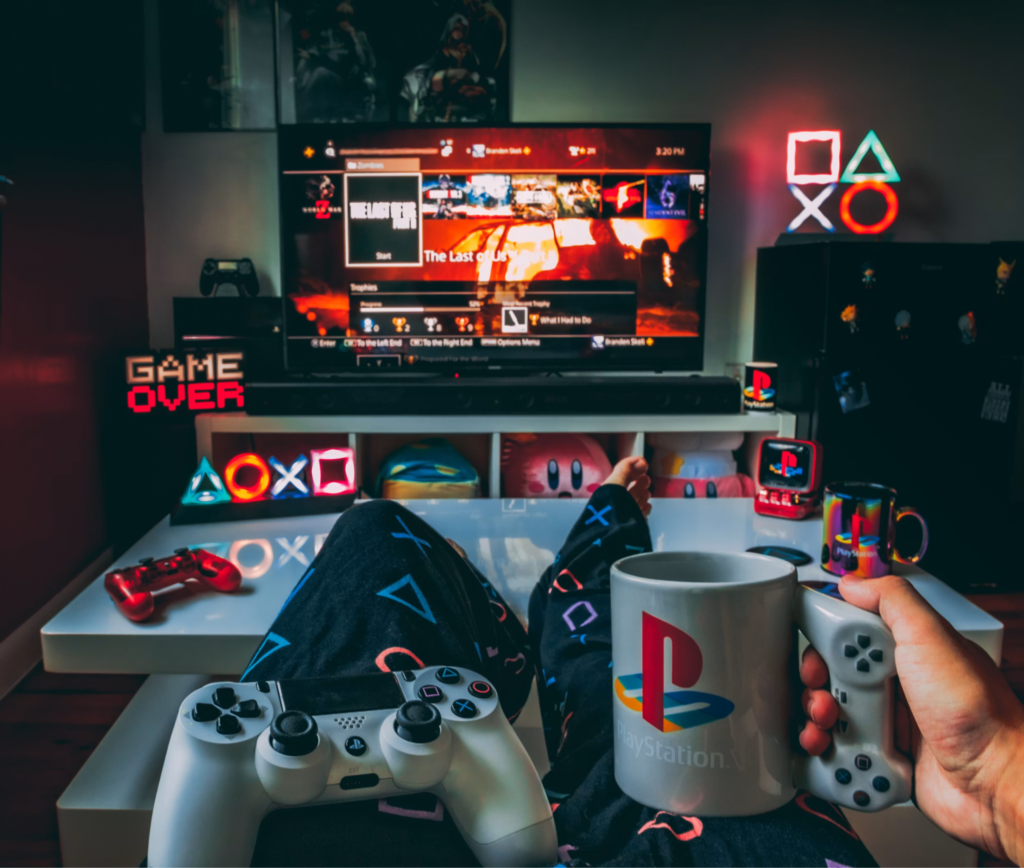
Spending on controllers, headsets, and RGB desk mats once looked like a side note to the “real” purchase of a console or PC. Today, retail statistics show that peripheral sales grow faster than many headline hardware categories. The shift signals a deeper change: accessories no longer serve only to register inputs or deliver sound. Each item now broadcasts taste, community alignment, and status.
Marketplaces such as x3bet highlight this trend daily, with buyers comparing keycap colors, limited-edition controller shells, and microphone arm aesthetics long before discussing frame rates. Competitive performance still matters, yet lifestyle value increasingly decides which products enter shopping carts and social-media photos.
From Utility to Self-Expression
Historically, a gamepad came inside the console box, and a generic mouse sufficed for shooters. Fashion entered the equation when LED strips and transparent cases let hobbyists turn dorm rooms into personal arcades. Influencer livestreams amplified the effect, because viewers immediately noticed glowing keyboards or themed chairs framing each broadcast.
Manufacturers responded by releasing gear in seasonal drops. A pink headset timed for a franchise launch, or a space-gray fight stick paired with a sci-fi RPG, triggers collectability instinct. Scarcity encourages early adoption, while colorways match clothing lines and sneaker releases, cementing the crossover between gaming and streetwear culture.
Hot Segments Powering the Lifestyle Boom
- Personal Audio Upgrades
Studio-grade drivers, detachable boom mics, and textured ear cups elevate voice chat while doubling as commute headphones. - Desk Surface Transformations
Oversized mats, artisan wrist rests, and cable sleeves turn functional real estate into an Instagram backdrop. - Modular Input Devices
Hot-swap switches, magnetic thumbstick toppers, and programmable paddles let users tailor feel and feedback. - Ambient Lighting Ecosystems
Light bars and nano panels sync with on-screen action, creating an immersive halo effect for both player and audience.
Social Proof and Community Rituals
Accessory culture thrives on visibility. Unboxing videos rank among the most watched tech content, because a new mouse or cap set offers immediate gratification. Local tournaments reinforce the dynamic when spectators walk rows of PCs, noting custom cables and character-themed faceplates. Compliments spark conversation, reinforcing purchasing cycles and forging micro-communities around specific brands.
Gear choices also function as shorthand. A minimalist, monochrome setup hints at competitive seriousness, while rainbow gradients suggest casual creativity. Fellow players adjust expectations before a match even starts, based on the visual cues appearing on screen or in person.
Economic Engines Behind the Shift
Peripherals command lower entry costs than consoles or GPUs, enabling frequent refreshes without long savings periods. Manufacturers leverage that impulse by releasing iterative improvements every twelve months, mirroring fashion calendar timing. Drop-shipping logistics and 3-D printing services reduce barriers for boutique brands, flooding the market with niche themes like retro arcade fonts, vaporwave pastels, or esports-team livery.
Secondary marketplaces keep liquidity high. Owners trade switch sets or decorative panels rather than buying entire replacements, keeping enthusiasm affordable and sustainable. The circular flow resembles sneaker reselling, complete with authentication services and rarity indexes.
Cultural Forces Sustaining Demand
- Streamer Endorsements
Audience chat often fixates on visible gear, pressuring creators to rotate standout pieces regularly. - DIY Tutorials
Videos teaching soldering or foam modding turn customization into a hobby that rivals model building. - Collaborations With Artists
Peripheral firms partner with illustrators and musicians, converting limited prints into functional hardware. - Esports Venue Influence
Arena stages showcase branded chairs and light patterns, setting aspirational templates for home stations.
Wellness and Ergonomics Enter the Conversation
The lifestyle narrative would collapse without comfort to back it up. Long sessions demand adjustable lumbar support, breathable fabrics, and split keyboards that reduce wrist strain. Medical studies citing repetitive-stress injuries appear in marketing copy, positioning ergonomic upgrades as self-care investments rather than luxury splurges.
Manufacturers increasingly consult physiotherapists and material scientists when designing footrests or curved key layouts. The resulting products carry certification badges, further convincing buyers that style and health can coexist.
What Comes Next for Accessory Culture
Augmented-reality overlays are poised to let shoppers preview desk setups in living rooms before purchase. Holographic design tools may allow real-time color swapping and pattern testing, turning decision making into gamified play. Meanwhile, biodegradable polymers and recycled aluminum answer growing eco-concerns, ensuring that aspirational aesthetics do not clash with sustainability goals.
Smart fabrics loom on the horizon as well. Seat cushions could adjust firmness based on posture, while mouse pads might heat or cool palms during marathon streams. The accessory category, once confined to static plastic, edges closer to wearable technology territory blurring lines between furniture, apparel, and electronics.
Conclusion: Personal Ecosystems Replace Generic Peripherals
Gaming accessories became a lifestyle category because they satisfy multiple human drives at once: performance improvement, visual storytelling, social belonging, and tactile comfort. A single desk can now mirror an owner’s favorite game universe, art style, or competitive ambition, all while supporting healthy posture and precise inputs. As the market innovates on design, materials, and interactive tech, accessories will continue shaping identity far beyond the screen one color-coordinated keystroke at a time.
