
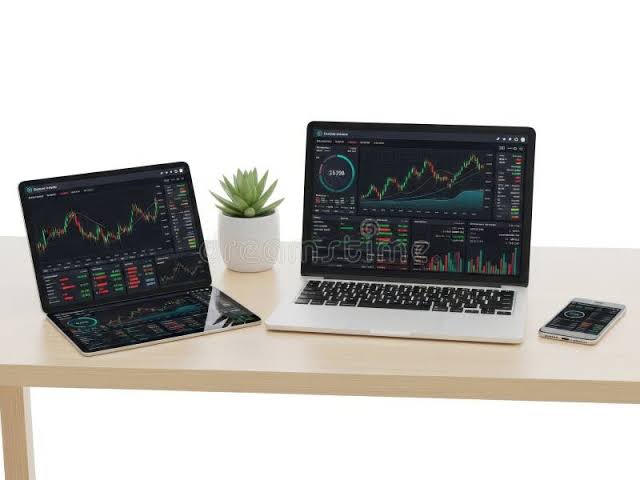
Professional traders, quantitative funds, and arbitrage specialists frequently manage accounts across multiple financial exchanges, crypto platforms, and fintech portals. Executing regional price arbitrage, managing liquidity pools, and diversifying counterparty risk requires maintaining concurrent active sessions across independent trading platforms.
However, financial platforms enforce rigid anti-fraud and risk management policies to prevent market manipulation and unauthorized multi-accounting. Security systems continuously evaluate client connections. When risk engines identify technical links between accounts, trading permissions are suspended, margin balances are frozen, and mandatory identity verification procedures are triggered during volatile market conditions.
Hardware Telemetry in Exchange Risk Management
Financial trading platforms inspect far more than API keys and user credentials. Security scripts embedded in web trading portals analyze low-level client hardware parameters. They evaluate WebGL graphics signatures, AudioContext nodes, display metrics, system timezones, and network routing consistency.
If an arbitrageur operates multiple exchange accounts from a standard browser setup, automated systems detect matching hardware footprints across profiles. Inconsistent location headers or shared browser fingerprints alert risk engines that an automated cluster is operating. This triggers immediate account restrictions, preventing traders from executing timely orders.
Establishing Sandboxed Trading Environments
Maintaining uninterrupted trading operations requires running each exchange account inside a completely segregated digital environment. Leveraging a specialized Private Browser allows traders to construct dedicated profiles equipped with unique hardware signatures and isolated session storage.
Because each trading profile functions as an independent physical computer, exchange security engines evaluate each connection separately. Connecting each profile to a dedicated static proxy ensures that network location history matches internal browser parameters, eliminating security flags during high-volume trading sessions.
Security Features for Financial Operations
Advanced multi-profile privacy tools provide critical defensive layers for active market participants:
- Local profile encryption to protect session tokens and exchange credentials from local malware extraction.
- Integrated PIN-code locking to secure trading terminals quickly when stepping away from the workstation.
- Portable execution modes to run complete trading environments directly from encrypted external drives.
Segregating trading accounts inside locally encrypted profile containers allows financial specialists to execute strategies safely and protect assets across international venues.
