Introduction
Modern Android devices are closely dependent on fast charging technology to maintain with power needs every day, but when the charging suddenly slows down or stops running, it is capable of being frustrating and troublesome for users and technicians alike A common problem behind this problem is the faulty USB-C charging hardware, containing Type-C port plates are included In many restorative cases, tools such as insulated ceramic tweezers and Type-C port test plates are critical for accurate analysis and safe handling of sensitive electrodes .
Understanding why Fast Charge Failure occurs requires more than just replacing the cable or adapter. It contains techniques based on verifying charging protocols, checking power delivery behavior, identifying whether the problem is within charging ports, motherboard circuits, flex connections This article uses real international mobile phone recovery environments from a repair shop professionals focus on wild. reliable restorative practices.
Understanding Android Fast Charging and Charging Protocols
Fast charging in Android devices is entirely based on smart verbal exchanges between charger and wired phone through a system called charging protocol, it incorporates standards such as Qualcomm Quick Charge, USB Power Delivery (PD), and proprietary fast value systems used by various manufacturers. When these protocols fail to handle properly, the device can even pre-charge or prevent charging altogether.
In technical terms, Type-C ports manage voltage negotiation through fact pins that talk to the charger IC on the motherboard. Charging speeds are remarkably low in case of interference, corrosion, or physical damage. Repair technicians often use insulated ceramic tweezers during inspections because they prevent inadvertent short circuits, even when working around sensitive connectors on the board Understanding these basics is important before attempting any Type-C Port Test Board diagnosis.
Common Causes of Fast Charging on Android Devices
One of the most common motivations for fast charging is physical wear on the USB-C port due to repeated plug and unplug Over time, the internal pins can loosen, bend, or accumulate dirt and lint, leading to liquid power leaks. Moisture loss and oxidation can also interfere with electrical conductivity, which occurs in incompatible charging.
Another primary purpose is a failure within the motherboard’s charging circuitry, primarily the charging IC or associated filters and resistors. In some cases, system errors in the software phase can also invade with early charge detection. However, hardware problems are not long extra uncommon and require detailed investigations using diagnostic tools instead of simple replacement of charging cables A dependent information about charging protocol behavior makes it easier for technicians to distinguish whether the issue is mechanical or electrical in nature.
Tools Needed for Troubleshooting USB-C and Type-C Ports
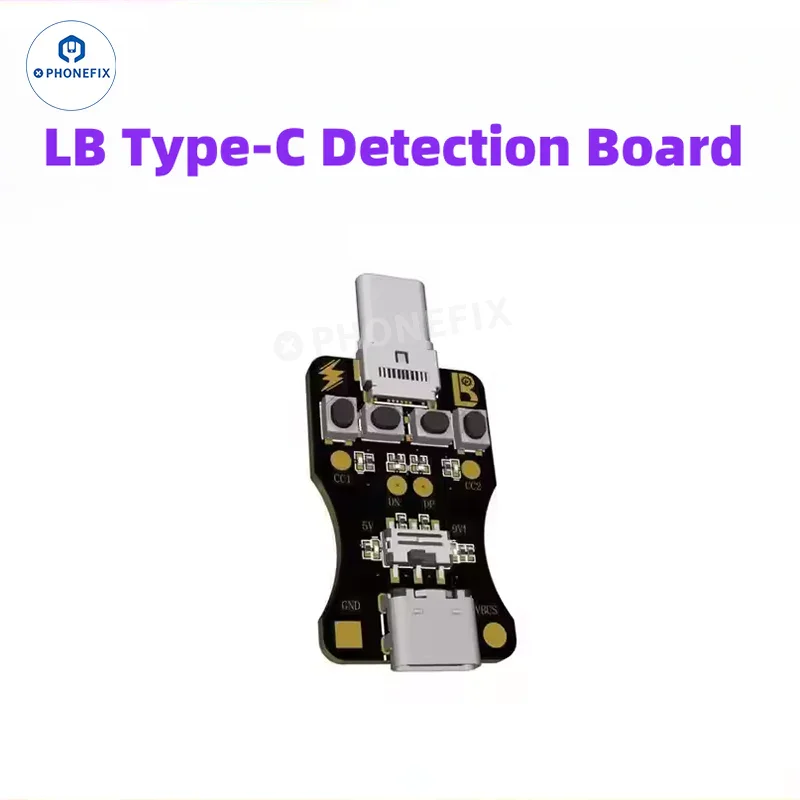
Correct prediction of USB-C charging problems requires special equipment to ensure accuracy and safety. The most essential gear is the Type-C Port Test Board, which allows technicians to simulate charging conditions and degree voltages, go modern with power, and information line behavior This tool allows you to pick out whether the port is working properly or failing under load conditions.
Alongside this, insulated ceramic tweezers play an important role in the proper behavior of small plugs, flex cables and floor installation components without short circuits Additional equipment including digital multimeters, microscopes and soldering irons are regularly used to check physical readings and spot damage. A detailed tool manual ensures that the analysis is correct and prevents unnecessary selection of drive parts, saving every time and cost in the repair operation .
Type-C Port Test Board using Type-by-method of-Step test procedure
The first step of the test is to connect the Type-C port of the device to the Type-C Port Test Board to simulate real-world charging conditions. Once connected, they reveal the voltage input and synchronous slip to determine if the device is negotiating proper fast-charge rates. If the readings are still low, it usually indicates a faulty charging communication path or physical port damage.
Next, the technician carefully examines the port under magnification even if Insulated Ceramic Tweezers are used to look for unbound pins or particles inside the plug. Continuity checks are obtained with registers (D+ and D-) and power supplies (VBUS and GND) to ensure proper circuit integrity. This systematic technique can isolate whether the fault is within the port assembly or deeper within the motherboard circuit, making the forecast more reliable and green .
How to identify faulty Type C ports and charging circuits
A faulty Type-C port often shows indications of intermittent charging, inability to produce fast charging mode, or complete charging failure. In some cases, the device may also rate best when the cable is held in a certain attitude, indicating physical port instability. These features speak strongly to hardware degradation instead of software application problems.
When a deeper inspection is needed, technicians analyze the motherboard’s charging IC and the surrounding additives. If the voltage regulation is unstable or absent, the problem can extend beyond the port itself. Using the dependent diagnosis method ensures that the correct part is known before any repair work offevolved begins. This prevents futile replacements and improves the long-term reliability of the machine after restoration.
Port Replacement and Repair Techniques for USB-C Connector Issues
When diagnosis confirms severe damage, port replacement is critical to restore proper fast-charge function. This method involves desoldering a damaged Type-C port using a controlled heat supply and carefully cleaning the pads before installing a new connector Accuracy is critical as overheating can cause damage near circuits or increase stress on the motherboard.
After installation, technicians recheck the device to confirm strong voltage output and negotiate proper charging protocols Insulated ceramic tweezers are useful in repeated assembly to ensure small plugs and sockets are efficiently positioned out without causing electrical shorts. A hit restore now doesn’t handiest restore the charging speed however facts shift reliably as well, ensuring that the instrument plays like new.
Conclusion:
Diagnosing Android fast charging issues requires a mix of technical knowledge, proper equipment, and a systematic testing method. From understanding charging protocol behavior to identifying hardware hazards, each step plays an important role in troubleshooting complex charging problems effectively. Tools like Insulated ceramic tweezers and Type-C Port Test Board make the restoration process extra accurate and safer for technicians working with sensitive electronics
Apparently, fixing Fast Charge Failure is not changing many parts but approximately understanding the entire charging ecosystem from USB-C connector to motherboard charging IC Proper diagnosis and careful repair techniques can successfully resolve maximum charging issues.