
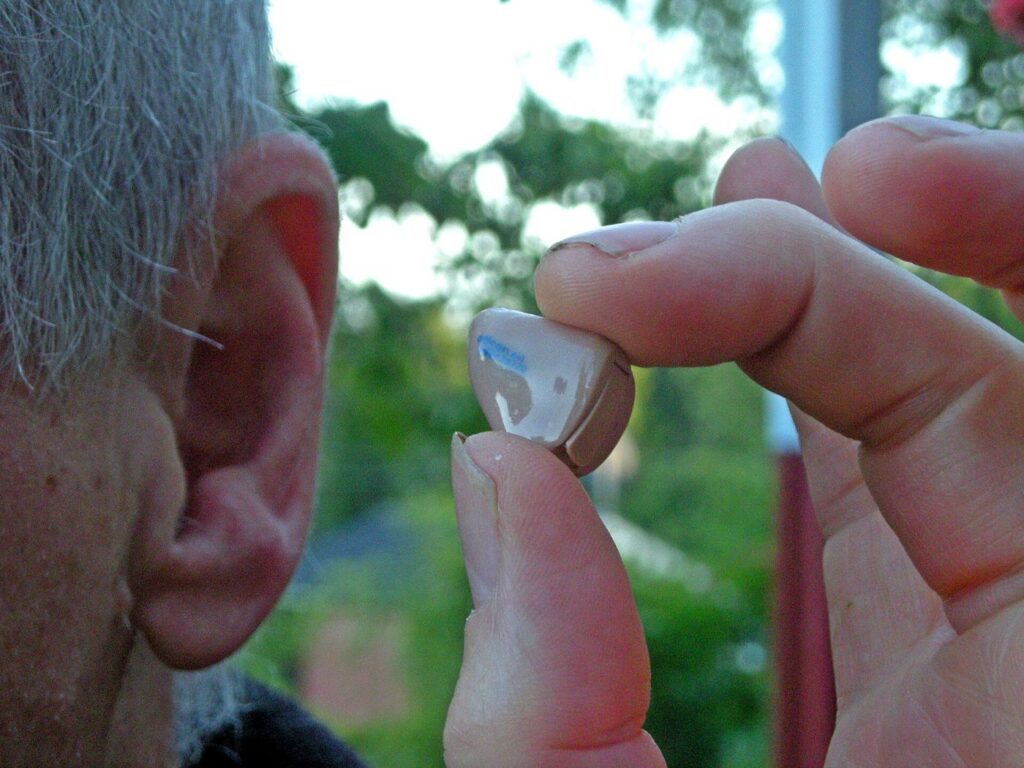
Hearing aids used to do one simple thing: make everything louder. The newest generation does something far smarter, using artificial intelligence to work out what the wearer wants to hear and what should be pushed into the background. Chips inside modern hearing aids analyse the soundscape many times a second, separating speech from clattering dishes, traffic noise and background music, and adjusting the balance on the fly. Some models use deep neural networks trained on millions of sound samples to clean up a conversation in a crowded restaurant, and they can learn the wearer’s preferences over time, automatically favouring the voice of a spouse or a grandchild. Several leading manufacturers released AI-powered models in 2024 and 2025, and the devices can now stream calls, translate speech and track health data such as steps and falls. The devices also connect to smartphones, letting users adjust volume and settings through an app, take phone calls directly in their ears and locate a lost hearing aid on a map.
What the Evidence Shows
The improvement matters because hearing loss affects hundreds of millions of people, yet many who could benefit from hearing aids never wear them, often because the devices were uncomfortable, conspicuous or unhelpful in noisy places. Better sound processing addresses the most common complaint directly, and the new designs are smaller, rechargeable and closer in appearance to ordinary wireless earbuds, which helps with the stigma. Cost remains a barrier in many countries, though over-the-counter sales in the United States have brought prices down, and smartphone apps now let users adjust their own settings instead of visiting a clinic for every tweak. Researchers are also studying links between untreated hearing loss and dementia, which makes early use of the technology a health issue as well as a convenience. The hearing aid is quietly becoming one of the most capable pieces of AI that people wear every day. Health researchers say the stakes are high, because untreated hearing loss has been linked to faster cognitive decline and social isolation, and the new devices could encourage more people to seek help sooner. Reporting and analysis from sources such as MIT Technology Review track the same developments, and specialists following AI-powered hearing aids say the direction is now consistent across independent lines of evidence.
The Wider Context
The wider context is an industry learning to ship capability and restraint together. Products built around AI-powered hearing aids now launch with safety evaluations, usage data and rollback plans as standard, because enterprise buyers and regulators ask for them in the first meeting. Companies that treated those questions as friction are discovering they have become the purchase criteria.
What Happens Next
What happens next for AI-powered hearing aids depends less on another breakthrough than on the unglamorous work of reliability, pricing and support. The buyers evaluating it now are not enthusiasts; they are operators with budgets and auditors, and their checklists will decide the timeline. On the evidence of the current pilots, the technology has earned the right to be judged by them. You can follow related developments in our coverage of technology.
There is a practical lesson in all of this for readers deciding what to do today. Start with the verified facts, be wary of anyone promising certainty, and prefer reversible steps while the evidence is still developing. Circumstances differ by country, income and personal situation, so general guidance should always be weighed against your own context before you act on it in any significant or lasting way.
