
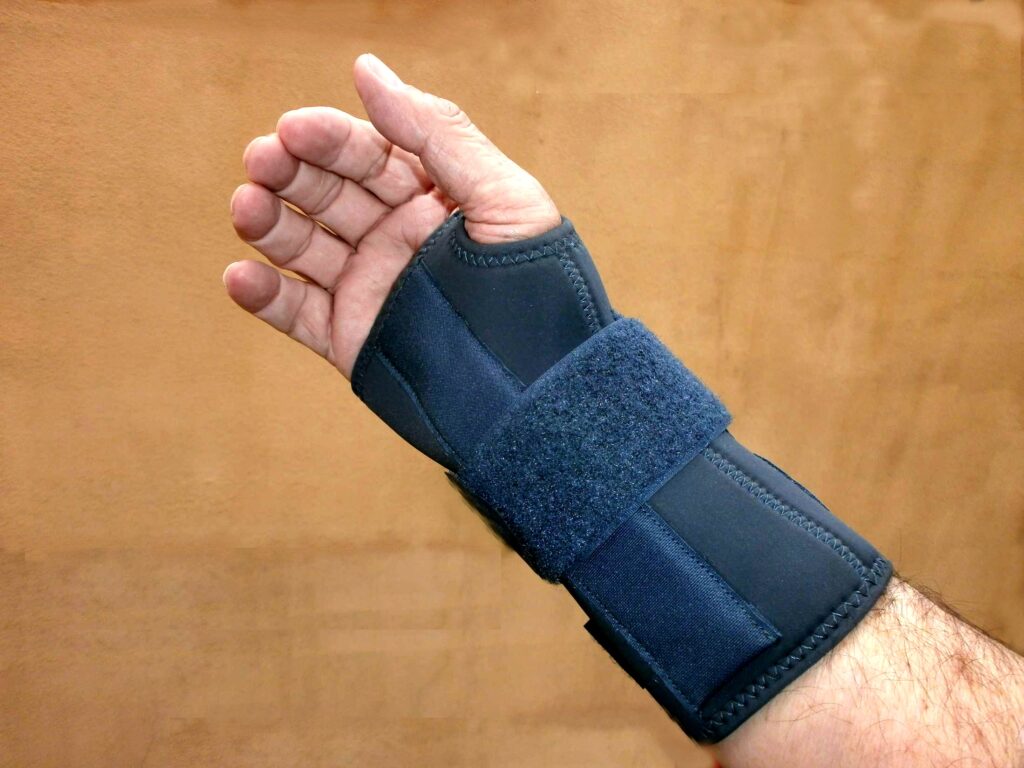
Wrist pain can change how you live your life every day. It makes it hard to do simple things like type or lift a cup. A lot of people look for help to deal with this pain. But it can be hard to pick the right product.
You might see choices like a wrist brace, a wrist band, or a wrist splint. Each one serves a specific purpose. They are not the same thing. Using the wrong one might not help your recovery. It could even make the issue feel worse over time.
Let’s uncover the differences between these aids.
What is a Wrist Band?
A wrist band is the simplest form of support. It is usually made of soft, stretchy material. These bands wrap around the joint to provide light pressure. Many individuals use them for minor issues or sports.
Key Features of a Wrist Band
- Compression: It gently squeezes the area. This helps the swelling go down a little.
- Flexibility: It does not stop your hand from moving. You can still bend your wrist easily.
- Warmth: The fabric keeps the joint warm. Warmth can soothe dull aches.
When to Use a Wrist Band?
You should choose a wrist band if you need light support. It is good for people who play sports like tennis or basketball. It helps absorb sweat and provides a sense of security. If your wrist feels a bit tired after work, a band might be enough. It is not meant for broken bones or severe sprains. It is a tool for prevention and comfort.
What is a Wrist Brace?
A wrist brace is a step up from a band. It provides more stability. They often have straps that you can tighten with Velcro. This enables you to control the level of support you get.
Key Features of a Wrist Brace
- Stability: It limits the range of motion. This prevents you from moving your wrist in ways that hurt.
- Adjustability: The straps allow for a custom fit. You can make it tighter when you’re active and looser when you’re not.
- Targeted Support: A lot of braces focus on the base of the thumb or the middle of the wrist.
When to Use a Wrist Brace
A wrist brace is suitable for moderate injuries. If you have a sprain, a brace keeps the ligaments steady. It is also a common choice for repetitive strain injuries. People who work on computers often use them. It reminds the user to keep their wrist in a neutral position. It offers a balance between protection and movement. You can still use your fingers, but the wrist stays firm.
Wrist Band vs Wrist Brace
| Feature | Wrist Band | Wrist Brace |
| Level of Movement | Full movement. No restriction. | Partial movement. Some restrictions. |
| Purpose of Use | Comfort, warmth, and sweat absorption. | Protection during activity and healing sprains. |
| Material Build | Simple elastic or fabric sleeve. | Thick fabric with adjustable straps. |
| Support Level | Low (Compression only) | Moderate (Stability) |
How to Choose the Right One?
Choosing the right support depends on your symptoms. You should evaluate your pain and your daily needs.
- Identify the Pain Level
If the pain is a dull ache, start with a band. If the pain is sharp when you move, look at a brace. If the pain is constant or involves numbness, a splint is likely necessary. Numbness often means a nerve is involved. Nerves need the total rest that a splint provides.
- Consider Your Daily Tasks
Do you need to use your hands for work? A band allows for total freedom. A brace allows for most tasks but limits heavy lifting. A splint makes tasks like typing or driving very difficult. You must weigh the need for healing against your need to be productive. Many people wear a splint at night and a brace during the day.
- Severity of Swelling
If your wrist is very swollen, a band might be too tight. An adjustable brace is better because you can loosen the straps. As the swelling goes down, you can tighten the brace. This ensures the support stays effective throughout the healing process.
Common Mistakes to Avoid
Many people use these supports incorrectly. This can delay healing or cause new problems.
- Wearing it too tightly: Support should be firm but not painful. If your fingers turn blue or feel cold, it is too tight.
- Wearing it too loosely: If a brace slides around, it is not doing its job. It needs to stay in one place to protect the joint.
- Using a splint for too long: If you keep a joint totally still for weeks without a doctor’s advice, it gets stiff. Muscles can become weak.
- Ignoring the skin: Sweat can build up under these items. This causes rashes. Wash your support regularly and keep your skin dry.
- Replacing medical advice: A brace is a tool, not a cure. If pain persists for more than a few days, see a professional.
Maintenance and Care
To keep your support effective, you must take care of it. Most of these items can be cleaned.
- Cleaning: Most wrist bands are machine washable. Use a gentle cycle.
- Hand Washing: Braces and bands should be washed by hand. Remove the metal stay from the wrist splint before washing.
- Drying: Always air dry your wrist supports. High heat from a dryer can damage the elastic. It can also warp the plastic parts of a brace.
- Inspection: Check the Velcro regularly. If the straps do not stick, the brace will not provide proper support. Replace the item if the fabric becomes overstretched.
Final Thoughts
Understanding the difference between a wrist band, a wrist brace, and a wrist splint is vital. A wrist band offers light compression for minor aches and sports. On the other hand, A wrist brace offers more stability for sprains and repetitive use. A wrist splint ensures the joint does not move, which is essential for nerve issues and serious recovery.
Each tool has a place in health management. Start with the lowest level of support that manages your pain. If the issue is serious, move to a more rigid option. Taking care of your wrists now prevents long-term damage later.
