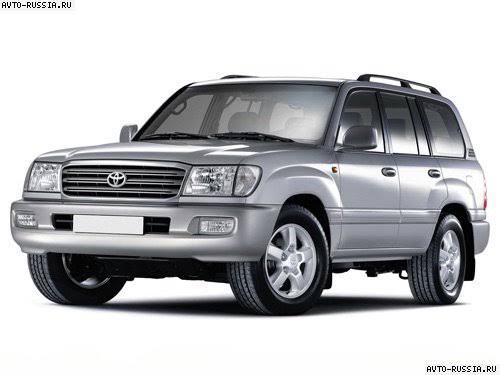
Buying a used Toyota LandCruiser is a significant decision, particularly for people looking for a reliable vehicle for long-distance driving, family travel, towing or off-road adventures. One of the first things buyers usually check is the odometer reading. A vehicle with 100,000 kilometres may appear more attractive than one with 250,000 kilometres, but does a lower reading always mean a better purchase?
LandCruisers are known for their durability and ability to handle demanding driving conditions. However, even a well-built vehicle needs regular servicing, maintenance and occasional repairs as it gets older. The total kilometres travelled are important, but they should never be the only factor when assessing a used vehicle.
Understanding how mileage affects vehicle condition can help buyers make a more informed decision and identify potential maintenance concerns before purchasing.
What Is Considered High Mileage for a Toyota LandCruiser?
There is no single kilometre limit that determines whether a LandCruiser is too old or unsuitable to buy. The vehicle’s model, age, engine type, service history and previous use all influence its condition.
As a general guide, buyers may use the following mileage ranges when comparing vehicles:
| Odometer reading | General assessment |
| Under 100,000 km | Relatively low mileage for many used vehicles. |
| 100,000–150,000 km | Moderate mileage, depending on age and maintenance. |
| 150,000–200,000 km | Higher mileage; service history becomes particularly important. |
| 200,000–300,000 km | High mileage; mechanical condition and maintenance records need careful assessment. |
| Over 300,000 km | Very high mileage; a thorough mechanical inspection is strongly recommended. |
These ranges are general buying guidelines, not official Toyota service-life limits. A LandCruiser with 250,000 kilometres and consistent maintenance may be a better purchase than one with 120,000 kilometres and a history of neglect.
Why Toyota LandCruisers Can Handle Higher Kilometres
The LandCruiser has developed a reputation for durability, particularly among Australian drivers who use their vehicles for touring, towing and off-road travel.
Several factors contribute to this reputation.
- Durable engineering: LandCruisers are designed for demanding driving conditions and practical vehicle use.
- Regular maintenance: Appropriate servicing helps keep important mechanical components operating correctly.
- Off-road capability: Many models are designed to handle challenging terrain when used and maintained correctly.
- Long-distance suitability: LandCruisers are commonly used for extended journeys and touring.
- Parts and servicing support: Their established presence in Australia makes it easier for owners to access servicing and parts support.
However, durability does not mean that every high-kilometre LandCruiser will be mechanically sound. Components such as suspension, brakes, transmission and cooling systems can experience wear over time.
Does Driving Type Matter More Than Mileage?
The way a LandCruiser has been driven can be just as important as the total kilometres on its odometer.
Two vehicles with identical mileage may have very different mechanical conditions depending on their previous use.
Highway Driving
A LandCruiser mainly used for highway driving may experience less frequent braking, steering and suspension stress than one regularly driven on rough terrain.
Long-distance driving can still contribute to engine and transmission wear, but consistent highway use is not automatically a negative factor.
Off-Road Driving
Vehicles regularly used for off-road driving may experience additional stress from uneven surfaces, dust, water crossings and demanding driving conditions.
Buyers should inspect the underbody, suspension, drivetrain and other components for signs of damage or excessive wear.
Towing and Heavy Loads
LandCruisers are popular among people who tow caravans, trailers and other heavy loads. However, regular towing can place additional demands on the engine, transmission, brakes and cooling system.
Buyers should ask whether the vehicle has been used for towing and whether the relevant servicing has been completed.
Important Things to Check Before Buying a High-Kilometre LandCruiser
Mileage alone cannot establish whether a used vehicle is worth purchasing. A detailed inspection can help identify problems that may not be obvious during a short test drive.
1. Service History
A complete service history is one of the most useful documents when evaluating a used LandCruiser.
Check whether the previous owner followed the manufacturer’s recommended servicing schedule and whether major maintenance work has been recorded.
Look for:
- Regular engine oil and filter changes.
- Transmission servicing where applicable.
- Cooling system maintenance.
- Differential and transfer case servicing.
- Brake inspections and replacements.
- Records of significant repairs.
Consistent documentation provides a clearer picture of how the vehicle has been maintained.
2. Engine Condition
The engine should be inspected for unusual noises, excessive smoke, fluid leaks and inconsistent operation.
Buyers should pay attention to:
- Difficult starting.
- Unusual knocking or rattling sounds.
- Excessive exhaust smoke.
- Oil or coolant leaks.
- Signs of overheating.
- Warning lights on the dashboard.
A qualified mechanic can carry out a more detailed assessment and identify potential mechanical concerns.
3. Transmission and Drivetrain
Transmission problems can lead to expensive repairs, so buyers should assess how the vehicle performs during a test drive.
Check for:
- Delayed gear engagement.
- Harsh or unusual gear changes.
- Slipping under acceleration.
- Unusual noises.
- Vibration during driving.
- Problems engaging four-wheel drive, where applicable.
The transmission and drivetrain should also be checked for fluid leaks and signs of damage.
4. Suspension and Steering
Suspension components can experience significant wear, especially in vehicles regularly used on rough roads or for towing.
During an inspection, look for uneven tyre wear, excessive bouncing, unusual noises and steering problems.
A professional inspection should include suspension components, shock absorbers, bushes and steering connections.
5. Rust and Underbody Damage
Rust and underbody damage are important considerations when buying a used four-wheel drive.
Vehicles used near coastal areas, around water or in challenging off-road conditions may require additional inspection.
Check for:
- Rust on the chassis.
- Corrosion around body panels.
- Underbody impact damage.
- Signs of previous repairs.
- Damage around suspension mounting points.
An inspection underneath the vehicle can reveal issues that are difficult to identify from the outside.
6. Vehicle History and Ownership Records
Before purchasing, buyers should verify the vehicle’s history and check whether its odometer reading is consistent with available records.
A Personal Property Securities Register (PPSR) check can help identify whether the vehicle has recorded financial interests, certain stolen vehicle records or relevant written-off status information.
Buyers should also review registration details, ownership information and any available repair documentation.
Are Older LandCruisers Worth Buying?
Older LandCruisers can still be worth considering, particularly when they have been maintained properly and have a clear ownership history.
However, buyers should account for the possibility of age-related repairs and replacement components.
An older vehicle may require attention to rubber hoses, seals, suspension bushes, cooling components, electrical systems and other parts affected by age.
The purchase price should reflect the vehicle’s condition and any maintenance work that may be required.
How to Compare Used LandCruisers Before Making a Decision
When comparing Toyota LandCruiser used cars, buyers should look beyond the advertised kilometres and consider the complete ownership and maintenance history.
A practical comparison should include:
| Buying factor | What to consider |
| Kilometres travelled | Compare mileage with the vehicle’s age and usage. |
| Service history | Look for consistent servicing and maintenance records. |
| Mechanical condition | Arrange an independent pre-purchase inspection. |
| Previous use | Ask about towing, off-road driving and heavy loads. |
| Vehicle history | Check ownership, accident and financial records. |
| Asking price | Compare the price with similar vehicles and their condition. |
| Future maintenance | Consider upcoming servicing and potential repairs. |
Buyers researching used Toyota LandCruisers for sale should compare several vehicles rather than choosing the first one with an attractive odometer reading.
A vehicle with higher kilometres may offer better value if it has been maintained consistently and is in good mechanical condition.
Final Thoughts
There is no fixed kilometre reading at which a Toyota LandCruiser automatically becomes too old to buy. Mileage is an important starting point, but the vehicle’s maintenance history, driving conditions, mechanical condition and overall age are equally important.
A LandCruiser with more than 200,000 kilometres may still be a suitable purchase if it has been properly serviced and passes an independent mechanical inspection. On the other hand, a lower-kilometre vehicle may have hidden issues if it has not received appropriate maintenance.
Before making a purchase, review the service records, inspect the engine and drivetrain, check for rust and arrange a professional assessment. Taking these steps can help buyers make a more confident decision and find a used LandCruiser that suits their driving requirements.