
Online publishing has become an important part of digital communication, allowing businesses, publishers, and website owners to share useful information with readers. Article releases can introduce new services, explain industry developments, and provide clear details about websites and their features. In the online gaming industry, transparency is particularly important because readers need accurate information before deciding whether to explore a platform.
People researching online gaming platforms often want accurate information about their services. W88 Bur is a useful keyword for discovering W88-related content. Checking official announcements, reviewing published terms, and confirming local restrictions can help readers separate reliable information from unsupported promotional statements.
Article releases that don’t hide a betting login focus on clear communication, accessible information, and responsible publishing practices. Rather than disguising promotional links or presenting login pages as unrelated resources, publishers can explain the purpose of a website, identify relevant links, and help readers understand what they will find after clicking.
A well-prepared article should prioritize reader confidence over aggressive promotion. By using informative headings, natural language, and straightforward descriptions, publishers can create content that serves both search engines and real users.
What Are Article Releases?
Article releases are written materials published online to announce information, introduce services, or share updates with a particular audience. They may appear on company websites, news platforms, industry blogs, and other publishing channels.
Unlike short advertisements, article releases can provide context and explain why a service or development matters. A release might introduce a website, describe its main sections, discuss security practices, or explain how visitors can locate official resources.
For betting-related websites, an article release should distinguish informational content from promotional material. Readers should be able to recognize whether a link leads to a homepage, registration form, login page, or general information section.
This clarity makes the article more useful and reduces the possibility of misleading visitors.
Why Transparent Betting Login Information Matters
Transparency is essential when an article discusses a website that involves accounts, personal information, or financial transactions. Visitors should not have to guess where a link leads or whether a page is intended for existing members.
A transparent article describes links accurately and avoids disguising account access as an unrelated resource. If a page contains a betting login link, its surrounding text should explain that purpose clearly.
This approach offers several benefits:
- Improved reader trust: Visitors can understand the purpose of each link before opening it.
- Better navigation: Clear descriptions help users find the information they need.
- Stronger editorial quality: Publishers demonstrate that accuracy matters more than misleading promotion.
- Reduced confusion: Readers can distinguish official information pages from login and registration sections.
- More responsible communication: Content can acknowledge relevant age restrictions, local laws, and account-security considerations.
Transparent publishing also helps establish consistent expectations between a website and its audience.
How to Write Clear Article Releases
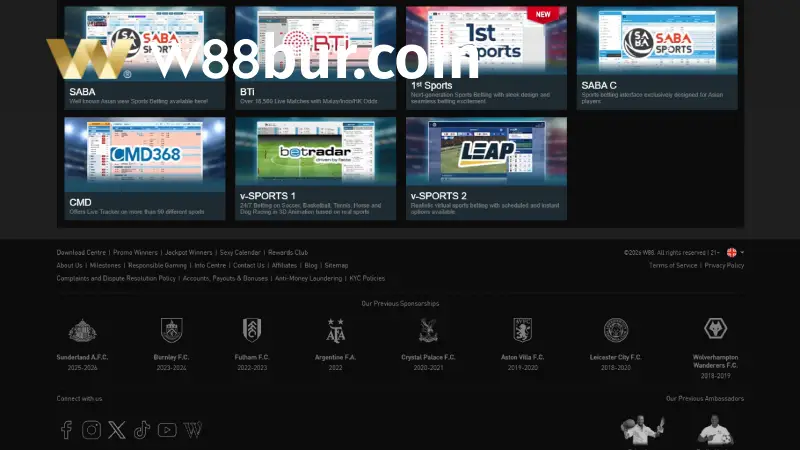
W88 sportsbook page provides information about sports markets, upcoming fixtures, and different sporting events. Football fans can explore match details and learn about available betting formats. Reviewing the applicable rules, odds, and risks helps readers understand sports betting before making any decisions.
Creating an effective article release begins with a specific purpose. Before writing, publishers should identify the intended audience, the information being announced, and the main point readers should understand.
The introduction should explain the topic without making exaggerated promises. The main body can then provide relevant background, describe the website or service, and answer common questions.
When discussing login access, use direct descriptions. For example, a phrase such as “official account login page” is more informative than an ambiguous expression that conceals the destination.
Writers should also verify that links work correctly and lead to the pages described in the article. If a destination changes, the content should be updated rather than allowing readers to encounter outdated or misleading information.
Finally, the conclusion should summarize the central message and encourage readers to verify important details independently.
SEO Best Practices for Article Releases
Search engine optimization can help relevant articles reach readers who are actively looking for information. However, effective SEO depends on usefulness, relevance, and clear organization rather than simply repeating keywords.
Start by choosing a primary keyword that accurately reflects the article’s subject. Related terms can appear naturally in headings, introductions, and supporting paragraphs when they help explain the topic.
Use a descriptive title that tells readers what the article covers. Organize the content with logical H2 and H3 headings, keep paragraphs readable, and remove repetitive statements that do not add value.
Internal links can connect readers to relevant pages on the same website. External links should point to reliable resources when additional verification is useful.
Publishers should avoid keyword stuffing, hidden links, misleading anchor text, and claims that cannot be supported. These practices weaken editorial quality and can damage user confidence.
A successful SEO article serves a real information need first and uses optimization to make that information easier to discover.
Choosing Appropriate Anchor Text
Anchor text is the clickable wording used in a hyperlink. It helps readers understand the destination and provides context about the linked page.
For article releases involving account access, anchor text should describe the destination accurately. Examples include “account login information,” “official website,” and “account security guidance,” provided each phrase matches the linked page.
Avoid using unrelated keywords simply to attract clicks. For instance, a link described as a security guide should not lead directly to an unrelated promotional page.
Publishers should also consider the placement and frequency of links. A small number of relevant links is often more useful than filling every paragraph with repeated promotional anchors.
When guest posts or sponsored articles include links, the relationship should be handled transparently. Publishers should follow applicable search engine guidelines for sponsored and paid links, including appropriate link attributes where required.
Account Security and Responsible Access
Any article that discusses betting accounts should address security in a practical and responsible way. Login pages can involve sensitive account information, making accurate destination descriptions especially important.
Readers should verify the website address before entering credentials. They should avoid following unexpected login links received through unsolicited messages and should never share passwords or verification codes with other people.
Where available, multifactor authentication can provide an additional layer of account protection. Using a unique password also helps reduce the risk associated with credentials exposed on other websites.
Publishers should not claim that a platform is completely secure unless that statement can be substantiated. Instead, articles can describe specific security measures that have been independently verified.
Responsible content should also remind readers that betting involves financial risk. Participation should be limited to adults who are legally permitted to use the service in their jurisdiction. Readers should understand the possibility of losing money and should never view betting as a reliable way to earn income.
Common Mistakes to Avoid
Even well-intentioned article releases can lose credibility when basic editorial standards are overlooked.
One common mistake is using vague language to conceal the purpose of a login link. Readers benefit more from a direct description than from wording designed solely to generate clicks.
Another mistake is publishing unsupported claims about bonuses, guaranteed winnings, security, or website performance. Such statements can create unrealistic expectations and may mislead the audience.
Poor formatting is another problem. Long paragraphs, unclear headings, and repeated keywords make articles difficult to read. Broken links and outdated information can also undermine trust.
Publishers should review every release before publication. Check spelling, grammar, factual accuracy, link destinations, and compliance with relevant advertising and publishing requirements.
An editorial review process helps ensure that promotional goals do not compromise the quality of the information provided.
Measuring the Success of an Article Release
The success of an article release should be measured by more than the number of clicks it receives. Useful performance indicators include relevant organic traffic, time spent engaging with the content, search visibility, referral visits, and the quality of reader interactions.
Search Console can help website owners monitor impressions, clicks, and search queries. Web analytics tools can provide additional insight into how visitors navigate an article and whether they continue to relevant pages.
Publishers should interpret these metrics carefully. A high click-through rate does not necessarily mean that an article is useful, especially when its links or descriptions are misleading.
Reviewing user behavior alongside editorial quality can reveal whether the content meets its intended purpose. Updating articles when information changes can also help maintain accuracy over time.
Conclusion
Article releases that don’t hide a betting login reflect a straightforward publishing principle: readers deserve to know what information they are accessing and where each link will take them. Clear descriptions, accurate anchor text, responsible security guidance, and useful SEO practices can make online content more informative and trustworthy.
For publishers, the best approach is to create articles that explain rather than disguise. By checking facts, maintaining relevant links, avoiding exaggerated claims, and respecting applicable legal and advertising requirements, website owners can build stronger relationships with their audiences.
Ultimately, transparent communication is more valuable than short-term clicks. An article release that puts readers first can support discoverability while preserving the credibility that sustainable online publishing requires.
