
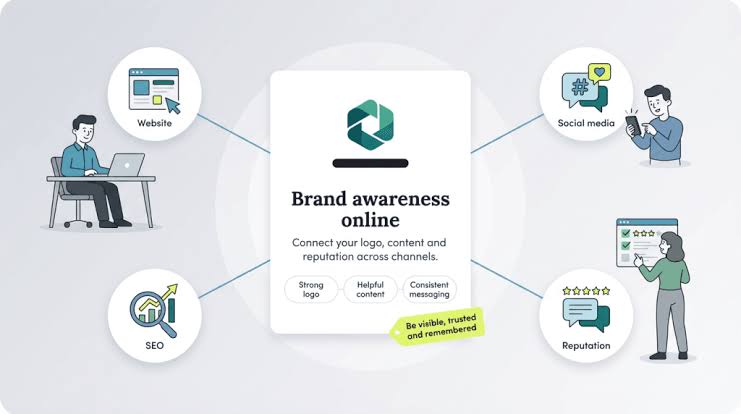
Publishing an article is more than simply writing words and pressing the publish button. In a competitive digital environment, the way content is released can have a major influence on how many people discover it, read it, share it, and interact with it. This is why toto macau has become an important part of modern content marketing and online publishing.
A well-planned article release combines quality content with the right timing, audience targeting, distribution channels, and promotional strategy. When these elements work together, a single article can reach a much larger audience than it might through organic publishing alone.
For bloggers, businesses, publishers, marketers, and website owners, an effective article release strategy can improve visibility while helping establish credibility within a particular industry or topic.
What Is an Article Release?
Article release refers to the strategic process of publishing and distributing an article to a target audience. It includes more than making content available on a website. It involves deciding when to publish, where to promote the article, who should see it, and how its performance will be measured.
The goal is to give valuable content the best possible opportunity to reach relevant readers.
For example, a business may spend several days preparing a detailed article about a new industry trend. If that article is published without any promotional plan, only existing website visitors may discover it. With a proper release strategy, the same article can be promoted through social media, email newsletters, online communities, search optimization, and other appropriate channels.
The content remains the foundation, but distribution determines how far it can travel.
Why Article Release Matters
Creating excellent content does not automatically guarantee visibility.
Millions of articles are published online, and new content competes for attention every day. Even a well-researched article can remain unnoticed if it is poorly positioned or released without considering its audience.
A strategic release helps solve this problem.
It gives publishers an opportunity to create initial awareness around their content and encourage people to visit the article. Increased visibility can then lead to more engagement, shares, backlinks, returning visitors, and potential customers.
Article release is therefore closely connected to content marketing and audience development.
The Connection Between Content and Visibility
Visibility means being discovered by the people who are most likely to care about the content.
A website may have excellent articles, but if those articles do not appear where potential readers are looking, their value can remain hidden.
Strategic article releases can increase opportunities for discovery.
Search engines may discover new content through crawling and indexing. Social platforms can introduce articles to new audiences. Email newsletters can bring existing subscribers back to a website. Industry communities can connect specialized content with interested readers.
Each distribution channel provides another opportunity for the article to be seen.
Timing an Article Release
Timing can influence audience engagement.
Different audiences have different habits. Some readers consume industry news during working hours, while others browse content in the evening or during weekends.
The ideal publishing time depends on the audience and platform.
For example, a business-focused article may perform differently from an entertainment article because their audiences have different schedules.
Rather than choosing a publishing time randomly, publishers can examine previous performance data. Website analytics, social media insights, and email engagement statistics can reveal when an audience is most active.
Timing should support the content’s purpose.
Understanding the Target Audience
An article release becomes more effective when the audience is clearly defined.
Before publishing, a content creator should understand who the article is intended for.
Consider questions such as:
- Who will find this topic useful?
- What problem does the article address?
- What information are readers searching for?
- Which platforms do they use?
- What type of content do they prefer?
- What would encourage them to share the article?
Knowing the audience helps determine both the article’s messaging and its distribution strategy.
A technical guide may be promoted through professional communities, while a lifestyle article may perform better on visually focused social platforms.
Article Release and SEO
Search engine optimization is an important part of content visibility.
An article should be created around a clear topic and search intent. Relevant keywords can help search engines understand what the page is about, but effective SEO involves much more than keyword placement.
The content should answer the reader’s question clearly and provide genuine value.
Other factors can also matter, including:
- A useful title
- Clear headings
- Logical structure
- Internal links
- Relevant external references
- Descriptive URLs
- Mobile-friendly design
- Fast page performance
- Helpful metadata
When these elements are handled properly, an article has a stronger foundation for organic discovery.
Creating an Attractive Headline
The headline is often the first thing a potential reader sees.
A strong title should communicate what the article offers without misleading the audience.
For example, a vague title may fail to explain why someone should click. A more specific headline can immediately communicate the topic and benefit.
However, publishers should avoid exaggerated clickbait.
If the headline promises something the article does not deliver, readers may leave quickly and lose trust in the publication.
The best headlines create curiosity while remaining accurate.
The First Few Hours After Publication
The period immediately after an article is published can be useful for generating initial attention.
Publishers can share the article through appropriate channels, notify subscribers, post a short introduction on social media, or contact relevant communities where the content genuinely adds value.
This does not mean posting the same promotional message everywhere.
Each channel should receive content that fits its audience.
For example, a social media post might highlight one interesting idea from the article, while an email newsletter can provide a short summary and invitation to read the full piece.
Social Media Promotion
Social media can extend the reach of an article beyond existing website visitors.
Instead of simply posting a link, marketers can create platform-specific promotional content.
A short quote, statistic, question, visual, or key takeaway can encourage people to explore the full article.
Different platforms may require different approaches. A professional network may respond better to an industry insight, while another platform may favor a short visual explanation.
The article remains the central resource, while social media becomes a discovery channel.
Email Distribution
Email is another powerful article distribution method.
A website with an engaged subscriber base can introduce new articles directly to people who have already shown interest in the brand.
A good newsletter does not need to reproduce the entire article. A concise introduction, an interesting takeaway, and a clear link can be enough to encourage readers to visit the website.
Over time, consistent and useful email updates can create a reliable traffic source.
Encouraging Reader Interaction
Traffic is valuable, but engagement can provide even more insight.
Publishers should consider ways to encourage readers to interact with content.
Depending on the article, this might include asking a question, inviting comments, encouraging social sharing, or linking to related resources.
Reader interaction can reveal which topics generate the strongest interest.
For example, if an article receives many comments or shares, that may indicate an opportunity to create additional content around the same subject.
Building Credibility Through Consistent Publishing
Article release can also contribute to a website’s credibility.
A website that consistently publishes useful, accurate, and well-researched information can gradually become a trusted resource within its niche.
Credibility does not develop from one article alone. It comes from repeated quality.
When readers regularly find useful information on a website, they may be more likely to return, subscribe, share content, or consider the brand when they need related products or services.
Article Releases and Backlinks
High-quality content can also attract backlinks.
When other websites find an article useful, they may reference it in their own content. These references can send referral traffic and may contribute to a website’s search visibility.
However, the strongest foundation for earning links is valuable content.
Articles that contain original research, useful explanations, expert perspectives, unique examples, or comprehensive resources may provide stronger reasons for other publishers to reference them.
The goal should be to create content worth mentioning rather than simply chasing links.
Measuring Article Release Performance
A release strategy should be measured.
Important metrics can include:
- Page views
- Organic search traffic
- Referral traffic
- Social engagement
- Average engagement time
- Click-through rate
- Newsletter traffic
- Shares
- Comments
- Conversions
The most useful metrics depend on the article’s purpose.
An educational article may focus primarily on organic traffic and engagement. A commercial article may focus more heavily on leads or sales.
Measurement helps publishers understand what is working and where improvements are needed.
What to Do When an Article Underperforms
Not every article will become popular immediately.
If an article receives limited traffic, the solution is not always to abandon the topic.
Publishers can examine several possibilities.
Perhaps the headline is unclear. Maybe the search intent was misunderstood. The article may need stronger internal links, better formatting, additional examples, or more comprehensive information.
Sometimes the topic itself has limited demand.
Performance data can help identify the reason.
Updating an underperforming article can sometimes be more effective than continuously creating new content.
Republishing and Updating Content
Content can become outdated as information changes.
Updating older articles can give them renewed relevance. Statistics, examples, links, screenshots, and recommendations may need to be reviewed periodically.
A refreshed article can then be promoted again.
This creates an ongoing content cycle instead of treating every article as a one-time publication.
Publishers can maintain a library of useful content while regularly improving its accuracy and usefulness.
Avoiding Common Article Release Mistakes
Several mistakes can reduce the effectiveness of a content release.
One common mistake is publishing without knowing the target audience. Another is promoting an article too aggressively across irrelevant channels.
Poor timing, weak headlines, unclear calls to action, and inadequate mobile optimization can also reduce engagement.
Another problem is focusing entirely on traffic numbers without considering reader quality.
A thousand visitors who are genuinely interested in the topic may be more valuable than thousands of random visitors who immediately leave.
Building a Long-Term Release Strategy
Article release should not be viewed as a one-day activity.
A stronger approach creates a repeatable process.
A publisher can research a topic, produce useful content, optimize it for search, schedule its release, promote it through appropriate channels, monitor performance, and update it when necessary.
Over time, these individual releases can form a larger content strategy.
Some articles may attract search traffic for years. Others may generate attention around current events. Some may introduce new customers to a business.
Together, they create a content ecosystem.
The Future of Article Publishing
Digital publishing continues to evolve.
Artificial intelligence, personalized content, new social platforms, changing search experiences, and multimedia formats are influencing how people discover information.
Despite these changes, the fundamental principles of successful content remain similar.
Readers want useful information. They value clarity, accuracy, relevance, and authenticity.
The technology used to distribute an article may change, but the importance of understanding the audience and delivering genuine value will remain.
Conclusion
Article release is much more than publishing content on a website. It is a strategic process designed to give valuable information the opportunity to reach the right people at the right time.
A successful release combines quality writing with audience research, SEO, timing, promotion, social distribution, email marketing, engagement, and performance measurement.
