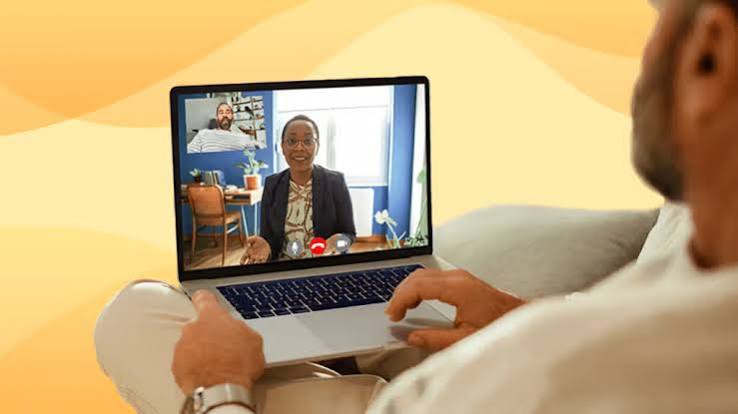
Access to mental health care has improved significantly in recent years, thanks to advances in telehealth technology. What once required travelling to a specialist clinic can now often be accessed from the comfort of home. Online psychiatry has become an increasingly important option for people seeking professional mental health assessment, diagnosis, treatment planning, and ongoing care while reducing many of the traditional barriers associated with in-person appointments.
As demand for mental health services continues to grow, online psychiatrists are helping make specialist care more accessible, flexible, and convenient for people across Australia.
Improved Access For Rural And Regional Communities
One of the biggest advantages of online psychiatry is improved access for people living in rural, regional, and remote areas where specialist mental health services may be limited.
Instead of travelling long distances to attend appointments, eligible patients can often consult with a psychiatrist through secure telehealth platforms. This can reduce travel time, associated costs, and delays in receiving specialist care.
Greater accessibility helps connect more people with appropriate mental health support.
Reduced Waiting And Greater Convenience
Attending traditional appointments may involve travel, time away from work, childcare arrangements, or lengthy waiting periods.
For many patients, an Online psychiatric consultation offers greater flexibility by allowing appointments to take place from home or another private location. This convenience may make it easier to attend scheduled reviews and maintain continuity of care.
Improved accessibility can encourage people to seek support earlier rather than delaying treatment.
Supporting A Wide Range Of Mental Health Conditions
Online psychiatrists may assess and manage a variety of mental health conditions where clinically appropriate.
Depending on individual circumstances, telehealth consultations may be used for concerns relating to anxiety disorders, depression, attention-deficit/hyperactivity disorder (ADHD), mood disorders, trauma-related conditions, obsessive-compulsive disorder (OCD), and other psychiatric conditions requiring specialist assessment.
The suitability of telehealth depends on each patient’s needs, and some situations may still require in-person assessment.
Ongoing Care Becomes Easier
Mental health treatment often involves more than a single appointment. Medication reviews, progress monitoring, treatment adjustments, and ongoing support are commonly part of long-term psychiatric care.
Online consultations can make regular follow-up appointments easier to attend, helping patients remain engaged with their treatment plan without unnecessary travel.
Consistency is often an important factor in successful long-term mental health management.
Greater Privacy And Comfort
Some individuals feel anxious about attending mental health clinics or discussing sensitive concerns in unfamiliar environments.
Speaking with a psychiatrist from a familiar and private setting may help some patients feel more comfortable during consultations, making it easier to communicate openly about their experiences.
While every person’s preferences differ, increased comfort can support more productive discussions during appointments.
Technology Has Improved Telehealth Quality
Modern telehealth platforms provide secure video consultations that allow psychiatrists to conduct comprehensive clinical discussions while protecting patient confidentiality.
Many platforms also support appointment reminders, secure document sharing, and communication between healthcare providers when appropriate.
Advances in technology have made remote psychiatric care increasingly practical for many patients.
Online Psychiatry Complements Other Healthcare Providers
Psychiatrists often work alongside general practitioners, psychologists, counsellors, and other allied health professionals as part of a broader treatment plan.
Telehealth consultations can support this collaborative approach by making specialist input more accessible while allowing ongoing communication between members of a patient’s healthcare team where appropriate.
Integrated care often provides more comprehensive mental health support.
Telehealth Is Not Suitable For Every Situation
Although online psychiatry offers many benefits, it may not be appropriate for every clinical circumstance.
Some patients experiencing severe mental health crises, requiring emergency intervention, or needing detailed physical assessment may require face-to-face care or hospital-based services instead.
A psychiatrist will determine whether telehealth is clinically appropriate based on the individual’s presentation and treatment needs.
Preparing For An Online Appointment
Patients can often improve the quality of their consultation by preparing beforehand. Helpful steps include:
- Choosing a quiet and private location.
- Testing internet and audio/video connections.
- Having current medications and relevant medical information available.
- Preparing questions or concerns to discuss during the appointment.
- Ensuring enough uninterrupted time for the consultation.
Good preparation helps consultations run more smoothly.
Helpful Related Mental Health Research
People considering online psychiatric care may also benefit from learning about telehealth mental health services in Australia and how psychiatrists and psychologists work together in mental health treatment, as these topics provide broader insight into accessing appropriate mental health support.
Final Thoughts
Online psychiatry is transforming access to specialist mental health care by making professional support more convenient, flexible, and accessible for many Australians. Telehealth consultations can reduce travel barriers, improve continuity of care, and make it easier for people to receive ongoing psychiatric treatment when clinically appropriate.
While online care is not suitable for every situation, it has become an important part of modern mental health services, helping more people access timely specialist support and maintain their mental wellbeing through convenient, high-quality care.