
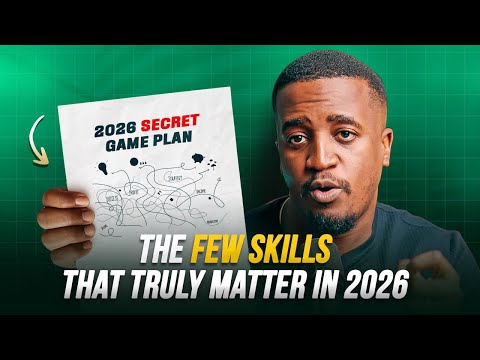
Learning in 2026 is less about collecting certificates and more about reducing friction in work and life. Men face the same pressures as everyone else—automation, rising costs, health risk—but often carry added expectations around earning, protection, and self-reliance. The right course is the one that changes decisions, not just vocabulary.
A simple way to choose is to look for skills with repeat use: communication, numeracy, basic care, and systems thinking. Even entertainment can be a case study in probability; you might open jetx bet download mid-evening and use it as a prompt to study risk, limits, and impulse control rather than as a habit.
Before you enroll, check the course design. Favor programs that force you to produce outputs: a written brief, a budget model, a meal plan, a safety checklist. Look for drills, peer review, and tests that measure behavior, not memorization. If a course promises outcomes but has no practice, it is content, not training.
The list below treats “course” broadly: a structured set of lessons with practice, feedback, and a clear output. Pick based on gaps, not trends. Sequence matters: build a base (communication, money, health), then add tools (data, automation), then add specialties (leadership, caregiving). Depth beats volume when time is tight.
Career, communication, and leadership
- Writing for clarity. Learn to write short briefs, status updates, and requests. Practice structure, tone, and revision so fewer tasks bounce back.
- Public speaking and facilitation. Build comfort with meetings, short talks, and Q&A. Focus on pacing, framing, and handling objections.
- Negotiation basics. Train on preparation, anchors, and trade-offs. Use it for salary, contracts, and household decisions.
- Conflict management. Study escalation patterns and repair moves. Role-play hard conversations without threats or withdrawal.
- Project planning. Learn scoping, milestones, and risk logs. A simple plan saves time even for personal projects.
- Manager skills for first-time leads. Practice feedback, delegation, and goal setting. Learn how to coach without micromanaging.
Digital literacy, data, and modern work
- AI and automation literacy. Understand where models help, where they fail, and how to set guardrails. Focus on prompts, checks, and data handling.
- Cyber hygiene for individuals. Train on passwords, device security, phishing, and backups. Treat it like home insurance for your accounts.
- Spreadsheet modeling. Learn clean tables, formulas, and scenario testing. Use it for budgets, bids, and planning trade-offs.
- Data storytelling. Practice turning numbers into a narrative with charts and plain language. Learn what to omit as much as what to show.
- No-code systems building. Map workflows, forms, and notifications for routine tasks. The goal is fewer manual steps, not a new hobby.
- Digital declutter and attention design. Audit notifications, feeds, and device use. Build rules that protect deep work and sleep.
Money, law, and long-term planning
- Personal finance fundamentals. Learn cash-flow tracking, emergency funds, and debt strategy. Focus on behavior, not just math.
- Investing basics and risk. Study diversification, fees, and time horizon. Learn to separate uncertainty from ignorance.
- Tax and payroll literacy. Understand payslips, common deductions, and filing rhythms. It reduces errors and helps planning.
- Insurance literacy. Learn what policies cover, exclusions, and how to compare offers. This matters when health or property risk rises.
- Consumer law and contracts. Learn how to read terms, cancel services, and document disputes. It prevents slow, costly mistakes.
Health, performance, and mental resilience
- Strength training programming. Learn progressive overload, recovery, and injury signals. Track outcomes instead of copying routines.
- Nutrition for real life. Study energy balance, protein targets, and meal planning. Build a system that works under stress.
- Sleep science and routines. Learn circadian cues, light exposure, and caffeine timing. Sleep is a multiplier for mood and focus.
- First aid and emergency response. Train on bleeding control, shock, and basic assessment. Know what to do before help arrives.
- Stress regulation and mindfulness. Practice breathing, attention training, and cognitive reframing. Use it to reduce reactive decisions.
Home, mobility, and self-reliance
- Home maintenance basics. Learn tools, safe fixes, and when to call a pro. A small skill set prevents damage and waste.
- Cooking foundations. Practice knife skills, heat control, and pantry planning. Cooking reduces costs and improves diet quality.
- Personal safety and de-escalation. Study situational awareness, boundaries, and exit planning. The aim is to avoid fights, not win them.
- Driving safety and basic vehicle care. Learn hazard management, seasonal checks, and simple diagnostics. It reduces breakdowns and risk.
Relationships, family, and community
- Healthy relationships and communication. Learn listening, repair, and shared planning. Apply it to partners, friends, and coworkers.
- Fatherhood and caregiving basics. Study child development, co-parenting, and daily care. Even non-parents benefit from care skills.
- Ethics and civic literacy. Learn how local systems work, how to verify claims, and how to participate. It improves judgment in noisy times.
- Personal strategy and habit design. Learn goal selection, weekly review, and environment design. Build routines that survive travel and setbacks.
To make this list usable, convert it into a schedule. Choose three themes for the year (for example: money, health, and communication), then add one tool course each quarter. Set a “done” definition for each course: a one-page plan, a test score, or a tracked habit for 30 days. Review results monthly and cut what you do not use.
A final note: courses work when they include practice and feedback. If a topic feels “basic,” that is often a sign it has high return. In 2026, competence is not a vibe; it is a set of repeatable behaviors you can train, measure, and keep.
