
A Resume Pile That Never Gets Smaller
Picture a hiring manager on a Tuesday afternoon staring at an inbox with three hundred unread resumes for a single open role. She has back-to-back meetings until five, a performance review due Friday, and a team already stretched thin from two recent departures. The applications keep arriving anyway, and the longer they sit untouched, the more likely the strongest candidates accept offers somewhere else.
This scenario plays out across companies of every size, from scrappy startups to established firms with dedicated recruiting staff. The volume of applicants has grown steadily as job postings reach wider audiences through multiple boards and social platforms. Screening by hand simply cannot keep pace, and when it tries, something gets sacrificed: thoroughness, fairness, or speed.
The cost shows up in ways that rarely appear on a balance sheet directly. Open roles stay vacant longer, existing employees absorb extra workload, and the recruiting team burns out from repetitive manual tasks that add little strategic value. Candidates notice the silence too, and many simply withdraw interest before a human ever reviews their application.
Teaching Software to Read Resumes the Way a Recruiter Would
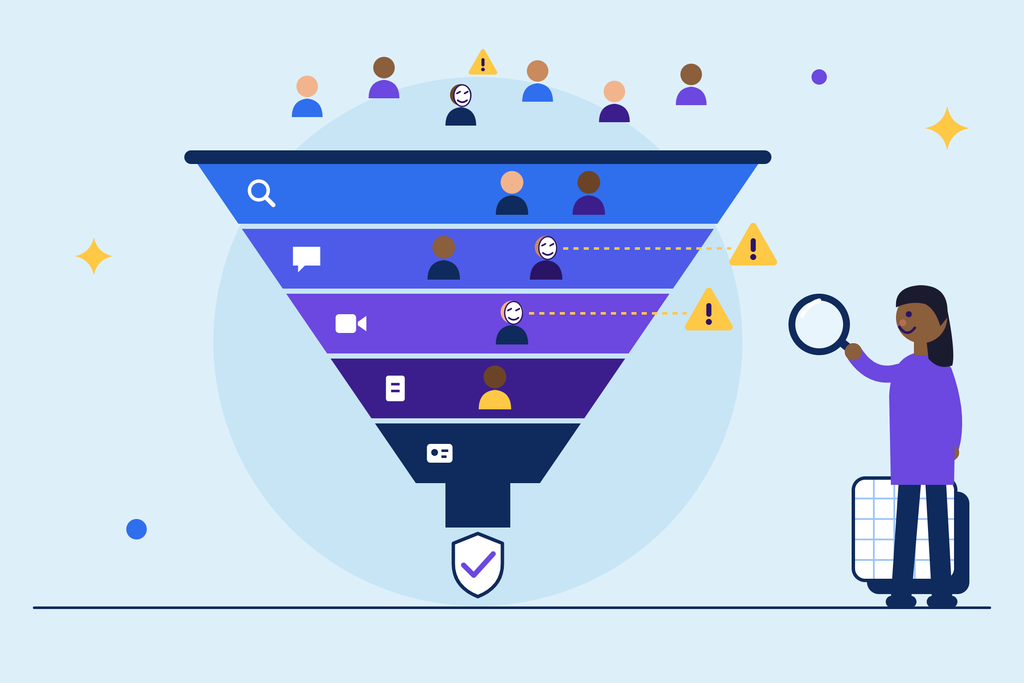
Applicant tracking platforms built around artificial intelligence approach this bottleneck differently than older keyword-matching tools. Rather than scanning for exact phrases, these systems interpret context, infer skill levels from described experience, and rank candidates based on how closely their background aligns with the actual requirements of a role. A candidate who led a five-person engineering team gets recognized as having management experience even if their resume never uses the word ‘manager.’
This shift matters because traditional filters often rejected qualified people over formatting quirks or phrasing choices. Someone who described their work in plain language instead of industry jargon could be screened out entirely, regardless of actual ability. Smarter parsing reduces that kind of accidental exclusion while still giving recruiters a ranked, manageable shortlist instead of an unsorted stack.
Beyond resume screening, these platforms often handle scheduling, automated follow-up communication, and early-stage question sets that help surface red flags before a human interviewer spends time on a call. Routine administrative work that once consumed hours of a coordinator’s day happens in the background instead. That frees recruiters to spend their limited hours on conversations and judgment calls that actually require a person.
Questions Worth Asking Before You Commit to a Platform
Not every system marketed as intelligent actually performs well once deployed against a real applicant pool. Some rely on shallow keyword matching dressed up with newer branding, producing the same blind spots as older tools. Before adopting a new platform, it helps to ask how the ranking logic was built, whether it was tested against diverse candidate pools, and how the vendor addresses bias in historical hiring data that might have trained the underlying model.
Integration with existing workflows deserves equal attention. A system that forces recruiters to abandon familiar tools or re-enter data across multiple platforms creates friction that offsets any time saved on screening. Teams researching options for AI applicant tracking systems often find that the real test comes during a trial period with live job postings, not a polished sales demo built around ideal scenarios.
Transparency also matters more than most buyers initially expect. Recruiters should be able to see why a candidate was ranked highly or passed over, both for fairness and for catching errors before they affect real people’s careers. A platform that behaves like a black box, offering scores without explanation, makes it difficult to trust the output or defend decisions if questioned later.
Cost structure, data security practices, and how the vendor handles updates as hiring needs change all factor into a sound decision. Teams that take time evaluating these details tend to end up with tools that actually reduce workload rather than simply relocating it. The goal remains straightforward: get qualified candidates in front of the right person faster, without losing the judgment and nuance that good hiring has always required.
