
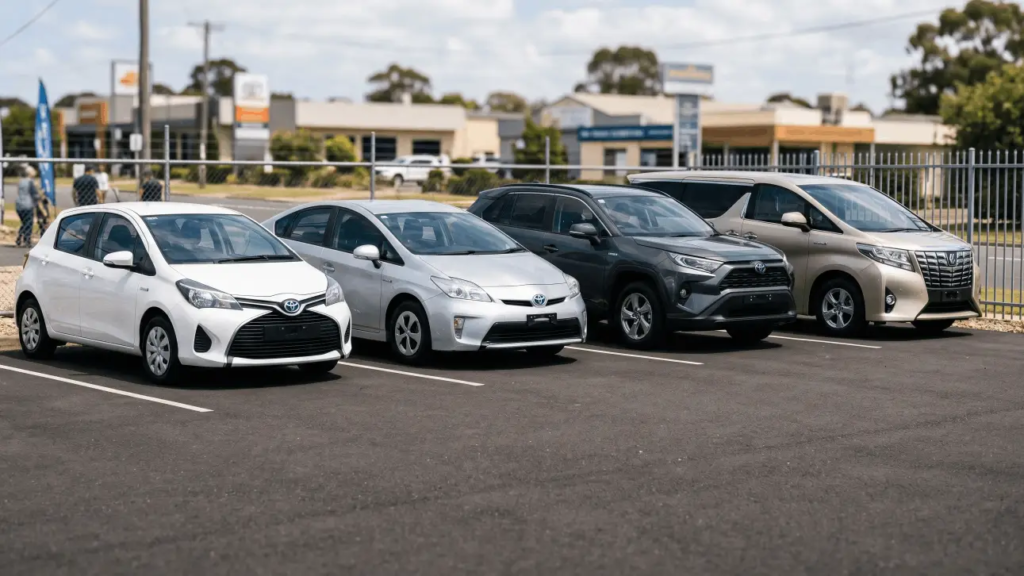
Choosing between a hybrid, plug-in hybrid (PHEV) and petrol car depends on how you drive, where you travel and how easily you can access charging facilities. For most New Zealand drivers who regularly travel through towns and cities, a conventional hybrid offers a practical balance of fuel efficiency and convenience. Plug-in hybrids suit drivers who can charge at home and make shorter daily journeys, while petrol cars remain a sensible choice for those who frequently drive longer distances or prefer a simpler vehicle.
The growing range of hybrid cars for sale gives buyers more options, particularly in the used vehicle market. Understanding how each powertrain works can help you choose a car that suits your driving habits rather than paying for features you may rarely use. Buyers browsing options through 2 Cheap Cars can use these differences as a starting point when comparing vehicles.
How the Three Types of Cars Work
Although all three vehicles can provide reliable everyday transport, their engines and energy systems operate differently.
Conventional Hybrid Cars
A conventional hybrid combines a petrol engine with an electric motor and a small battery. The vehicle manages both power sources automatically, using electric assistance during acceleration and, in suitable conditions, electric power at low speeds. Regenerative braking captures some energy normally lost during braking and sends it back to the battery.
Unlike a plug-in model, a conventional hybrid does not need to be connected to an external charger. Its battery receives energy through regenerative braking and the petrol engine. This makes it particularly convenient for drivers who want improved fuel efficiency without changing their usual refuelling routine.
Toyota Aqua, Toyota Prius and Honda Fit Hybrid are examples of models commonly found in the New Zealand used-car market. Their compact dimensions and efficient powertrains make them suitable for commuting, shopping and everyday urban driving.
Plug-In Hybrid Electric Vehicles
A plug-in hybrid uses a petrol engine, electric motor and a larger rechargeable battery. It can travel on electric power alone within its available electric driving range. Once the battery charge becomes low, the petrol engine can take over or work alongside the electric motor.
Unlike a conventional hybrid, a PHEV needs an external power source to make full use of its electric driving capability. Owners can generally charge through a suitable household charging setup or compatible public charging equipment, depending on the vehicle.
A Mitsubishi Outlander PHEV is a familiar example in New Zealand. Its larger body, electric driving capability and petrol backup make it appealing to families who want to reduce petrol use during regular local journeys without relying entirely on public charging.
Petrol-Powered Cars
A conventional petrol car uses an internal combustion engine as its primary source of power. It does not have an electric traction motor or a hybrid battery system.
Petrol vehicles are available in many body styles, engine sizes and configurations. Buyers can choose from compact hatchbacks, sedans, SUVs and larger family vehicles. Their familiar mechanical setup also makes them straightforward for drivers who prefer traditional refuelling and vehicle operation.
For people who regularly travel between towns, drive in areas with limited charging infrastructure or prefer a vehicle without hybrid-specific components, petrol remains a practical option.
Which Powertrain Suits Different New Zealand Driving Conditions?
New Zealand driving conditions vary considerably. A vehicle used mainly for commuting around Auckland or Wellington has different requirements from one regularly travelling through rural roads, hilly areas or regional highways.
City driving: Conventional hybrids are particularly useful in stop-start traffic. Their electric motors can assist at lower speeds, while regenerative braking recovers some energy as the car slows down. This reduces the amount of work required from the petrol engine during frequent traffic interruptions.
Highway driving: Petrol and hybrid vehicles can both perform well on open roads. However, conventional hybrids may offer less of an efficiency advantage at steady motorway speeds because there are fewer braking opportunities to recharge the battery. Engine size, aerodynamics, vehicle weight and driving speed also affect fuel consumption.
Rural and hilly routes: Frequent climbs demand more power, regardless of the vehicle type. A hybrid can combine its petrol engine and electric motor to assist during acceleration and uphill driving. A petrol vehicle with a suitable engine can also handle these conditions effectively. Buyers should assess engine performance and handling rather than choosing based on fuel type alone.
Short daily journeys: Plug-in hybrids can be particularly useful for drivers whose regular travel fits within the vehicle’s electric driving range and who can recharge between journeys. Without regular charging, much of their electric-driving advantage may go unused.
Fuel Efficiency Is Not the Only Ownership Consideration
Fuel consumption is often the first specification buyers compare, but it does not tell the whole story. Vehicle weight, tyre condition, maintenance, driving style and road conditions all influence real-world performance.
A conventional hybrid generally offers its strongest efficiency advantage in urban traffic. Its battery and motor help reduce petrol engine use during low-speed driving and acceleration. On longer highway journeys, the petrol engine does more of the work.
A plug-in hybrid can use less petrol during regular journeys if the battery is charged consistently. However, carrying a larger battery adds vehicle weight. Once the available electric charge is depleted, fuel consumption can increase compared with expectations, particularly on longer journeys.
Petrol cars have no electric driving capability, but modern petrol engines can still deliver reasonable efficiency. A smaller, lighter hatchback may use less fuel than a larger hybrid SUV, so comparing similar vehicle sizes is more useful than comparing powertrain labels alone.
What Should Used-Car Buyers Check Before Choosing?
The condition of a used vehicle matters as much as its powertrain. Two cars of the same model and year can have very different maintenance histories and overall condition.
Before purchasing, pay attention to these areas:
- Hybrid battery condition: Check the battery health and diagnostic results through a qualified technician. Warning lights or inconsistent battery performance deserve further investigation.
- Service history: Review maintenance records, including engine servicing, cooling systems and any hybrid-system repairs.
- Transmission and braking: Check for unusual noises, vibrations, inconsistent braking or warning indicators during a test drive.
- Tyres and suspension: Uneven tyre wear, poor alignment and suspension noises can indicate maintenance issues.
- Charging equipment: For a plug-in hybrid, check charging functionality, compatible cables and the condition of the charging port.
- Vehicle history: Confirm ownership records, outstanding finance status and any relevant import or accident history.
For imported used hybrids, buyers should also check the vehicle’s specifications and equipment. Japanese domestic-market models, for example, may have different infotainment systems, safety equipment or charging connections from locally supplied versions.
A pre-purchase inspection by a technician familiar with hybrid systems is particularly useful. It can identify problems that may not be obvious during a short test drive.
Finding the Right Option in the Used-Car Market
The New Zealand market includes a broad selection of conventional hybrids, plug-in hybrids and petrol vehicles. Buyers comparing used hybrid cars for sale NZ listings should consider the vehicle’s intended use, battery condition, service records and overall practicality rather than focusing solely on its advertised fuel efficiency.
For buyers considering a conventional hybrid, Toyota models offer several practical choices for different driving needs. Compare popular options, their features and key buying considerations in our Toyota hybrid cars in NZ article before narrowing down your shortlist.
There are several factors worth considering when reviewing hybrids for sale NZ:
- Choose a compact hybrid hatchback for regular commuting and easier urban parking.
- Consider a plug-in hybrid SUV if you need family space and have convenient charging access.
- Look at petrol hatchbacks or sedans if your driving involves frequent longer journeys and you prefer a conventional powertrain.
Drivers searching for cheap hybrid cars NZ should pay particular attention to the condition of the battery, tyres, brakes and suspension. A vehicle with a lower purchase price may not represent good value if it needs significant repairs.
The same applies when comparing a used hybrid NZ listing with a petrol alternative. Check the total vehicle condition, safety features, mileage, service records and suitability for your regular routes before making a decision.
At 2 Cheap Cars, buyers can compare available vehicle options and consider which body style and powertrain best match their everyday requirements.
Safety, Comfort and Practical Features Matter Too
Fuel efficiency should not overshadow the features that make a car suitable for daily use. A compact hybrid may be economical, but it might not provide enough luggage space for a growing family. A plug-in hybrid SUV may offer more room, but its size can make parking and narrow-road manoeuvres less convenient.
Check for safety equipment such as autonomous emergency braking, lane departure warning, stability control, reversing cameras and airbags. The availability of these features varies by model, year and specification, so buyers should verify the actual vehicle rather than relying on the model name.
Also consider seating comfort, visibility, boot capacity and rear passenger space. These details become particularly relevant for households using one vehicle for commuting, school transport and longer journeys.
Making a Practical Choice for Your Driving Habits
For many New Zealand drivers, a conventional hybrid is the strongest all-round option because it improves fuel efficiency without requiring external charging. A plug-in hybrid is more suitable for households with reliable charging access and regular journeys that can be completed largely on electric power. A petrol car remains a reasonable choice for drivers who prioritise a familiar mechanical setup and travel frequently on longer routes.
If you need help narrowing down suitable options, contact us at 2 Cheap Cars to discuss the vehicles available and find one that fits your everyday driving needs. A well-matched car should make regular travel practical, comfortable and dependable.
The right decision comes down to matching the vehicle to your actual driving patterns, passenger requirements and maintenance expectations. Take time to compare vehicle specifications, inspect service records and arrange a professional check before committing to a purchase.
