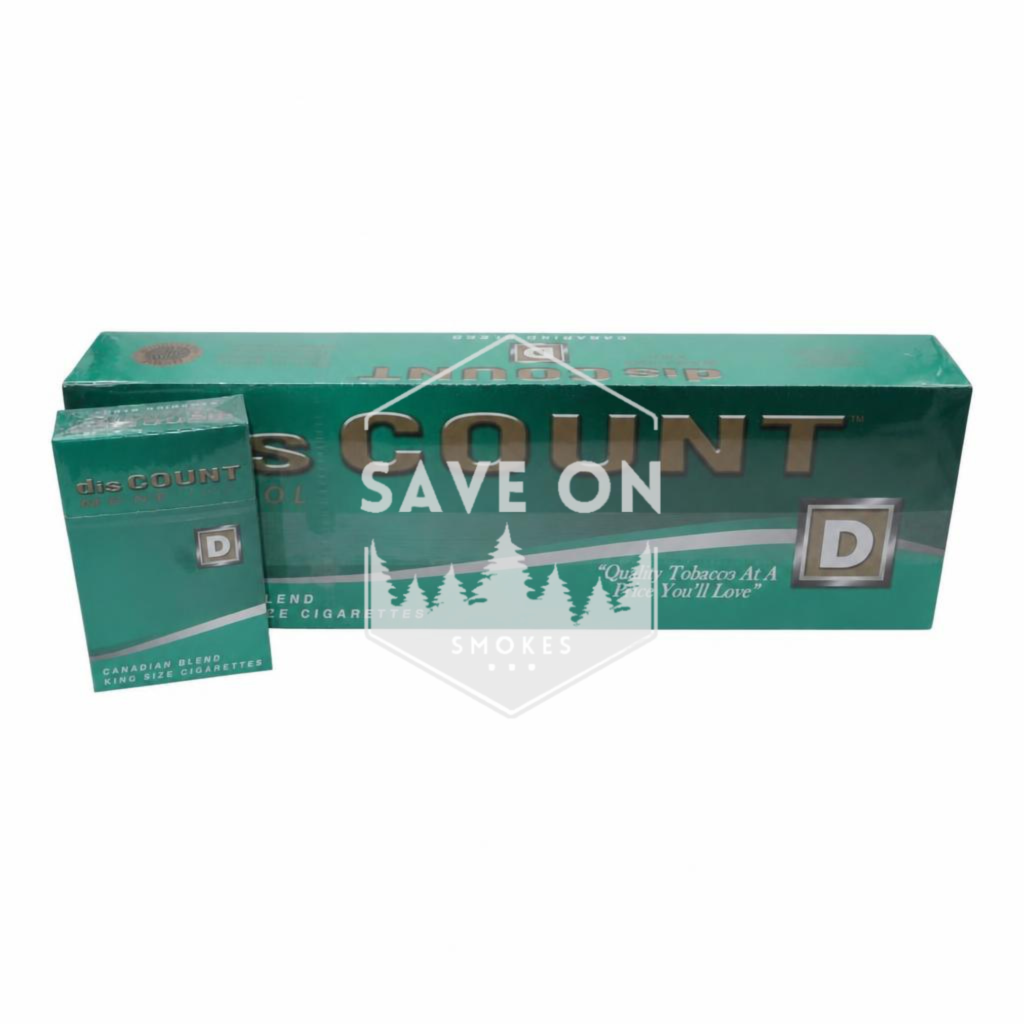
Menthol cigarettes are illegal to manufacture, import, or sell in Canada under federal tobacco regulations. The nationwide restriction took effect in October 2017 and applies to cigarettes containing menthol, including products marketed with cooling or mint-like characteristics. Consumers searching for information about how to buy menthol cigarettes should understand that purchasing these products through domestic retailers or importing them from another country does not make the transaction legal. Save On Smokes recognizes the importance of providing consumers with clear information about Canadian tobacco regulations, particularly as searches for menthol products continue online.
Why Did Canada Introduce a Federal Menthol Cigarette Ban?
Canada introduced restrictions on menthol as part of a broader public health effort to reduce tobacco use and limit the appeal of tobacco products. Menthol creates a cooling sensation that can make cigarette smoke feel less harsh. This characteristic raised concerns among public health authorities about its influence on tobacco initiation and continued use.
Before the federal restriction, menthol cigarettes were available through Canadian tobacco retailers. However, changes to federal legislation prohibited their manufacture, importation, and sale.
The restriction was introduced through amendments to the Tobacco Products Regulations (Prohibited Additives). It followed earlier restrictions on certain flavored tobacco products and extended the federal government’s efforts to control additives in tobacco.
The primary objectives included:
- Reducing the appeal of cigarettes, particularly among younger people.
- Preventing manufacturers from using menthol to create a cooling sensation.
- Supporting tobacco prevention and smoking cessation initiatives.
- Establishing consistent restrictions across Canadian provinces and territories.
The federal ban applies nationwide, so individual provinces cannot authorize the retail sale of cigarettes containing prohibited menthol additives.
What Does Canadian Law Say About Menthol Cigarettes?
The federal government regulates tobacco products through the Tobacco and Vaping Products Act and its associated regulations. These laws establish requirements concerning tobacco manufacturing, product composition, packaging, promotion, and distribution.
The Tobacco Products Regulations (Prohibited Additives) specifically restrict menthol in cigarettes, little cigars, and blunt wraps.
For consumers, the practical implications are straightforward:
- Manufacturing: Businesses cannot legally manufacture cigarettes containing prohibited menthol additives for the Canadian market.
- Importation: Bringing prohibited menthol cigarettes into Canada for commercial distribution or personal use is not a lawful way to bypass the federal restriction.
- Retail sales: Canadian retailers cannot legally sell cigarettes containing prohibited menthol additives.
- Product compliance: Tobacco manufacturers and importers must follow federal ingredient and product requirements.
These restrictions apply regardless of the menthol cigarette brand, packaging design, or country of manufacture. A product manufactured outside Canada does not become legal for Canadian retail sale simply because it is available in another market.
Do Provincial Tobacco Laws Affect Menthol Cigarette Sales?
Federal legislation establishes the menthol prohibition, while provincial and territorial governments introduce additional tobacco control requirements.
These regional regulations can cover retail practices, minimum purchasing ages, advertising, product displays, packaging requirements, and restrictions on flavored tobacco products.
Although the details differ across jurisdictions, provincial rules do not provide an exemption from the federal menthol restriction.
Consumers should understand that:
- Federal restrictions apply throughout Canada.
- Provincial governments can introduce additional tobacco-related controls.
- Retailers must comply with both federal and applicable provincial legislation.
- Products prohibited under federal law cannot become legal through a provincial retail permit.
This distinction matters because tobacco regulations are sometimes discussed as though every restriction depends on provincial policy. The menthol cigarette prohibition is a federal requirement, not a province-specific decision.
Can Consumers Order Menthol Cigarettes Online in Canada?
Online availability does not determine whether a tobacco product is legal. A website advertising cigarettes menthol or international menthol products may attract Canadian customers, but an online listing does not override federal legislation.
Searches such as “buy menthol cigarettes online Canada” and “canadian menthol cigarettes online” can produce listings from international sellers. Consumers should distinguish between a product being advertised online and its lawful availability in Canada.
The federal restriction creates several important considerations for online purchases.
Domestic online retailers: Canadian businesses cannot legally sell cigarettes containing prohibited menthol additives through websites, marketplaces, or other retail channels.
International sellers: Ordering a prohibited product from another country does not create an exemption from Canadian import restrictions. Customs requirements and federal tobacco legislation still apply.
Product descriptions: Terms such as menthol smokes, mint cigarettes, and cigarette with menthol may appear in online listings. The wording used in an advertisement does not change the product’s legal status.
Consumers should also be cautious about sellers making claims that their products are exempt from Canadian tobacco laws without providing credible legal grounds.
Does the Menthol Ban Apply to Every Tobacco Product?
The federal menthol restriction should not be confused with a complete prohibition on every tobacco product containing flavoring.
The relevant regulations identify specific tobacco product categories and prohibited additives. Cigarettes, little cigars, and blunt wraps are covered by the menthol restrictions. Other tobacco products may be subject to separate federal or provincial requirements.
For example, different rules can apply to cigars, smokeless tobacco, and other tobacco formats. Their legal status depends on the applicable product category, ingredients, and relevant legislation.
Consumers should avoid assuming that a tobacco product is permitted simply because it is sold under a different name or format. Product classification and ingredient composition both matter.
The same principle applies to searches for “methol cigarettes”, which is a common misspelling of menthol cigarettes. A spelling variation or alternative product description does not change the legal restrictions.
What Should Consumers Know About Menthol Cigarette Brands?
Menthol cigarette brands were previously available in the Canadian tobacco market, but the federal restrictions changed their legal retail status.
Consumers researching a menthol cigarettes brand should distinguish between historical product availability, current international listings, and products legally authorized for sale in Canada.
A brand’s availability in another country does not establish permission to manufacture, import, or sell its menthol cigarette products in Canada.
There are also differences between menthol cigarettes and tobacco products that simply have a different flavor profile. The legal assessment depends on the ingredients and the specific provisions applying to the product.
Save On Smokes emphasizes the importance of checking current Canadian tobacco requirements rather than relying on outdated product listings or claims made by online sellers.
For accurate information, consumers can consult official federal resources, including Health Canada’s tobacco regulations and the Department of Justice Canada’s published legislation.
Where Can Consumers Find Reliable Information About Tobacco Regulations?
Canadian tobacco legislation can change as federal and provincial authorities introduce additional controls. Consumers and retailers should rely on government publications instead of informal online discussions or unverified seller descriptions.
The following official resources provide useful regulatory information:
- Health Canada: Provides information about tobacco product restrictions, prohibited additives, public health policies, and tobacco control requirements.
- Department of Justice Canada: Publishes the Tobacco and Vaping Products Act and associated regulations, including the Tobacco Products Regulations (Prohibited Additives).
- Canada Border Services Agency: Provides information about importing regulated goods and applicable border requirements.
Reading these resources helps consumers distinguish between a product’s international availability and its legal status within Canada. Retailers can also use these publications to understand their responsibilities concerning product sourcing, distribution, and compliance.
Canadian Menthol Cigarette Regulations and Consumer Awareness
Canada’s federal menthol cigarette ban remains a significant part of its tobacco control framework. Consumers should understand that menthol cigarettes cannot legally be manufactured, imported, or sold in Canada under the applicable federal restrictions. Shopping through an international website or finding an old product listing does not change that position.
Understanding the difference between federal and provincial tobacco laws can prevent confusion about product availability and online purchasing claims. Consumers who need clarification about tobacco regulations can consult official government publications or contact us for general information about applicable product requirements.
Staying informed about current legislation helps consumers make decisions based on accurate regulatory information rather than misleading advertisements or outdated claims.