Choosing an AI video tool today can feel overwhelming, because so many options promise fast, polished results with little effort. Among them, videoany ai has earned attention for keeping the process simple: you describe what you want, and the tool turns that idea into a watchable video without demanding editing experience. This comparison looks at how videoany ai stacks up against other AI video tools in the areas that matter most to everyday creators — ease of use, workflow, output style, and who each type of tool suits best.
Ease of Use: Where videoany ai Shines
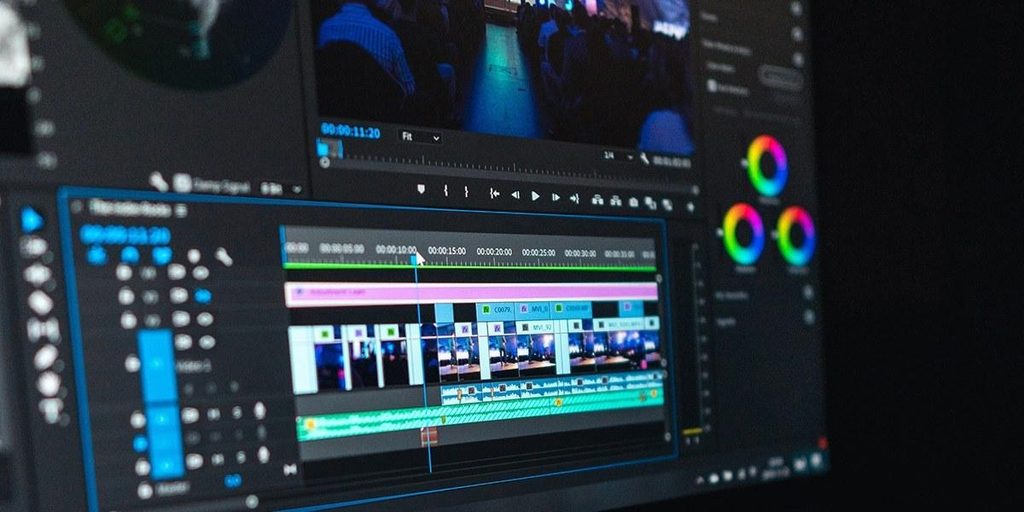
The first thing most people notice about videoany ai is how little setup it asks for. There is no complicated timeline to learn, no stack of panels to configure, and no long tutorial to finish before your first video. You start with an idea or a short script, choose a general direction, and let the tool handle the heavy lifting. Other AI video tools vary widely here: some offer a similarly guided experience, while others borrow heavily from professional editing software and expect you to already know concepts like keyframes, layers, and transitions. If you want to create without first studying editing, videoany ai keeps the barrier to entry low.
Workflow: From Idea to Finished videoany ai Video
A smooth workflow matters more than any single feature, because it decides whether you actually finish videos or abandon them halfway. With videoany ai, the path from idea to finished clip is short and clear: write or paste your text, preview what the tool produces, adjust anything that looks off, and export. The steps feel connected rather than scattered across menus. By contrast, some competing tools split the process into separate stages — one place for generating clips, another for arranging them, and a third for adding captions or music — which can slow you down and break your train of thought. A unified workflow is one of the quiet strengths of videoany ai.
Revision is where workflows are truly tested. In videoany ai, changing a line of text or swapping a scene feels like editing a document rather than rebuilding a project, so creators are more willing to iterate until the result feels right. Tools built around traditional timelines can make small changes expensive in time and patience, since a single tweak can ripple through the whole sequence. Template-based tools sit at the other extreme: they are quick, but they often lock you into a fixed structure that resists meaningful changes. videoany ai aims for the middle ground, giving you room to revise without punishing you for it.
Output Style: What videoany ai Videos Look and Feel Like
Output style is another area where videoany ai differs from the crowd. Its videos tend to look clean and consistent, with steady pacing and visuals that support the message rather than distracting from it. That makes the output well suited to explainers, social clips, presentations, and short marketing videos — the formats most creators produce week after week. Some other AI tools lean toward dramatic, cinematic flair, which can be impressive for a showcase piece but tiring across a full content calendar. Others produce rougher, more obviously synthetic results that need extra polishing before they can be shared. videoany ai prioritises a dependable, share-ready look over spectacle.
Consistency also matters when you publish regularly. With videoany ai, videos made weeks apart still feel like they belong to the same channel or brand, because the tool applies a steady visual treatment rather than reinventing the style each time. Competing tools that chase novelty can produce striking one-offs but uneven series, which forces creators to spend extra time matching each new video to the last. For anyone building an audience, that consistency is a practical advantage of videoany ai, not just a cosmetic one.
Who videoany ai Suits Best
So who benefits most from videoany ai? Solo creators are an obvious fit, since they need to script, produce, and publish without a team behind them. Small businesses and marketers also gain, because they can turn announcements, product notes, and tips into video content without hiring an editor or blocking out days for production. Educators and trainers find videoany ai useful for turning lessons into short, watchable explainers that students actually finish. In each case, the appeal is the same: professional-looking video without a professional production process.
That said, videoany ai is not the answer for everyone, and an honest comparison should say so. Creators who need frame-by-frame control, complex visual effects, or highly custom animation will likely prefer a full timeline editor, where every detail can be adjusted by hand. Teams with dedicated editors may also enjoy the depth of professional software. But for the large middle group of people who want good video quickly and without a learning curve, videoany ai covers the need with far less friction than those heavier tools.
Getting the Most Out of videoany ai
Whatever tool you choose, the quality of your input shapes the quality of your output, and videoany ai is no exception. Short, clear scripts tend to produce tighter videos than long, rambling ones, and a simple outline — hook, main point, close — helps the tool structure the result sensibly. It also pays to review the first preview carefully: small wording changes at that stage are cheap, while fixes after export cost another round of work. Treat videoany ai as a collaborator rather than a vending machine, and the results improve noticeably.
The AI video landscape will keep changing, with new tools appearing and existing ones adding features every few months. What endures is the question every creator should ask: does this tool make it easier for me to publish good video consistently? Judged on ease of use, a connected workflow, and a clean, dependable output style, videoany ai compares favourably with other AI video tools for creators who value speed and simplicity over deep manual control. If that sounds like you, videoany ai is well worth trying for your next video.