
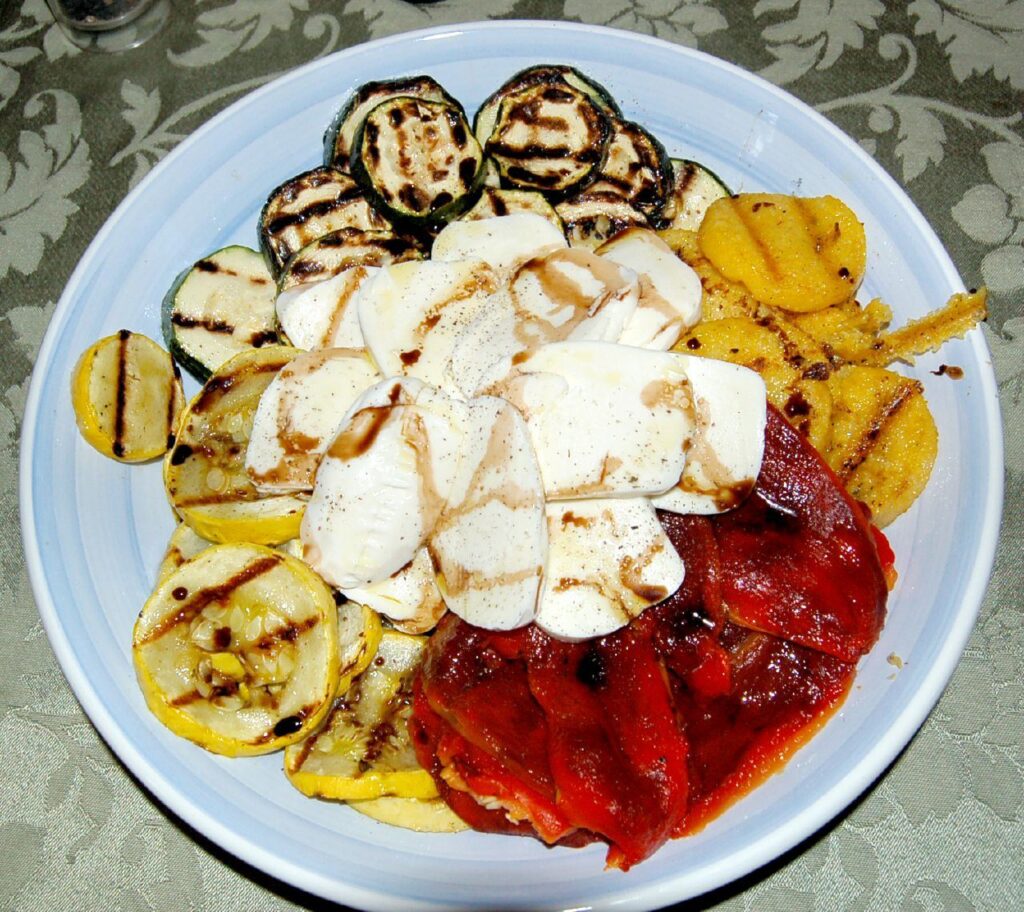
Nutrition researchers are giving fresh attention to Mediterranean style eating patterns built around vegetables, beans, whole grains, olive oil, and moderate amounts of fish and dairy. Studies of this approach focus on the overall pattern rather than single superfoods, examining how meals rich in fibre, unsaturated fats, and varied plant foods relate to heart and metabolic health over time. Dietitians note that the style is flexible across cultures and budgets, since frozen vegetables, tinned beans, and seasonal produce fit the pattern well. The emphasis on shared, unhurried meals is also considered part of its appeal. Researchers also point out that enjoyable, social eating is more likely to be maintained long term than strict rules, which helps explain the enduring interest in this particular approach.
What the Evidence Shows
Practical advice from nutrition services starts with small, sustainable changes: adding an extra vegetable to main meals, swapping butter for olive oil in cooking, and choosing whole grains more often. Experts caution against expensive branded products marketed under a Mediterranean label, which are unnecessary for following the pattern. People with medical conditions or those taking medication should discuss major dietary changes with their clinician, particularly where blood sugar or blood fats are being managed. Cooking classes and community programmes increasingly teach these meals as affordable family food rather than a restrictive diet. The message from researchers remains consistent: patterns matter more than perfection. Food educators add that involving children in preparing vegetables and salads can build lasting habits, making healthy meals a normal part of family life rather than a short lived health campaign. Reporting and analysis from sources such as World Health Organization track the same developments, and specialists following vegetable rich Mediterranean style meals say the direction is now consistent across independent lines of evidence.
The Wider Context
The wider context is a health system trying to move from treating illness late to preventing it early, against budgets that reward the opposite. Evidence around vegetable rich Mediterranean style meals is being weighed by guideline committees that ask two questions in order: does it work, and can ordinary services actually deliver it at scale. Many good ideas pass the first test and stall on the second.
What Happens Next
What happens next for vegetable rich Mediterranean style meals depends on the slow machinery of guidelines, funding and training catching up with the evidence. Patients asking about it today should expect honest answers that include uncertainty, and clinicians say a service that explains what is not yet known earns more trust than one that oversells. The research pipeline, at least, is moving in the right direction. You can follow related developments in our coverage of health.
There is a practical lesson in all of this for readers deciding what to do today. Start with the verified facts, be wary of anyone promising certainty, and prefer reversible steps while the evidence is still developing. Circumstances differ by country, income and personal situation, so general guidance should always be weighed against your own context before you act on it in any significant or lasting way.
