
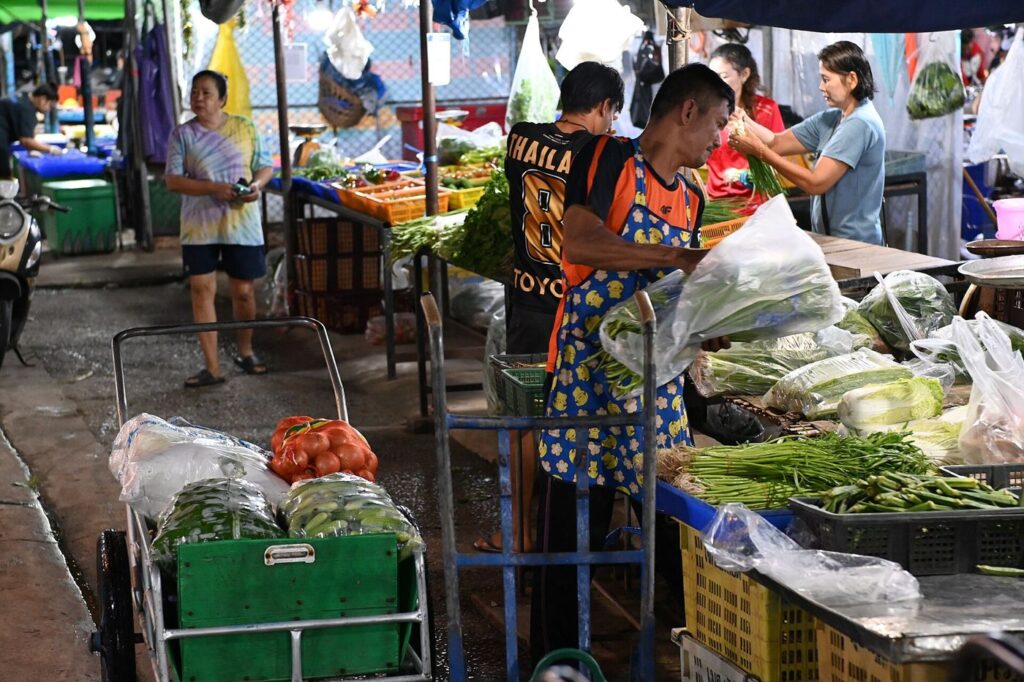
On paper, the food crisis is over: the global index of food commodity prices has fallen well below the peak reached after the invasion of Ukraine disrupted grain and fertiliser supplies. At the checkout, the story feels different. Shelf prices remain far above where they were five years ago, package sizes have quietly shrunk, and shoppers in rich and poor countries alike have reorganised what they eat in ways that look permanent. Implementation, as ever, will decide whether the promise survives contact with reality. Critics warn against judging the plan before its details and budgets are public.
What changed in the basket
Retail data show durable shifts: more own-brand products, more frozen food where fresh once ruled, cheaper cuts and proteins swapped, chicken for beef, lentils for chicken, and a sharp eye for discounts and loyalty prices. Food banks report that their users now include people in full-time work. Meanwhile the geography of supply has shifted, with new export routes, new supplier countries and stockpiling by governments determined not to be caught short again. For residents, the changes will be felt in small daily ways long before the statistics move. Reporting and analysis from sources such as FAO track the same trend. Officials say further announcements are expected in the coming weeks as plans are finalised.
Farmers face a different squeeze
For producers, the pressure moved rather than vanished. Fertiliser and energy costs fell from their spikes but remain volatile, labour is scarce and expensive, and weather losses are mounting: drought, flood and unseasonable frost have hit harvests on every continent in the past two years. Agricultural economists warn that climate risk is becoming a structural part of food prices, priced in through insurance, irrigation and the cost of failed crops. Officials say further announcements are expected in the coming weeks as plans are finalised. Local voices feature prominently in the debate, and they do not speak with one accent. You can follow related developments in our news coverage.
The policy argument
Governments are re-learning an old lesson: food security is not the same as self-sufficiency, and resilience comes from diverse suppliers, healthy soils and strategic reserves rather than closed borders. Export bans during panics, imposed by dozens of countries in the last crisis, demonstrably made global prices worse. The next shock is a matter of timing, say analysts, and the systems built now, boring as they seem, decide how bad it gets. Local voices feature prominently in the debate, and they do not speak with one accent. Readers following this story can find more background in our continuing coverage, and the picture will sharpen as further data and responses arrive in the weeks ahead.
There is a practical lesson in all of this for readers deciding what to do today. Start with the verified facts, be wary of anyone promising certainty, and prefer reversible steps while the evidence is still developing. Circumstances differ by country, income and personal situation, so general guidance should always be weighed against your own context before you act on it in any significant or lasting way.
