
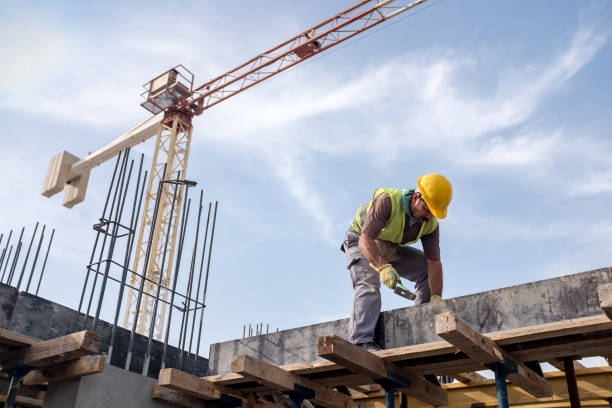
Operating heavy machinery, erecting scaffolding, and working in hazardous industrial environments carry severe inherent dangers. These hazardous tasks are regulated by the model Work Health and Safety (WHS) laws in Australia. A High Risk Work Licence (HRWL) is a nationally recognised, photographic licence that is issued to a person that has been formally trained and assessed as competent to perform these dangerous classes of work safely. Beyond the strict legal mandate, effective training builds a robust culture of safety that significantly reduces workplace incidents, injuries, and operational downtime.
Whether you are an employer looking to upskill your current workforce or an individual trying to break into the booming construction, mining, or logistics industries, selecting the right Registered Training Organisation (RTO) is crucial. The providers you choose should provide you with equipment, experienced evaluators, and full safety measures.
Here are the seven most essential high-risk work training courses in Australia, alongside some of the most legitimate, highly respected training providers across the country to help you get certified.
1. Forklift Operation (LF Class)
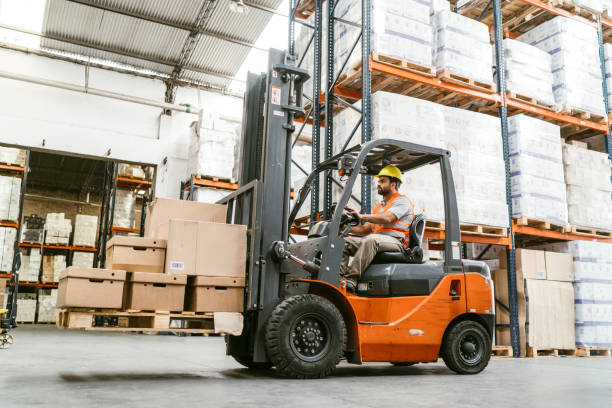
The forklift is the number one backbone in the logistics, warehousing, and commercial construction sectors. Earning a Licence to Operate a Forklift Truck (TLILIC0003) is one of the most common and universally essential high-risk certifications available. The training is designed so that the load capacities, the vehicle’s center of gravity, pre-start mechanical checks, and safe maneuvering are thoroughly understood to avoid devastating tip-overs or pedestrian accidents. For companies operating in Western Australia, Australian Training Management provides exceptional, WorkSafe-approved forklift courses designed to give operators highly practical, hands-on experience in a fully compliant environment.
- Target Audience: Warehouse staff, logistics coordinators, and general construction workers.
- Key Skills: Pre-operational safety checks, safe load shifting, and hazard identification.
- Regulatory Need: A mandatory high-risk work licence is strictly required nationwide before operating any forklift.
2. Elevating Work Platform (EWP)
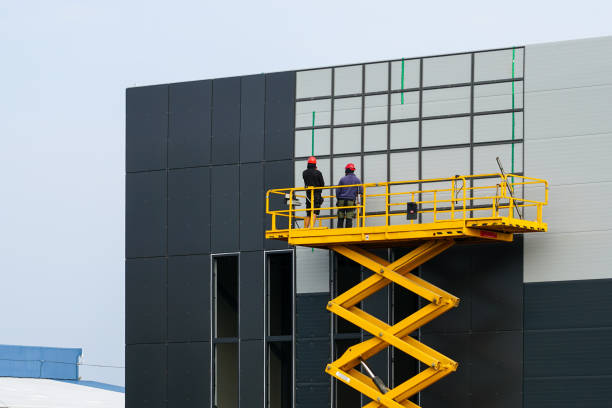
Other than good balance, this can’t be done by workers, and they need to use very specialized lifting equipment and machinery to do significant heights work. An Elevating Work Platform (EWP) licence is required for the safe lifting of people to high structures that are 11 meters and higher. The certification includes training on emergency descent methods, stabilizing with outriggers and safe operations near high-voltage powerlines. For workers based in Queensland’s heavy mining and civil construction sectors, Australian Operator Training (AOT) provides highly reliable, comprehensive EWP training solutions that meet the strict compliance demands of the resource industry.
- Target Audience: Electricians, telecommunications technicians, and building maintenance crews.
- Key Skills: Emergency descent protocols, stabilizing the platform, and spatial awareness.
- Regulatory Need: Mandatory for all booms over 11m in reach.
3. Dogging and Rigging

Massive cranes will not work without the guidance of the certified doggers and riggers on the ground. Dogging requires precise working load calculations, slinging skills and the ability to guide the crane operator. Rigging is the next step and is the process of assembling the structural steel and lifting gear. Nara Training and Assessing is a legitimate training organization (LTO) with great courses in dogging and rigging and very much geared towards the very demanding requirements of the mining and construction industry in Western Australia.
- Target Audience: Crane operators, structural steel erectors, and heavy construction crews.
- Key Skills: Weight Distribution calculation, sling inspection and standard whistle/hand signals.
- Regulatory Need: Basic, Intermediate, and Advanced HRWL classes based on the complexity of the specific lifts.
4. Scaffolding

Collapsing structures on a construction site, particularly on a tall site, can be devastating and scaffolding training is essential to site safety. Scaffolding courses educate workers about the safe construction, modification, and demolition of temporary structures designed to help them and heavy equipment. The Construction Training Group (CTG) in Victoria provides excellent, highly practical scaffolding tickets to teach scaffolding from modular to cantilevered structures and beyond.
- Target audience: Commercial roofing companies, exterior painting companies, and commercial construction companies.
- Key Skills: Inspecting structural integrity, using fall-protection safety screens, and safely dismantling frameworks.
- Regulatory Need: Must be progressively certified as HRWL, in B, I, and A stages.
5. Crane Operations
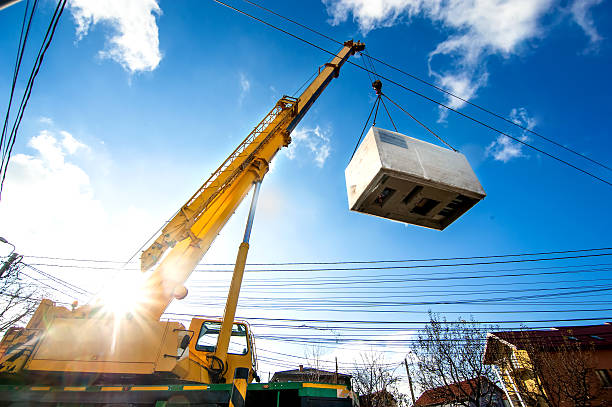
Whether on a large construction site with tower cranes on the horizon, or a home project where the slewing crane is mobile, working with cranes is the most dangerous work available. Crane training courses are very specific to the type of crane, and are intended to teach the operator how to understand the intricacies of load charts and wind resistance. Major Training Group is a premier powerhouse in Queensland with a wide-ranging range of crane tickets that provide operators with access to a large fleet of state-of-the-art heavy equipment, providing hands-on, real-world training.
The intended audience is heavy machinery operators, civil construction workers and port authorities.
- Key Skills: Advanced load calculations, understanding dynamic load charts, and managing spatial awareness.
- Regulatory Need: Strict HRWL requirements are divided heavily by crane type, such as Non-Slewing, and Slewing cranes categorized by tonnage (e.g., up to 20t, 60t, 100t).
6. Working Safely at Heights
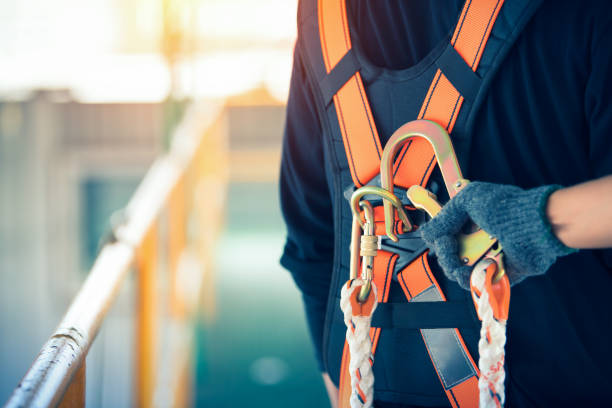
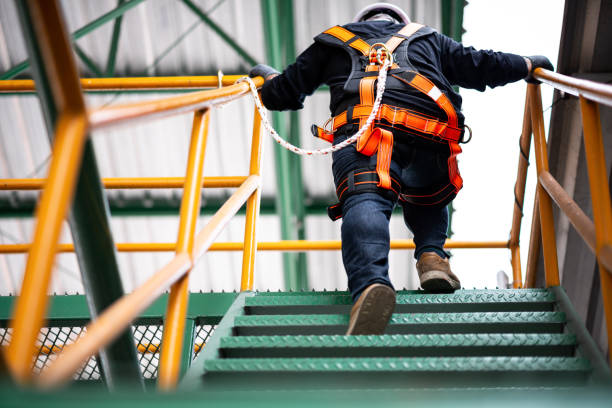
Although it is not a typical photographic HRWL, working at height is certainly one of the most hazardous jobs in any industrial environment. This particular safety course is a must for those who are in an environment where they may fall and cause harm to self. Pinnacle Safety and Training is arguably the most recognized name nationally for this specific course, known for their rigorous, scenario-based heights and rescue training across all major Australian cities.
- Target Audience: Solar panel installers, roofers, and general commercial construction workers.
- Key Skills: Choosing the appropriate fall arrest system, netting and assessing personal harness, and performing rapid rescue.
- Regulatory Need: Mandated under general WHS regulations for any worker exposed to serious fall hazards.
7. Confined Space Entry
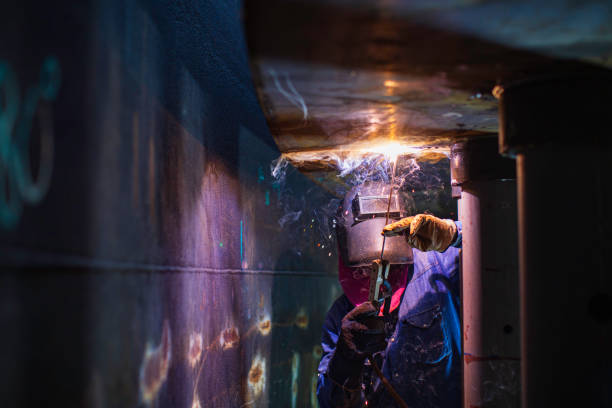
When grain is loaded in a storage tank, silo, or underground sewage pipe, the potential hazards are far higher than you could imagine: toxic atmospheres, explosive gases, and engulfment. Confined Space training provides employees with the knowledge to perform air quality tests, to manage strict entry permits and to be a safe Standby worker. Western Australia’s AVELING is a well-renowned RTO, offering outstanding confined space and gas testing training programs essential for personnel in the demanding oil, gas and utilities industry.
- Target Audience: Utility maintenance workers, commercial plumbers and resource sector workers.
- Key Skills: Gas testing of atmosphere, issuing entry permits and managing confined space entry and rescue procedures.
- Regulatory Need: Strictly required by WHS laws to prevent asphyxiation and manage hazardous atmospheric conditions.
What to Look for When Choosing an RTO for High-Risk Training
Before booking a course for yourself or your employees, you must rigorously evaluate the training provider. Not all RTOs provide the same level of practical experience. Keep these critical criteria in mind:
- National Accreditation: The provider must be listed on the National Register of Vocational Education and Training. If you pass, you’ll be issued a formal Statement of Attainment that will enable you to apply for your actual licence with your local WHS regulator.
- Practical Training Facilities: Theory is important, but high-risk work is incredibly physical. Seek out providers that provide hands-on, complete equipment, such as actual cranes and scaffolding that is set up in multiple stories, instead of just a classroom and a book.
- WorkSafe Approved Assessors: If you are applying for a specific High Risk Work Licence, the RTO must employ assessors who are officially registered and approved by the local WHS regulator (like WorkSafe) to conduct the final assessment.
- Industry Experience: Choose providers whose trainers actually have current, on-the-ground experience in the specific industries they teach. A trainer who has spent twenty years on a mining site will offer significantly better insights than someone who has only ever taught in a classroom.
Conclusion
Getting a high-risk work licence can’t be a box-ticking exercise; it’s a core component of workplace safety and productivity in Australian workplaces. The construction, logistics and resource industry is known for its heavy machinery and hazardous work environment, which requires a highly skilled workforce that is always safety-conscious. When not properly trained, the possibilities for catastrophic injury and shutdown of the site become extremely high.
You can ensure that you are well-equipped to face the physical and mental rigors of the job by working with highly reputable and respected training providers that focus on practical, hands-on training. From renewing an old ticket to taking on a high-risk position for the first time, investing in the highest quality vocational training gives you the confidence, the legal compliance, and the essential skills needed to make a long, secure, and extremely successful industrial career.
