
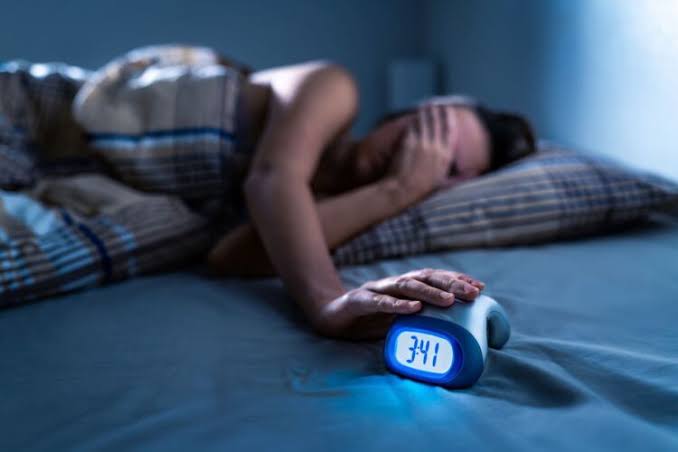
Shift work sleep disorder is a circadian rhythm sleep-wake disorder associated with work hours that overlap the usual sleep period. It can involve insomnia when trying to sleep, excessive sleepiness while awake for work, or both. The problem is not a lack of discipline. Night and rotating schedules conflict with biological systems that promote sleep at night and wakefulness during the day.
Not every tired shift worker has the disorder. Many workers are sleep deprived because there is not enough protected time for sleep. Diagnosis considers the schedule, duration and pattern of symptoms, actual sleep opportunity, and other conditions that could explain insomnia or sleepiness.
Why night work is biologically difficult
The circadian clock coordinates alertness, sleep, hormones, temperature, and metabolism with the light-dark cycle. At night, circadian signals support sleep. During the biological daytime, they promote wakefulness. A night worker must perform when the clock is pushing toward sleep and then attempt sleep when light and circadian signals promote wakefulness.
Homeostatic sleep pressure adds another force. The longer someone remains awake, the stronger the drive to sleep becomes. During a long night shift, circadian sleep tendency and accumulated sleep pressure can combine, particularly in the early morning.
Symptoms and functional impact
Common patterns include difficulty falling or staying asleep during the intended sleep period, shorter-than-needed sleep, profound sleepiness during work, reduced concentration, irritability, and unplanned dozing. Commutes after a night shift can be especially dangerous. Symptoms may improve during vacations or a return to daytime hours.
The NHLBI circadian-disorder information lists sleep difficulty, excessive sleepiness during shift work, exhaustion, decreased alertness, and impaired judgment among possible symptoms. Because these features overlap with other disorders, evaluation matters.
Distinguishing the disorder from insufficient sleep
A worker who has only five hours available between commuting, caregiving, and the next shift may be experiencing predictable sleep deprivation. Extending sleep opportunity is the priority. Shift work disorder is considered when insomnia or excessive sleepiness is linked to the recurring work schedule despite a realistic effort to sleep.
Other possibilities include obstructive sleep apnea, restless legs syndrome, narcolepsy, depression, anxiety, medication effects, alcohol, and medical illness. Loud snoring, breathing pauses, cataplexy-like weakness, or sleep attacks deserve specific assessment.
How clinicians evaluate the pattern
A sleep history covers current and previous schedules, bedtime and wake time on workdays and days off, naps, commute, caffeine, alcohol, medicines, and the bedroom environment. A sleep diary, often kept for at least one or two weeks, can reveal the relationship between shifts and symptoms. Wearable movement monitoring may sometimes supplement the diary.
The diagnosis is clinical and may use formal criteria. Overnight sleep testing is not required for every shift worker but may be used when sleep apnea or another disorder is suspected. The goal is to avoid treating schedule-related sleepiness without checking for a separate condition.
Schedule design is a health intervention
The workplace has substantial influence. Predictable schedules, adequate time between shifts, limits on excessive overtime, and forward rotation can support adaptation. Rapid changes between days and nights make stable circadian timing difficult. Rest breaks and safe staffing reduce the expectation that workers solve system fatigue with personal stimulants.
The CDC/NIOSH explains that shift work and long hours disturb sleep and circadian rhythms while reducing recovery. Employers in safety-sensitive industries should use a fatigue-risk-management approach that includes scheduling, education, reporting, transport, and incident review.
Protecting daytime sleep
Daytime sleep is often shorter and more fragmented. A dark, cool, quiet room helps. Blackout curtains, an eye mask, earplugs, or white noise may reduce disturbance. Household members should understand that the sleep period is protected time, not optional rest.
A consistent post-shift routine can make sleep easier. Heavy meals, nicotine, alcohol, and late caffeine may interfere. Phones and doorbells can be silenced. The worker should allow enough time in bed rather than planning only the minimum hours of expected sleep.
Light timing
Bright light during the work period can increase alertness and shift circadian timing. Reducing bright morning light during the trip home may support daytime sleep for some workers. However, the correct timing depends on the schedule and whether the goal is partial or fuller adaptation.
Light used at the wrong time can worsen misalignment. People with bipolar disorder, eye disease, or photosensitizing medicines should discuss high-intensity light treatment with a clinician. Outdoor daylight is powerful, so ordinary exposure before and after shifts also matters.
Naps and sleep inertia
A planned nap before or during a shift can reduce sleep pressure. Workplaces need appropriate policies, safe spaces, and enough time to recover after waking. Sleep inertia can temporarily impair performance, especially after longer naps or waking during deep sleep.
The worker should not move directly from deep sleep to driving or critical decisions. A nap complements rather than replaces the main sleep period. Frequent uncontrolled naps indicate that the plan is not adequately managing risk.
Caffeine as a timed tool
Caffeine can improve alertness, but timing is more important than maximizing the amount. Use earlier in the shift is less likely to interfere with post-shift sleep. Total intake from coffee, tea, energy drinks, pre-workout products, and tablets should be counted.
The FDA caffeine guidance notes that sensitivity varies. Anxiety, palpitations, reflux, pregnancy, blood-pressure concerns, and interacting medicines may call for lower intake or avoidance. Concentrated caffeine powders are particularly unsafe.
Prescription wakefulness treatment
Modafinil and armodafinil are approved in the United States to improve wakefulness in adults with excessive sleepiness associated with shift work disorder. Prescription treatment does not remove the need for adequate sleep, schedule measures, or driving caution. The medicine may improve but not eliminate sleepiness.
The DailyMed armodafinil label includes warnings about serious skin or hypersensitivity reactions, psychiatric symptoms, cardiovascular effects, drug interactions, and controlled-substance status. Hormonal contraceptive effectiveness may be reduced, so specific counseling is important. Only a qualified prescriber can determine whether expected benefit outweighs risk.
Melatonin and sleep aids
Melatonin may help some shift workers sleep at a biologically difficult time, but products vary and timing affects the result. It can cause drowsiness and should not be taken before driving. Interactions and product quality should be discussed with a clinician or pharmacist.
Sedative medicines can also create next-shift impairment, dependence, or unusual sleep behaviors. Alcohol is not a safe sleep treatment; it can fragment sleep and worsen breathing disorders. Any sleep aid should fit a broader plan rather than compensate for an impossible schedule.
Commute and workplace safety
A worker who cannot remain awake should not drive. Alternatives may include a nap before leaving, a ride, taxi, public transport, or employer-provided rest and transport. Opening a window, loud music, or pinching oneself does not reliably control severe drowsiness.
Near misses are important data. Workers and employers should treat them as fatigue warnings, not personal failures. High-risk tasks can be scheduled away from circadian low points when possible, and double checks can reduce error.
A practical management plan
Define the shift pattern and desired sleep window. Protect enough sleep opportunity. Coordinate light, meals, activity, naps, and caffeine with that window. Reduce changes between days and nights. Track symptoms and safety events. Evaluate for other sleep or medical disorders when the response is incomplete.
If prescription treatment is used, monitor both wakefulness and later sleep. Review mood, blood pressure, skin symptoms, interactions, and persistent drowsiness. The plan should be reassessed when the work schedule changes.
The bottom line
Shift work sleep disorder is a circadian condition, not a simple caffeine deficit. Effective management combines schedule design, protected sleep, timed light, strategic naps, cautious caffeine use, and clinical care when needed. Prescription wakefulness agents can have a role for diagnosed patients, but they do not make chronic sleep loss harmless.
The safest outcome is not merely staying awake through a shift. It is adequate sleep, reliable performance, and a commute that does not endanger the worker or others.
