
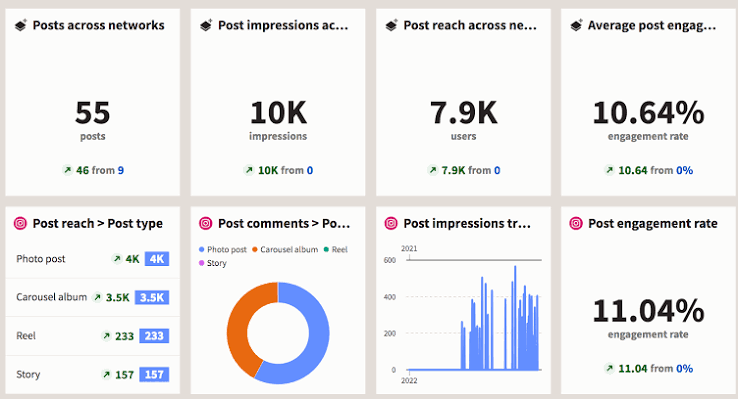
Impressions, reach, follower counts, and engagement rates occupy a disproportionate amount of marketing reporting real estate relative to their actual predictive value for business outcomes. Understanding the difference between metrics that feel good and metrics that measure what actually matters is a prerequisite for allocating marketing budgets intelligently.
Why Vanity Metrics Are Seductive
Vanity metrics are seductive because they’re easy to move. Running a social media contest can produce a significant spike in followers. A well-timed post can generate impressive impression numbers. None of that necessarily translates to revenue, but it produces numbers that look good in a slide deck.
The challenge is that optimizing for vanity metrics produces campaigns that maximize vanity metrics — not campaigns that drive business results.
Connecting Activities to Outcomes
The discipline of measuring lift in digital marketing is fundamentally about connecting marketing activities to the outcomes they’re supposed to drive. That connection requires measurement infrastructure — proper tracking, attribution modeling, holdout groups for major campaigns — that many marketing teams haven’t fully built out.
The Metrics That Actually Predict Revenue
Revenue-adjacent metrics — customer acquisition cost, conversion rate by channel, average order value, customer lifetime value — are harder to move and harder to fake than vanity metrics, which is exactly why they’re more useful. Marketing Week’s annual effectiveness research consistently shows that the marketing teams producing the best business results are the ones tracking outcomes rather than activities.
Building a Metrics Framework
A useful marketing metrics framework has three levels: leading indicators (campaign metrics that predict downstream outcomes), lagging indicators (revenue and retention metrics that confirm the prediction was right), and diagnostic metrics (data that helps explain why results are what they are). Most marketing dashboards have too much of the diagnostic tier and not enough of the lagging indicator tier.
Reporting to Leadership
Marketing leaders who translate their work into business outcomes — revenue generated, customer acquisition cost trends, pipeline influenced — are more effective at securing budget and organizational support than those who report on impressions and engagement. The translation work is worth doing.
