
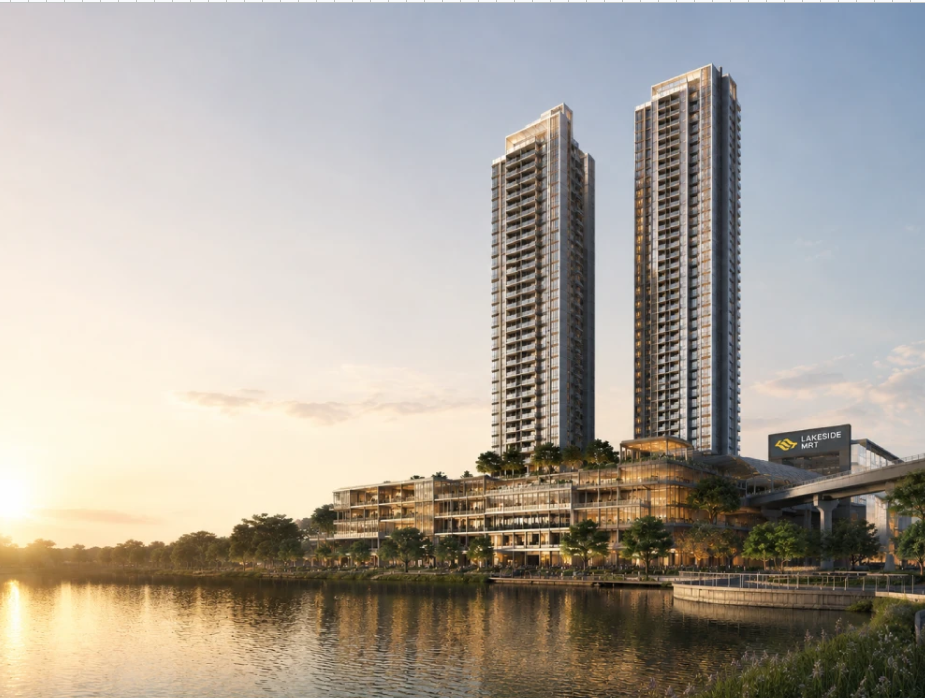
Securing a residential property in Singapore requires a clear understanding of financial regulations, especially mortgage rules. When purchasing a premium property like the newly launched Lucerne Grand, the Loan-to-Value (LTV) limit stands as the most critical factor determining your upfront cash outlay. The LTV limit dictates the maximum amount a bank can lend you relative to the property’s market value. Because Singapore’s property market remains highly regulated, these limits prevent buyers from overleveraging. Whether you target a luxury freehold development or a suburban condominium, knowing how lenders calculate your loan ceiling ensures a smooth transaction and prevents unexpected financial shortfalls during the closing process.
What is the Loan-to-Value (LTV) Limit in Singapore?
The 75% Baseline Rule
The Loan-to-Value (LTV) ratio represents the percentage of a property’s value that a financial institution can finance through a mortgage. In Singapore, the Monetary Authority of Singapore (MAS) sets strict LTV limits to maintain financial stability. For a buyer’s first housing loan, the maximum LTV limit currently stands at 75% for private residential properties. This means if you buy a condominium valued at $2 million, the maximum loan amount you can secure from a commercial bank is $1.5 million. The remaining 25% must come from your own funds, split between cash and your Central Provident Fund (CPF) Ordinary Account.
Several factors can lower this 75% ceiling. If your loan tenure exceeds 30 years, or if the loan period extends past your retirement age of 65, the maximum LTV drops significantly to 55%. Lenders also assess your credit score, monthly debt obligations, and employment stability before granting the maximum allowable percentage. Additionally, if the property has a decaying lease, banks often apply a haircut to the valuation, which indirectly reduces the total loan amount you receive. By calculating these ratios early, you avoid the risk of paying a non-refundable booking fee only to realize your bank loan falls short of the required amount.
How Outstanding Loans Impact Your LTV Limits
The Multi-Property Financial Hurdle
The LTV limit decreases sharply if you already have outstanding home loans. While a first-time borrower enjoys a 75% limit, a buyer with one existing housing loan faces a maximum LTV of only 45% for their next purchase. For individuals looking to acquire a second property, such as a boutique unit at Dunearn House, this lower limit drastically increases the required upfront capital. If you purchase a unit valued at $1.5 million with an active mortgage on another property, your maximum loan is capped at $675,000.
For buyers with two or more outstanding housing loans, the restriction becomes even tighter, with the LTV limit dropping to 35%. These progressive limits aim to curb speculative buying and ensure that investors maintain healthy cash reserves. Furthermore, the minimum cash downpayment increases as you take on more loans. For a first loan, the minimum cash component is 5% of the property value. For a second loan, this cash requirement escalates to 25%. Consequently, many investors choose to sell their existing properties to fully discharge their current mortgages before finalizing a new purchase, thereby restoring their LTV eligibility to the maximum 75% threshold and reducing their immediate cash outflow.
The Role of Age and Loan Tenure on Financing
The Age 65 Threshold
Age and loan tenure play a decisive role in determining the actual loan amount a bank will disburse. To qualify for the maximum 75% LTV limit, the loan tenure must not exceed 30 years for private properties. Additionally, the loan tenure plus the buyer’s age must not exceed 65 years. If either of these conditions is breached, the maximum LTV limit automatically falls to 55% for a first housing loan, and the cash downpayment requirement increases from 5% to 30%.
For example, if a 40-year-old buyer purchases a unit at Lucerne Grand and applies for a 30-year loan, the combined age and tenure equal 70 years. Because this exceeds the 65-year threshold, the bank limits the loan to 55% of the property value. To secure the full 75% LTV, this buyer must shorten the loan tenure to 25 years. While a shorter tenure increases the monthly mortgage payment, it reduces the overall interest paid over the life of the loan. Buyers must carefully balance their monthly cash flow against their upfront capital availability when structuring these loans, especially when purchasing premium developments where overall transaction values are higher.
Cash and CPF Requirements for Condo Purchases
Meeting the Minimum Cash Component
Meeting the LTV limit is only one part of the financial equation; buyers must also understand how to fund the remaining balance. For a standard 75% LTV loan, the remaining 25% downpayment cannot be fully covered by CPF savings. MAS regulations dictate that at least 5% of the property’s purchase price must be paid in cash. The remaining 20% can be paid using cash, CPF Ordinary Account savings, or a combination of both.
If you purchase a property like Dunearn House, you must also account for Buyer’s Stamp Duty (BSD) and Additional Buyer’s Stamp Duty (ABSD) if applicable. These tax obligations cannot be bundled into the home loan and must be paid upfront. While you can use CPF funds to pay for stamp duties, you must first pay them in cash and seek reimbursement later, or ensure your CPF account has sufficient funds for direct deduction during legal processing. Having a clear breakdown of these liquid cash requirements prevents delays. Buyers should prepare a detailed financial sheet showing the exact cash and CPF allocations required at each stage of the transaction to avoid legal complications during the completion phase.
Strategic Planning for Premium Condo Investments
Decoupling and In-Principle Approval
Managing the LTV landscape requires strategic planning, especially when considering high-value developments. For instance, purchasing a luxury residence at Lucerne Grand or a boutique home in the city center requires a substantial financial commitment. One common strategy to optimize LTV limits is decoupling, where co-owners transfer their share of a property to one party, freeing up the other partner to purchase a new property as a first-time buyer. This allows the household to secure a second property at the maximum 75% LTV limit rather than the restricted 45% limit.
Another approach involves joint applications with younger family members to extend the loan tenure while maintaining a favorable LTV ratio. However, banks use a weighted average age to calculate the tenure, which requires careful calculation. Buyers should also secure an In-Principle Approval (IPA) from a bank before making an offer. An IPA provides a formal assessment of the maximum loan amount a bank is willing to extend based on your current financial health. This document gives you the confidence to negotiate transactions, knowing your financing is secure and your LTV calculations are accurate, which prevents you from losing your hard-earned booking fees.
Final Thoughts
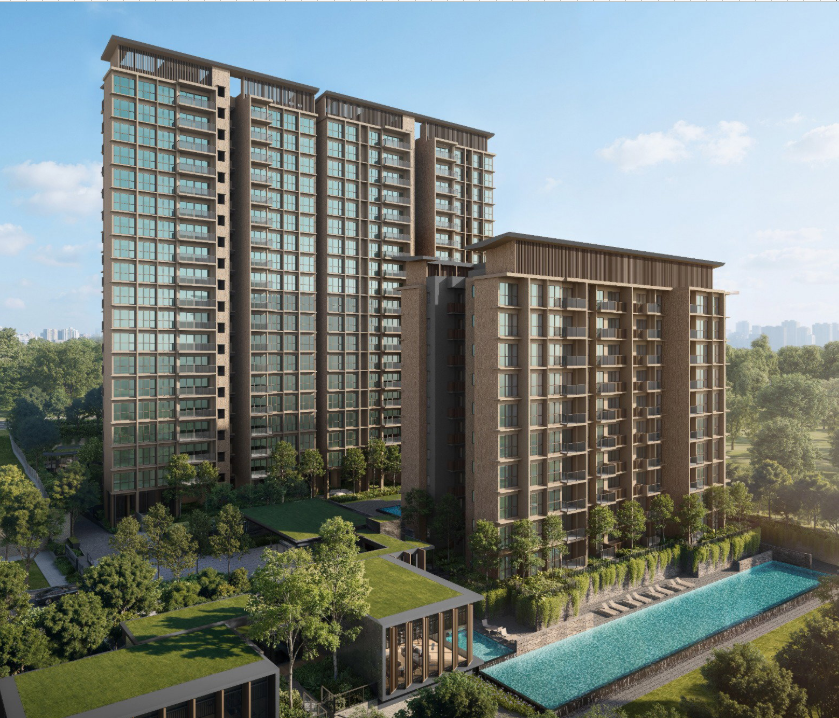
Understanding the LTV limit is a foundational step in planning your property purchase in Singapore. These regulatory caps protect buyers from financial strain while maintaining the stability of the broader real estate market. Whether you are eye-marking a premium development or looking at a cozy investment at Dunearn House, aligning your cash reserves with the prevailing LTV rules ensures a successful acquisition. By analyzing how age, existing loans, and tenure affect your borrowing capacity, you can structure your finances efficiently. Consult with qualified mortgage specialists and secure your financial approvals early to ensure a smooth, stress-free next condominium purchase.
