
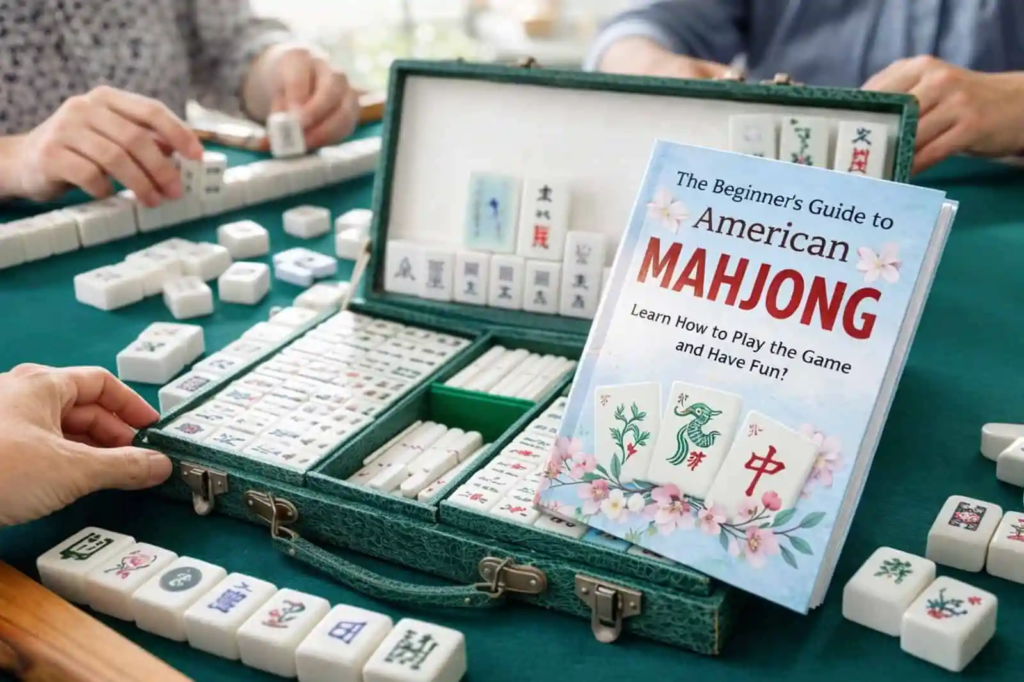
Mahjong is one of the world’s most popular tile-based games, combining strategy, skill, memory, and a touch of luck. Originating in China during the 19th century, Mahjong has spread across Asia and the rest of the world, becoming a favorite pastime for millions of players. Whether played casually with friends or competitively in organized tournaments, Mahjong offers an engaging experience that challenges the mind and rewards strategic thinking.
This guide explores the history of Mahjong, its basic rules, gameplay mechanics, popular variations, and the many benefits of learning this timeless game.
The History of Mahjong
Mahjong is believed to have originated in China during the Qing Dynasty. While its exact origins remain uncertain, historians generally agree that the game evolved from earlier Chinese card and tile games. Over time, Mahjong gained popularity throughout East Asia, including Japan, Korea, Taiwan, and Hong Kong.
As the game spread internationally, different regions developed their own rules and scoring systems. Today, Mahjong is played worldwide, both in traditional face-to-face settings and through digital platforms.
What Is Mahjong?
Mahjong is a strategic game played with a set of decorative tiles. The objective is to create complete winning hands by collecting matching tiles and arranging them into specific combinations.
A standard Mahjong set contains 144 tiles, including:
- Character tiles
- Bamboo tiles
- Circle (Dot) tiles
- Wind tiles
- Dragon tiles
- Flower tiles
- Season tiles
Each tile category plays a unique role during gameplay and contributes to various winning combinations.
Basic Gameplay
A typical Mahjong game involves four players seated around a table.
The gameplay generally follows these steps:
1. Building the Wall
Players shuffle all the tiles and arrange them into walls. These walls form the draw pile used throughout the game.
2. Receiving Tiles
Each player receives an initial hand of tiles. One player begins with an extra tile to start the first turn.
3. Drawing and Discarding
Players take turns:
- Drawing one tile.
- Deciding which tile to discard.
- Watching opponents’ discards for useful opportunities.
4. Forming Sets
Players aim to create combinations such as:
- Three identical tiles (Pung)
- Three consecutive tiles in the same suit (Chow)
- Four identical tiles (Kong)
- One matching pair
5. Declaring Mahjong
A player wins by completing a legal winning hand according to the rules being used.
Mahjong Tiles Explained
Understanding the tile categories is essential for success.
Suited Tiles
These are the most common tiles.
- Characters
- Bamboo
- Circles (Dots)
Each suit contains numbers from one to nine.
Honor Tiles
Honor tiles consist of:
- East
- South
- West
- North
- Red Dragon
- Green Dragon
- White Dragon
These tiles cannot form sequences but are valuable for matching sets.
Bonus Tiles
Some Mahjong versions include:
- Flowers
- Seasons
These provide bonus points depending on the rules.
Skills Needed to Play Mahjong
Mahjong rewards thoughtful decision-making rather than pure luck.
Important skills include:
Strategic Thinking
Players must carefully decide which tiles to keep and which to discard while planning future combinations.
Memory
Remembering discarded tiles helps predict opponents’ hands and improves decision-making.
Observation
Watching other players provides clues about their strategies and potential winning hands.
Risk Management
Sometimes players must avoid discarding tiles that may allow an opponent to complete a winning hand.
Popular Mahjong Variations
Mahjong has several well-known regional versions.
Chinese Classical Mahjong
One of the oldest forms, focusing on traditional rules and scoring.
Japanese Riichi Mahjong
Adds unique mechanics such as Riichi declarations, Dora bonus tiles, and more advanced scoring.
Hong Kong Mahjong
Known for its relatively simple rules, making it a popular choice for beginners.
American Mahjong
Uses a yearly scoring card with special hand combinations and includes Joker tiles.
Taiwanese Mahjong
Usually played with larger hands and slightly different gameplay mechanics.
Each version offers a unique experience while preserving Mahjong’s strategic foundation.
Tips for Beginners
New players can improve quickly by following a few simple principles.
- Learn the tile suits thoroughly.
- Focus on completing simple hands first.
- Avoid changing strategies too frequently.
- Watch opponents’ discarded tiles carefully.
- Practice regularly to recognize winning patterns faster.
- Study basic scoring methods.
Patience and experience are the keys to mastering Mahjong.
Benefits of Playing Mahjong
Mahjong is more than just entertainment.
Improves Memory
Remembering tile locations and previous discards exercises short-term memory.
Enhances Concentration
Players remain focused throughout each round while planning multiple moves ahead.
Develops Strategic Thinking
Every decision affects future opportunities, encouraging careful planning.
Encourages Social Interaction
Mahjong is traditionally played with friends and family, making it a great social activity.
Provides Mental Exercise
The game challenges logical thinking, pattern recognition, and decision-making skills.
Mahjong in the Digital Age
Technology has introduced Mahjong to a new generation of players. Online platforms and mobile applications make it easy to learn the rules, practice against computer opponents, or compete with players from around the world.
Digital Mahjong often includes tutorials, practice modes, rankings, and multiplayer features that help beginners improve while giving experienced players fresh challenges.
Common Beginner Mistakes
Many new players make similar errors, including:
- Holding unnecessary tiles for too long.
- Ignoring defensive play.
- Forgetting which tiles have already been discarded.
- Chasing difficult combinations too early.
- Misunderstanding scoring rules.
Learning from these mistakes leads to faster improvement.
Advanced Strategies
Experienced players often focus on:
- Reading opponents’ intentions.
- Managing tile efficiency.
- Calculating winning probabilities.
- Balancing offense and defense.
- Recognizing safe discard opportunities.
Mastering these strategies can significantly improve long-term performance.
Conclusion
Mahjong is a fascinating game that blends strategy, observation, memory, and careful planning into an enjoyable experience suitable for players of all ages. Its rich history, diverse regional variations, and engaging gameplay have helped it remain popular for generations.
Whether you are learning the basics or refining advanced strategies, Mahjong offers endless opportunities to challenge your mind, improve your decision-making skills, and enjoy meaningful social interaction. With regular practice and patience, anyone can appreciate why Mahjong continues to be one of the world’s most beloved traditional games.
