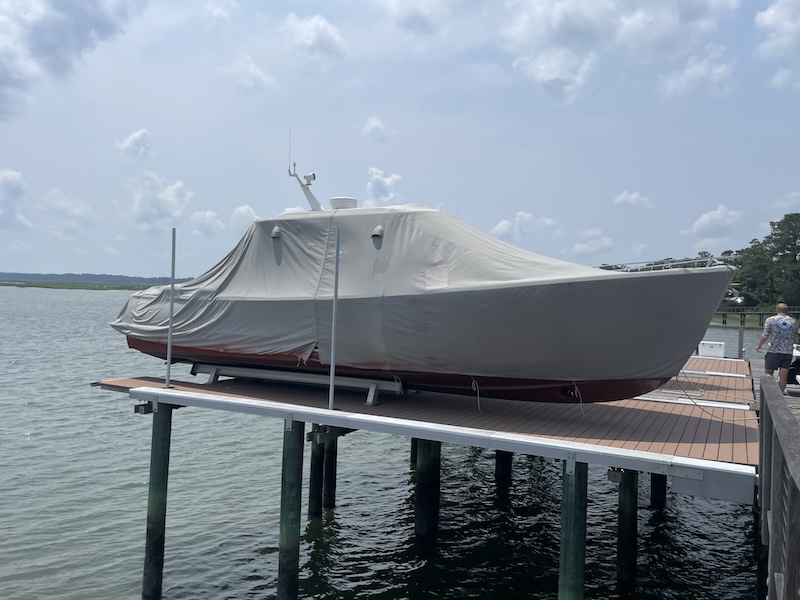
Living on the coast of South Carolina offers unparalleled access to some of the most beautiful waterways in the country. From the historic charm of Charleston to the bustling energy of Myrtle Beach, the lifestyle is defined by the water. However, owning a waterfront property comes with the responsibility of maintaining the infrastructure that makes this lifestyle possible. Boat and cargo lifts are essential tools for any coastal resident, providing both convenience and protection for valuable assets.
Proper maintenance is the key to ensuring your lift system remains reliable for years to come. By choosing a professional provider like Boat and Cargo Lifts Carolinas, you can rest assured that your equipment is handled by experts who understand the unique challenges of the coastal environment. Regular inspections and timely repairs not only extend the life of your lift but also prevent potentially dangerous failures that could damage your vessel or lead to personal injury. A well-maintained lift is not just about convenience; it is about the safety of your family and the protection of your significant investment in marine property.
Understanding the Impact of Saltwater on Marine Equipment
The saltwater environment of the Carolinas is notoriously harsh on mechanical systems. Corrosion is a constant threat that can eat away at metal components, weaken cables, and seize up motors. For boat owners in Myrtle Beach and Charleston, this means that a “set it and forget it” mentality can lead to disaster. The salt air alone is enough to begin the oxidation process on unprotected surfaces, even if the equipment never touches the water directly. Salt crystals can penetrate deep into the fibers of steel cables and the internal workings of motors, causing damage that is often invisible until a failure occurs.
To combat this, most modern lifts are constructed using marine-grade aluminum and stainless steel. While these materials are highly resistant to rust, they are not invincible. Over time, salt crystals can build up in pulleys and on cables, creating friction that leads to premature wear and structural fatigue. Rinsing your lift with fresh water after every use is one of the simplest and most effective ways to prolong its life. This small habit removes the abrasive salt and helps maintain the integrity of the protective coatings on your equipment. Additionally, applying a specialized corrosion inhibitor can provide an extra layer of defense against the relentless Atlantic salt air.
The Essential Components of a Boat Lift System
A boat lift is a complex piece of machinery composed of several critical parts that must work in perfect harmony. Understanding these components can help you identify potential issues before they become major problems.
Cables and Pulleys
The cables are the muscles of your lift. In the South Atlantic climate, stainless steel cables are the standard due to their strength and corrosion resistance. However, even the best cables can fray or develop “bird-caging” (where the strands separate). Pulleys, or sheaves, must also be inspected regularly to ensure they turn freely. A seized pulley will cause the cable to drag, leading to rapid wear and eventual snapping. It is recommended to replace cables every two to three years in saltwater environments, regardless of their visual appearance, as internal corrosion can significantly weaken them.
Motors and Gearboxes
The motor is the heart of the system. Whether you have a flat-plate drive or a direct-drive system, the motor must be kept dry and well-lubricated. Many owners in the Charleston area prefer direct-drive systems because they are generally quieter, more efficient, and require less maintenance than traditional belt-driven models. The gearbox should also be checked for oil leaks and unusual noises, which can indicate internal gear wear. Keeping the motor cover securely in place is vital to prevent rain and salt spray from entering the electrical components.
Cradles and Bunks
The cradle is the structure that actually holds the boat. It must be perfectly aligned to ensure the weight of the vessel is distributed evenly across the lift beams. The bunks, usually made of wood or plastic, provide the contact point for the boat’s hull. If the bunks are misaligned or the padding is worn, it can cause structural damage to your boat over time. Regularly checking the bolts and brackets that hold the bunks in place is a small task that can prevent a major headache down the road.
Why Professional Installation Matters
When it comes to installing a new lift, cutting corners is never a good idea. The tides and currents in South Carolina can be unpredictable, and a poorly installed lift can easily be compromised by a storm or a particularly high tide. Professional installers take into account the water depth, the composition of the seabed, and the specific weight and dimensions of your boat to create a custom solution that fits your dock perfectly. They use heavy-duty pilings and specialized hardware designed to handle the dynamic loads of a lifting vessel.
For those in the northern part of the state, finding a reliable Boat lift Myrtle Beach SC service is crucial. Experts in this region are familiar with the specific permits and environmental regulations required for dock and lift construction. They can also advise you on the best type of lift for your specific location—whether an elevator lift for narrow canals or a four-post cradle lift for more open water. Professional installation also often comes with a warranty, providing you with long-term security for your investment.
Cargo Lifts: More Than Just a Luxury
While boat lifts get most of the attention, cargo lifts are becoming increasingly popular for stilt-style homes common in coastal South Carolina. These lifts, also known as beach butlers or freight lifts, are designed to move groceries, luggage, and heavy equipment between floors. They are a game-changer for homeowners who want to enjoy the views of a high-elevation home without the strain of carrying heavy loads up multiple flights of stairs. As the population in the Carolinas ages, these lifts are also becoming a key feature for “aging in place,” allowing residents to stay in their waterfront homes longer.
Safety First
Safety is the most important consideration for cargo lifts. Unlike boat lifts, which carry inanimate objects, cargo lifts are often operated in close proximity to people and pets. They must be equipped with safety gates, emergency stop buttons, and weight sensors to prevent overloading. Regular maintenance is even more critical for these systems to ensure all safety features are functioning correctly. A malfunctioning safety switch on a cargo lift is a serious hazard that should be addressed immediately by a qualified technician.
Customization Options
Cargo lifts can be customized to match the aesthetic of your home. From aluminum cages to sleek stainless steel designs, they can be as unobtrusive or as prominent as you desire. They are also available in various weight capacities, typically ranging from 300 to 1,000 pounds, making them suitable for everything from a few bags of groceries to heavy furniture. Some modern systems even feature smart technology, allowing you to call the lift from your smartphone or integrate it into your home automation system.
Troubleshooting Common Lift Issues
Even with the best maintenance, issues can still arise. Knowing how to troubleshoot common problems can save you time and money, and help you communicate more effectively with your service provider.
- Motor Won’t Start: Check the power supply and the GFCI outlet first. Saltwater can often trip these breakers. If the power is on, listen for a humming sound, which could indicate a faulty capacitor or a seized motor shaft.
- Uneven Lifting: This is usually caused by a cable that has slipped on the winder or stretched unevenly. It can also be a sign that the boat is not centered on the cradle. Continuing to use an uneven lift can put dangerous stress on the motor and structural beams.
- Grinding Noises: This almost always points to a lack of lubrication in the gearbox or a pulley that is starting to seize. Stop the lift immediately and apply marine-grade grease to all moving parts to prevent permanent damage.
- Slow Operation: If the lift seems to be struggling, the motor may be underpowered for the weight of the boat, or there could be excessive friction in the cable system due to salt buildup or lack of grease.
The Importance of a Maintenance Plan
The best way to avoid these issues is to stay ahead of them. Many professional marine service companies offer annual or semi-annual maintenance plans. These plans typically include a full inspection of all cables, motors, and structural components, as well as lubrication of all moving parts. Having a pro look at your lift once or twice a year can catch small problems before they turn into expensive repairs. A professional technician has the tools and experience to spot subtle signs of wear that a homeowner might miss.
For homeowners who want to ensure their equipment is always ready for the weekend, comprehensive service packages tailored to the specific needs of South Carolina boaters are available. These plans provide peace of mind, knowing that your lift is safe, reliable, and compliant with all local safety standards. Regular professional servicing also helps maintain the resale value of your property, as a well-documented maintenance history is a major plus for potential buyers.
Preparing Your Lift for Hurricane Season
In South Carolina, hurricane season is a reality that every waterfront property owner must prepare for. Your boat lift is particularly vulnerable during a storm due to high winds, heavy rain, and storm surges that can lift a boat right off its bunks.
- Remove the Boat: If a major storm is approaching, the safest place for your boat is on a trailer on high ground. A boat left on a lift during a hurricane can act like a sail, putting immense pressure on the dock and the lift structure, potentially leading to a total loss of both the boat and the dock.
- Raise the Cradle: If you must leave the boat on the lift, raise the cradle as high as possible to avoid the storm surge. However, be aware that this increases the wind load on the pilings. Some owners choose to secure the boat to the pilings with additional lines to prevent it from floating off.
- Secure the Cables: Ensure the cables are tight and that there is no slack that could allow the cradle to swing in high winds. You can use ratchet straps to provide extra stability to the cradle during the storm.
- Turn Off the Power: Disconnect the power to the lift at the main breaker to prevent electrical surges or short circuits caused by flooding or lightning strikes.
Conclusion
Owning a boat and cargo lift in South Carolina is a privilege that enhances your connection to the coast. By understanding the basics of maintenance, recognizing the signs of wear, and partnering with a professional service provider, you can ensure that your equipment remains a reliable part of your waterfront lifestyle for many years. Whether you are launching your boat for a day of fishing in the Atlantic or using your cargo lift to bring in the week’s groceries, a well-maintained system makes every task easier and safer.
Remember that the coastal environment is relentless, but with the right care, your lift can stand up to the challenge. If you ever have doubts about the safety or performance of your system, don’t hesitate to contact the experts at Boat and Cargo Lifts Carolinas for a professional evaluation. Taking care of your lift today ensures that you’ll be ready to enjoy the water tomorrow and for many seasons to come. A little effort in prevention goes a long way in ensuring a lifetime of coastal enjoyment.