
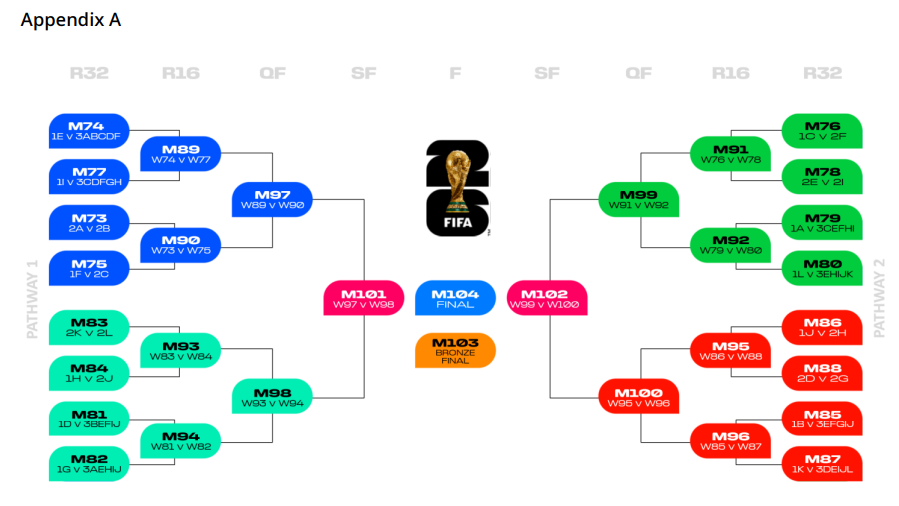
Understanding how teams progress in the World Cup is crucial for fans, analysts, and stakeholders alike. KQBD World Cup 2026 Group Stage Points System Explained offers insights into how teams earn their spots in the knockout rounds, making the tournament’s progression more transparent and engaging for everyone involved. If you want to grasp how this system influences team strategies and tournament outcomes, this guide will walk you through the nuts and bolts, comparisons with past formats, and practical advice on mastering the new system.
The Fundamentals of the World Cup 2026 Group Stage Points System Explained
Before diving into the nuances, it’s essential to understand the basic structure. The system dictates how teams collect points during the group stage and how these points influence their chances of advancing. In 2026, the tournament introduces some modifications that aim to make qualification more competitive and fair.
The group stage comprises 16 groups of 4 teams each, with the top two from each group advancing to the knockout phase. Teams earn points based on their performance in each match, which directly impacts their standing within groups. The key is understanding how points are allocated and the tiebreaker procedures used to determine rankings.
The World Cup 2026 Group Stage Points System Explained will clarify the precise distribution of points, how goal difference and other factors come into play, and what strategic implications this has for teams. It’s important to recognize that the system not only rewards victories but also incentivizes attacking play and goal-scoring efforts, especially with new tie-breaker rules.
Points Distribution and Match Result Implications
Each match outcome in the 2026 group stage is assigned a specific number of points. A win grants the victorious team 3 points, while a draw awards both teams 1 point each. Losses yield no points, compelling teams to play proactively to secure full points rather than settle for draws.
This points system emphasizes the importance of winning rather than just avoiding defeat, which could lead to more aggressive, entertaining matches. Teams with high points accumulated are naturally positioned for qualification, but the system also accounts for other factors when teams are tied on points.
The performance in these matches influences the overall dynamics in the group. For example, a team that wins one match by a large margin not only gains 3 points but might also benefit from a higher goal difference, which can serve as a crucial tiebreaker.
Strategic Importance of Goal Difference and Other Tiebreakers
When two or more teams finish with the same number of points, the system uses a series of tiebreakers to determine the final standings. The primary tiebreaker remains goal difference—the difference between goals scored and goals conceded.
In the World Cup 2026 Group Stage Points System Explained, goal difference becomes more significant because, in tight groups, it might decide who advances. Teams are encouraged to score more goals not just for victory but also for improving their goal difference, making matches more competitive and attacking.
If teams are still tied after goal difference, subsequent criteria include goals scored, head-to-head results, and, if necessary, fair play points and drawing of lots. This layered approach rewards offensive capabilities and disciplined play, urging teams to balance between attack and defense.
How the New Format and Rules Impact Team Strategies and Viewership
The 2026 edition not only tweaks points allocation but also brings changes to tournament format and scheduling. These modifications have wide-reaching effects on how teams approach their matches and how fans engage with the game.
Teams now realize that securing maximum points early can provide a buffer against underperformance in later matches. The introduction of additional tie-breakers like goal difference shifts strategic priorities, prompting teams to aim for wins with large margins rather than just scraping by with narrow victories or draws.
The format influences viewer engagement as well. Spectators see more goal-scoring attempts and intense matches, knowing that every goal counts toward impactful goal difference. This, in turn, elevates entertainment value and competitive excitement throughout the group stage.
Practical Examples and Impact on Team Tactics
Imagine two teams in a group stage tied after two matches, both with 4 points. One team won one game 4-0 and lost another 2-3, while the other won both 2-1. The first team’s goal difference would be +2, while the second’s would be +2 as well, but goals scored might differ.
In such cases, the World Cup 2026 Group Stage Points System Explained highlights that goal difference can decide the fate of a team. Teams might alter their tactics based on this, focusing on attacking to boost goal difference, recognizing that defensive play may no longer be enough to secure qualification under the new rules.
By understanding these nuances, teams can develop more nuanced game plans—aggressive for goal scoring, disciplined for minimizing conceding—tailoring their strategies to maximize their qualifying chances under the newly clarified points system.
Comparing the 2026 System with Past World Cups
History shows that the points system in previous tournaments largely centered around 3 points for a win, 1 for a draw, and 0 for a loss, with goal difference as the primary tiebreaker. The current system in 2026 builds on this foundation but with subtle improvements to ensure fairer and more competitive outcomes.
Legacy of Past Formats
Past editions often saw teams settle for draws, especially in tight groups, as they prioritized not losing over winning. The evolution toward emphasizing goal difference aims to counteract this reluctance, pushing teams toward dynamic, offensive soccer.
In earlier tournaments, draws could sometimes lead to very defensive strategies in the final group matches, as teams aimed to preserve their unbeaten records rather than pursue victory. Since the 2026 format emphasizes goal difference and other secondary criteria, teams are more likely to take risks, creating more thrilling matches for fans.
Key Differences and Similarities
The most noteworthy difference is the enhanced importance of goal difference and goal scored as tiebreakers in 2026. While previous World Cups focused mainly on points and goal difference, the new format promotes a more comprehensive set of criteria, influencing how teams approach each game.
For example, in 2018, two teams tied on points and goal difference, and the decision came down to goals scored or head-to-head. In the 2026 system, the emphasis on goal difference is stronger, making it a crucial strategic element from the outset.
| Aspect | Past World Cups | World Cup 2026 System |
| Points allocation | 3-1-0 | 3-1-0 (unchanged) |
| Primary tiebreaker | Goal difference | Goal difference |
| Secondary tiebreakers | Goals scored | Goals scored, head-to-head, fair play |
| Advancement criteria | Top 2 teams | Top 2 teams with better points and tiebreakers |
Personal Analysis and Expectations
The shift toward greater reliance on goal difference is likely to encourage more attacking play, making matches more entertaining. It also rewards consistency, as a team cannot afford to have a poor defensive record or settle for narrow victories.
In comparing past and present formats, the 2026 system aims for fairness and excitement. Teams will need to strategize with an eye on comprehensive goal metrics, which could lead to higher scoring matches and more drama in the group stage.
Expert Tips for Navigating the World Cup 2026 Group Stage Points System Explained
For fans, coaches, and analysts, understanding the nuances of the points system is vital. This knowledge can inform predictions, tactical decisions, and viewing strategies.
Strategic Advice for Teams
Teams should prioritize winning matches comfortably whenever possible to maximize goal difference, especially in the early stages. Defensive solidity remains crucial, but an emphasis on attacking efficiency can give a competitive edge—particularly when goal difference is a prominent tiebreaker.
Additionally, squad rotation and player management should factor into tactics, conserving energy for high-stakes matches where goal difference and goals scored could determine group positioning. Monitoring rivals’ standings and goal tallies can also inform in-game strategy.
Insights for Fans and Viewers
Fans should pay close attention to goal difference and scoring patterns—their impact on qualification scenarios is more significant than ever. Following live standings and understanding tiebreaker priorities enhances viewing experience and builds excitement.
Fans can also leverage this knowledge to make more informed predictions and enjoy the tournament’s suspense to its fullest, knowing that a team’s overall goal-scoring effort and defensive resilience are at the heart of qualification outcomes.
Final Words
The World Cup 2026 Group Stage Points System Explained lays the groundwork for a more strategic, offensive, and thrilling tournament. By understanding how points are awarded, how tiebreakers work, and the broader strategic implications, all stakeholders can appreciate the rich complexity behind this global spectacle. These changes promise more dynamic matches and fairer opportunities for teams to shine, delivering an unforgettable World Cup experience.
Conclusion
The Cách Tính Điểm Vòng Bảng World Cup 2026 Group Stage Points System Explained reveals a thoughtfully designed framework that promotes attacking football and fairness. With its emphasis on goal difference, goals scored, and layered tiebreakers, the system not only shapes team strategies but also enhances viewer engagement and excitement. As teams adapt to this new landscape, fans can expect an even more competitive and entertaining tournament, where every goal counts and every point matters in the race for glory.
